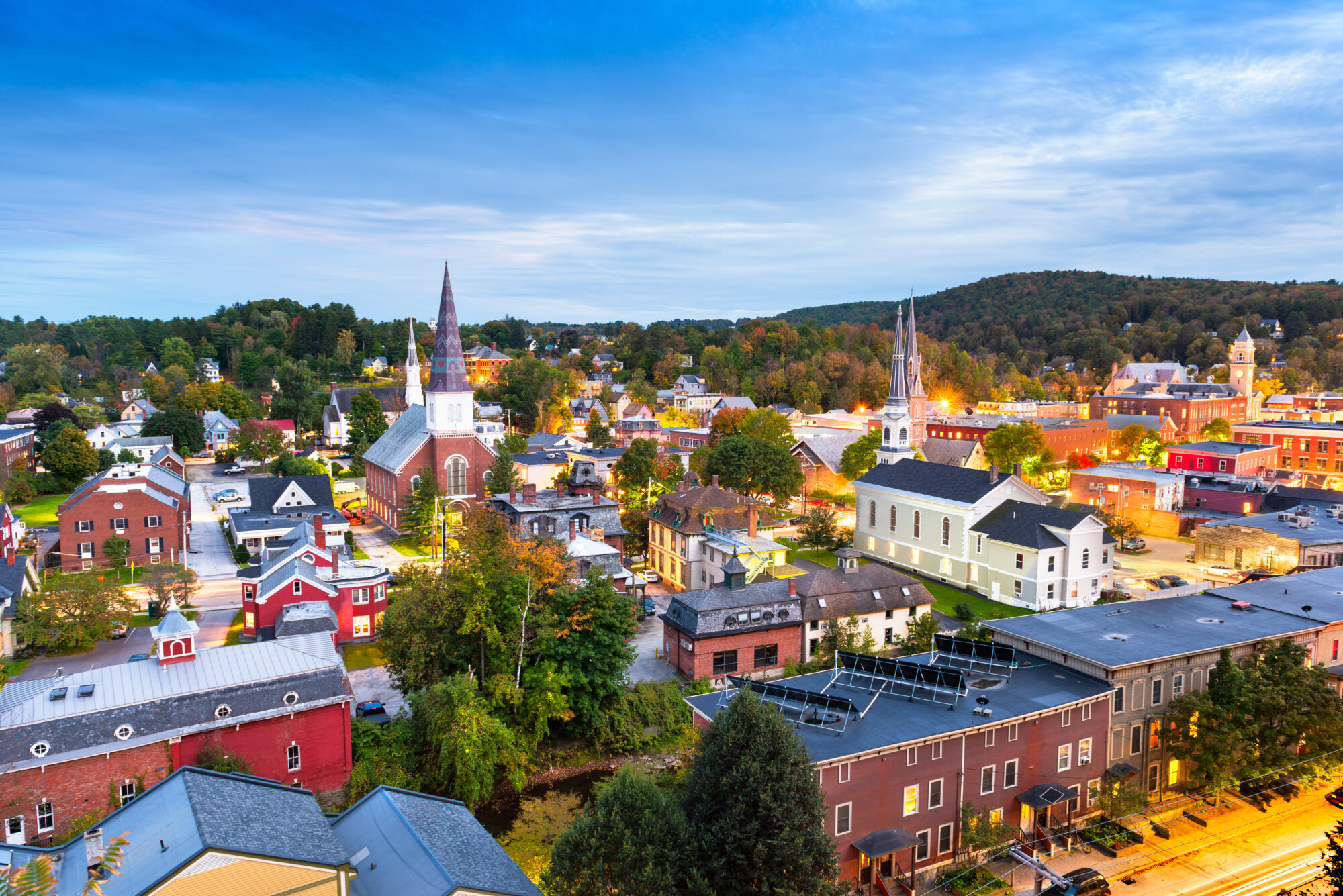
That same willingness to keep showing up has carried into how Montpelier handles climate risk. The city’s downtown flooded in July 2023, an event Gil still describes as traumatic, and it flooded again the following year. What was once considered a 100-year flood risk is now, in Gil’s view, becoming a recurring one. In response, the city is working to maintain the rivers running through downtown, divert floodwater away from the business district, and help already-rebuilt businesses flood-proof their properties, treating housing, economic stability, and flood resilience as connected problems rather than separate initiatives.
Ord, Nebraska
Ord, a community of over 2,000 people, is in the midst of a comeback, a story that began in a darker place. In the 1980s, a farm crisis gutted the town’s downtown, wiping out the lumberyard, hardware stores, bakery, and grocery stores that had anchored the community for generations.
Rather than wait for outside investment, Ord voters approved a 1% local sales tax dedicated specifically to economic development. That tax has since funded 38 business loans. Not one big swing, but a steady, deliberate reinvestment strategy.
The results show. Ord’s downtown is now almost fully occupied, and unemployment sits under 3 percent. Over the past decade, 105 new businesses have opened in the town. Ord has also been recognized as one of only 40 Nebraska municipalities designated an Economic Development Certified community.
Caleb Pollard, who works with Valley County Economic Development, has driven much of that momentum, including the restoration of Ord’s Old City Hall and Masonic Lodge. He’s also the founder of Scratchtown Brewing Co., a business that came directly out of the same economic development work he oversees.
Pollard recently told Nebraska Public Radio, “What I like to start with is usually defining us by our limitations, because I think that actually creates a positive environment for us to focus on what we can control and what we can do. We’re at the terminal end of a rail spur. We’re 75 miles from the interstate. We have no major airports or highways that come through the area, so to that degree, we’re a bit isolated and remote from more urban communities. And so that’s created an environment where we’ve had to rely on each other to grow.”
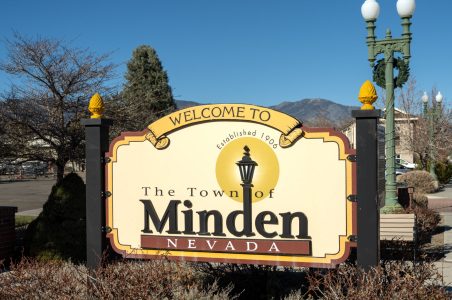
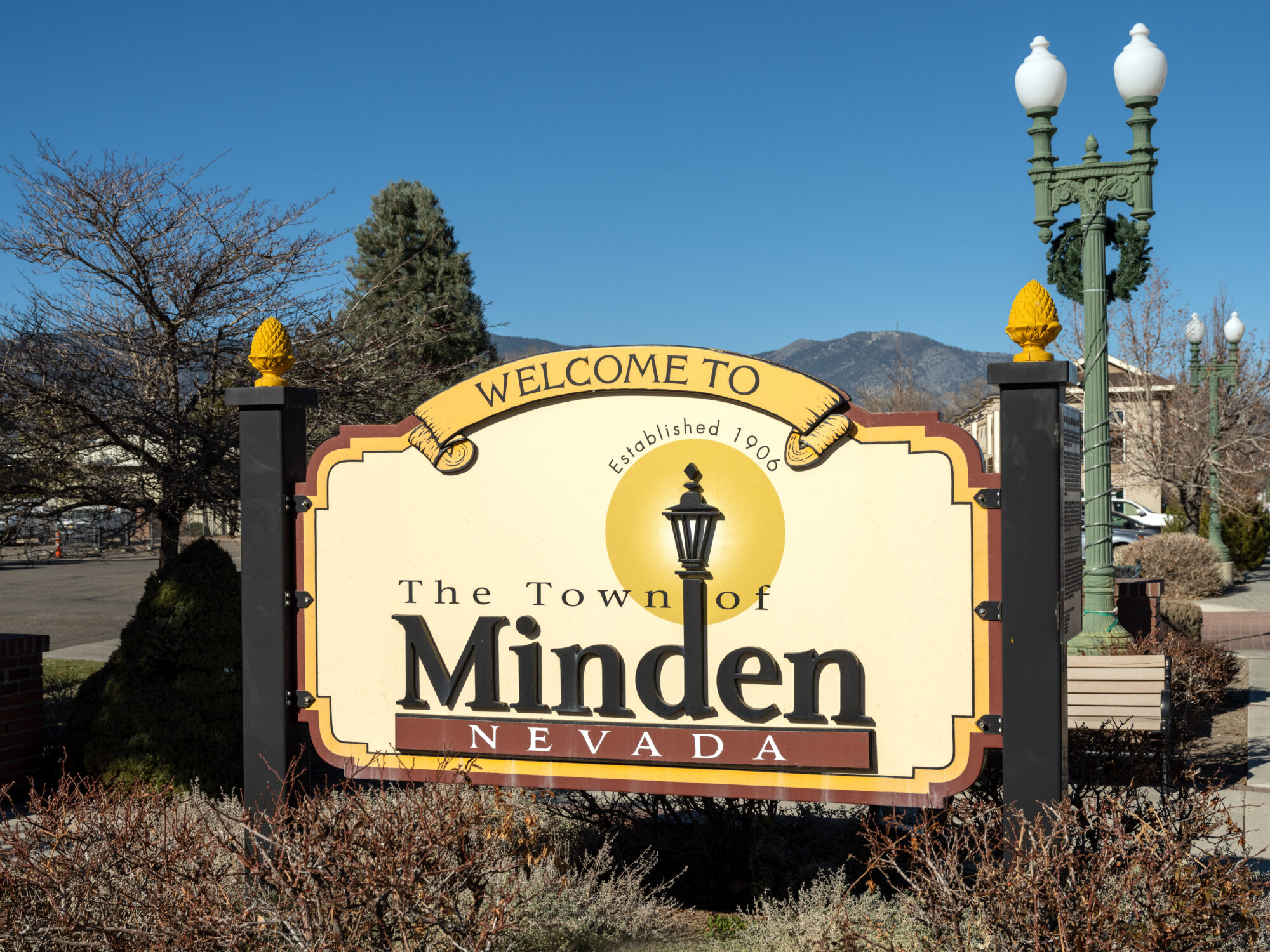
Minden, Nevada
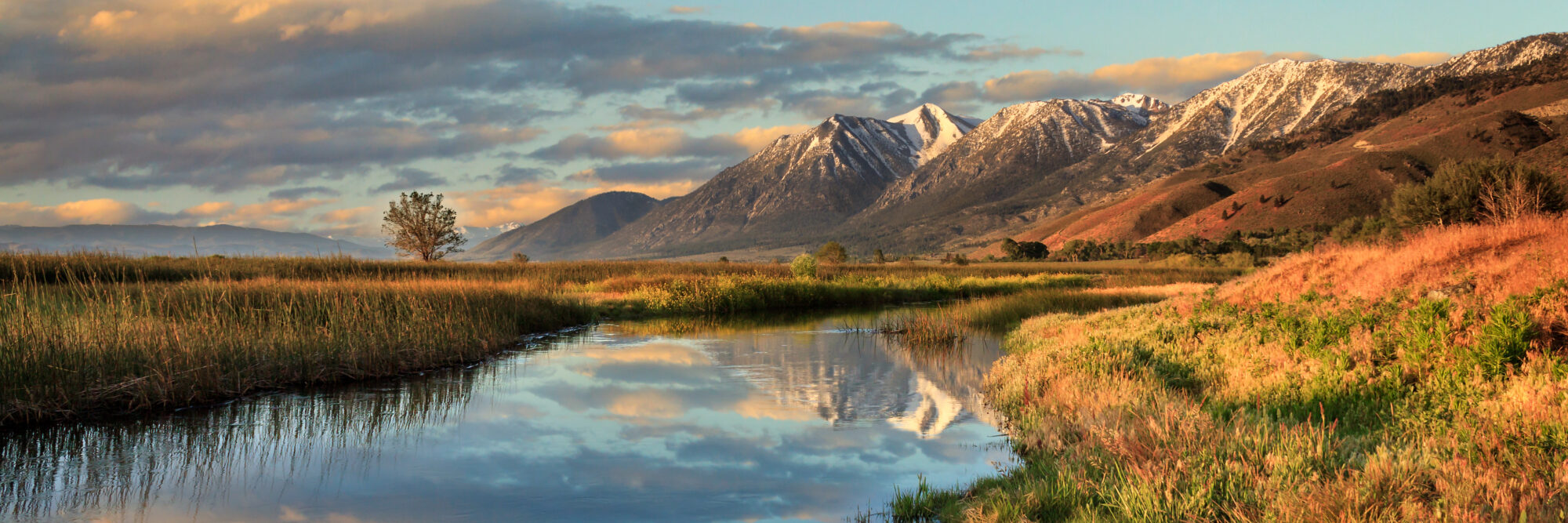
Minden is a town of about 3,000 people in the Carson Valley, close enough to Lake Tahoe to benefit from a built-in tourism economy. Rather than relying on that geography alone, the town has deliberately invested in its cultural identity.
The Carson Valley Arts Council spent years working toward a permanent home, eventually purchasing the historic Copeland Lumber building in Minden. That space is now the Copeland Community Arts Center, funded in part through T-Mobile’s Hometown Grant program, and it supports youth arts education, concerts, and festivals throughout the valley.
Keith Lewis, Executive Director of the Carson Valley Visitors Authority, spends his time connecting travelers to the towns that make up the region, including Gardnerville, Genoa, Minden, and Topaz Lake. That work recently earned him recognition as a rising star at Nevada’s Rural Roundup tourism awards. Lewis points to the region’s public art investment as one way the valley sets itself apart. “We’re putting a lot of money into public art,” he said, pointing to a new trail that will include 27 four-foot-high railroad spikes placed at historic sites across Genoa, Minden, and Carson City. “The railroad was one of the common things… it was kind of what brought all these communities together in the past.”
The Carson Valley Arts Council has framed the arts center the same way: a long-term community investment, not a short-term amenity. For a town this size, it works two ways at once: locals get a real arts space, and tourists passing through on their way to Tahoe have an actual reason to stop and stick around.
Lewis sees that consistency as the point, not just for tourism marketing but for how the valley approaches growth generally. “I think stay true to who you are,” he said. “We’ve had a campaign that has run for eight years… Don’t change just to change. Always be true to who you are and never forget your community.”