By
Image Credit: AdobeStock
Is it hot, or is it just us? Make no mistake: Everyone is feeling the heat. The 12 months from April 2025 to March 2026 were the warmest on record for the continental United States, according to the national scientists tasked with keeping track. During that time, over 19,800 daily and 2,000 monthly temperature records were shattered.
What’s more, 2026 witnessed the hottest March ever, and April didn’t chill out, either. A long-lasting heat wave brought temperatures in the 90s throughout the Northeast.
In the face of rising mercury, some municipalities aren’t resigning in defeat to Mother Nature. Instead, they are putting in the effort to redesign their urban and suburban areas to address and even counter the rising temperatures.
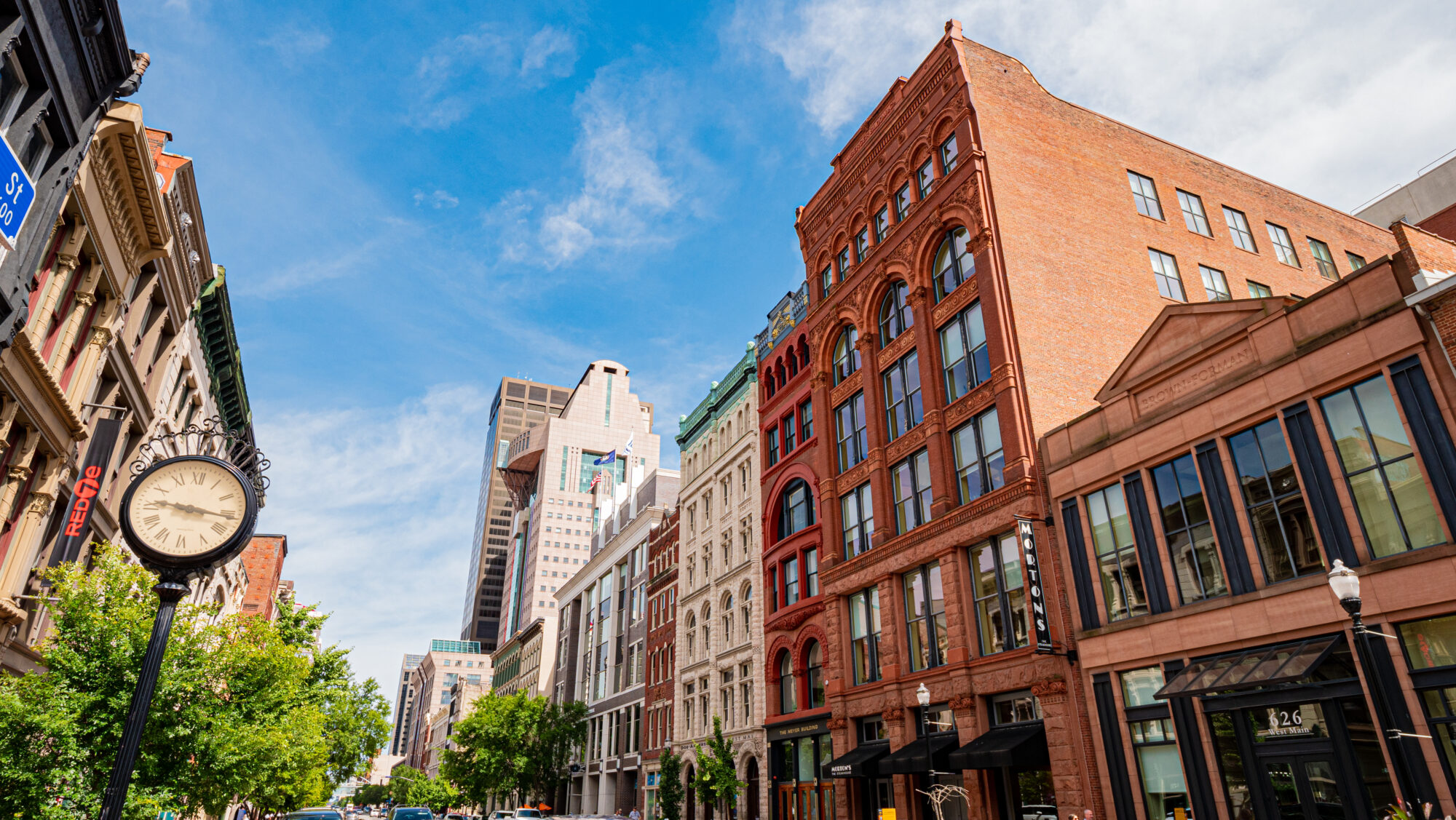
“We can’t change the fact that the weather is more extreme. It’s getting hotter,” said Jacob Medley, the Director of the Office of Sustainability with the city of Louisville, Kentucky. “We’re just trying to mitigate the impacts.”
A recent study uncovered that nearly 210 million Americans, or around two-thirds of the nation’s population, live in counties that are especially vulnerable to health threats due to unexpectedly high temperatures. The nation’s traditionally hottest cities are leading the way toward climate resilience.
This work is far from straightforward. With the complex causes and impacts of global climate change, elected officials and engineers must get creative and innovative as they consider which programs could work best in their communities.
From planting more trees to providing financial incentives for state-of-the-art cooling roofs for homes and businesses, the ideas need to be practical, economically feasible, and focused on making a long-term difference.
When it comes to building any case for governmental focus, scientific studies can make a big difference. For Louisville, the catalyst for its extensive heat management work was a 2012 study by Georgia Institute of Technology that unveiled it as the most rapidly growing urban heat island in the United States.
The term “heat island” refers to highly developed areas where buildings, roads, and other infrastructure are concentrated, and greenery is limited. These structures absorb and re-emit the sun’s heat, and the lack of natural landscape limits the area’s ability to cool the air and offer shade.
“The problem was that we didn’t know the problem until we mapped it out,” Mr. Medley said. “That revealed large disparities. In the city center, green areas stopped, and you just had concrete.”
The hottest areas of the city were also those with economically struggling communities that had been historically ignored. These residents tended to have more medical problems, which were made worse by the heat.
Heat is the leading weather-related killer in the United States, impacting infants, young children, pregnant women, those with chronic medical conditions, and older adults the worst.
In Louisville, the study’s findings helped build the public awareness and political will needed to advance efforts in enhanced climate resilience. In 2017, the city commissioned additional studies to establish a baseline and brainstorm ways to address the heat.

While nonprofits like TreesLouisville and Louisville Grows focused on planting trees throughout the city, the government focused on a less traditional approach. They started a Cool Roof program, which offers rebate checks to residents who replace their asphalt shingles with light-colored, reflective ones.
“The regular market shingle is less expensive than the Cool Roof shingle. But with our rebate, it makes up for that cost differential, and sometimes it’s less expensive,” Mr. Medley said. “And they’ll be offsetting their (energy) bills up to 15 percent in the summer months.”
The $100,000 for the program comes out of Louisville’s general operating budget each year, and the key to its success is its streamlined process. Residents, with the help of their contractor, fill out a simple three-page form. Within a week, the finance department cuts the check for the new roof owner.
To date, they’ve added 1.4 million square feet of reflective rooftops to targeted areas of the city.
Louisville isn’t alone in this climate resilience effort. In Miami, another notoriously hot area of the nation, city officials are planning to increase the tree canopy to create more shade. But that’s not all.
They’ve created a program to provide immediate relief to residents. As part of the city’s Extreme Heat Plan, they’ve added Cooling Centers in communities with larger populations of people with health vulnerabilities. These air-conditioned facilities, open for residents to stay cool on excessively hot days, include community centers and libraries.
These centers offer “cooling kits” that include ice packs, electrolytes, water bottles, paper fans, and a cooling towel. They’re available to residents during the city’s “extreme heat season,” from May 1 to Oct. 31.
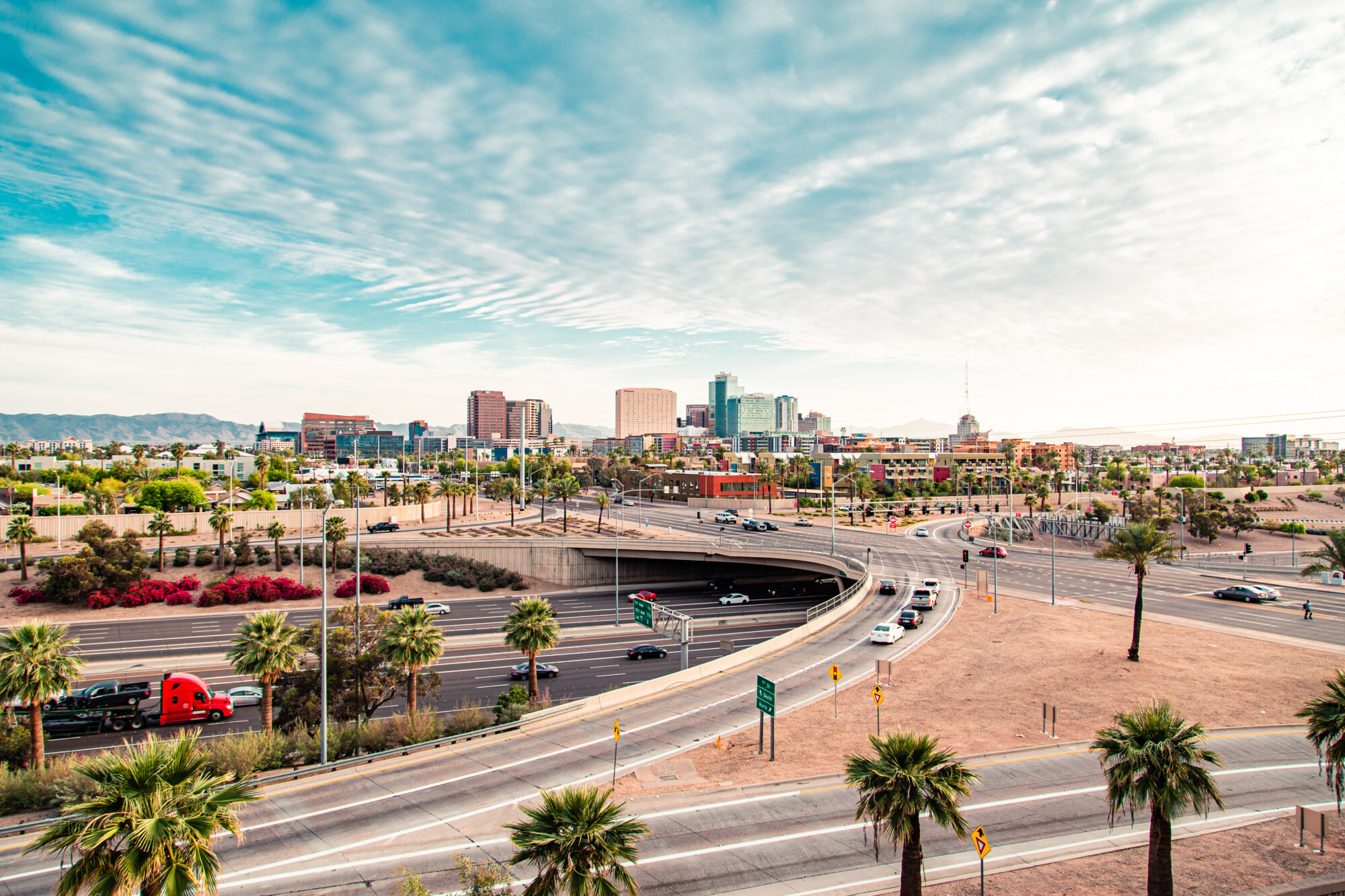
Another hot spot in the nation, Phoenix, also plans to plant thousands of native and drought-resistant trees and construct hundreds of new sidewalk shade structures over the next five years. It’s all funded by a $10 million grant from the U.S. Department of Agriculture’s Forest Service, $4 million from the American Rescue Plan Act, and another $7.7 million from a heat resilience fund approved by voters in 2023.
They plan to create 100 “Cool Corridors,” with shade structures and drinking water stations, as comfortable pedestrian pathways. This $1.4 million project includes planting 1,800 new trees citywide.
The city of San Antonio, too, has a “Heat Resilience Playbook” that instructs residents on how to stay safe during extremely hot days. Communication is important because the city has reported 2,400 heat-related illnesses since 2022.
In addition to funding the planting of 11,000 new trees in the city, San Antonio also added 28 miles of reflective pavement. The city also runs the same Cool Roof program as Louisville, with almost 700 homes with the innovative roofing material since 2022.
Image Credit: AdobeStock
Part of engineering for a cooler future includes efforts to reduce manmade pollution that contributes to climate change. Louisville has a moonshot goal of achieving a net-zero carbon impact for the community by 2040.
One way to accomplish this goal is through a program called Solarize. The city has negotiated with solar panel installers to provide upfront discount incentives for homeowners who agree to install panels on their roofs.
“Solar is a lot like buying a car in terms of price, except that with a car, you’re buying something that depreciates. With solar, you’ll see that money back,” Mr. Medley explained.
For new homes and commercial developments,the city is offering a program called PACE, which stands for Property Assessed Clean Energy. This is a financing mechanism that allows property owners to pay for projects that support energy-efficiency initiatives by structuring the debt into the property tax bill. They can pay off the work over 20 or 30 years.
So far, the city has completed 12 PACE deals totaling $48 million worth of improvements, Mr. Medley said.
While the PACE program has required him to work with the local banks to become comfortable with the concept, he said, overall, he doesn’t receive too much public pushback with his work. For those in his community who don’t believe in climate change, Mr. Medley said he simply shares the long-term savings that come with programs like his Cool Roof initiative.
“I believe, and the mayor believes, that this work is important and we should be doing it,” he said. “Everyone wants to save money.”
Mr. Medley added that all communities — not just those with identified heat islands — need to consider climate resilience projects. He invited elected officials and city leaders to reach out to him to discuss any of Louisville’s heat management projects.
“If you haven’t started, just do something. Anything,” he said. “I follow the science, and I understand that CO2 going into the atmosphere is not good. That’s made things hotter and created more volatile weather conditions. You can see it.