Behind every well-lit block and repaired sidewalk is a city that made a deliberate choice. Across the country, municipal leaders are prioritizing the infrastructure residents use every day, and the results are showing up in crime statistics, voter approval ratings, and the simple fact that families feel safe on their walk to school.
Walking Infrastructure That Works for Everyone
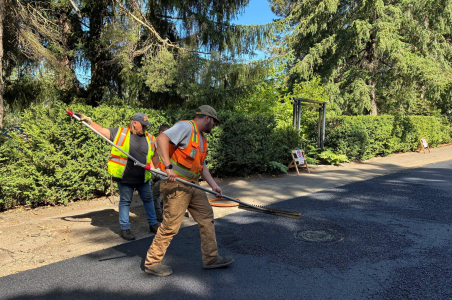
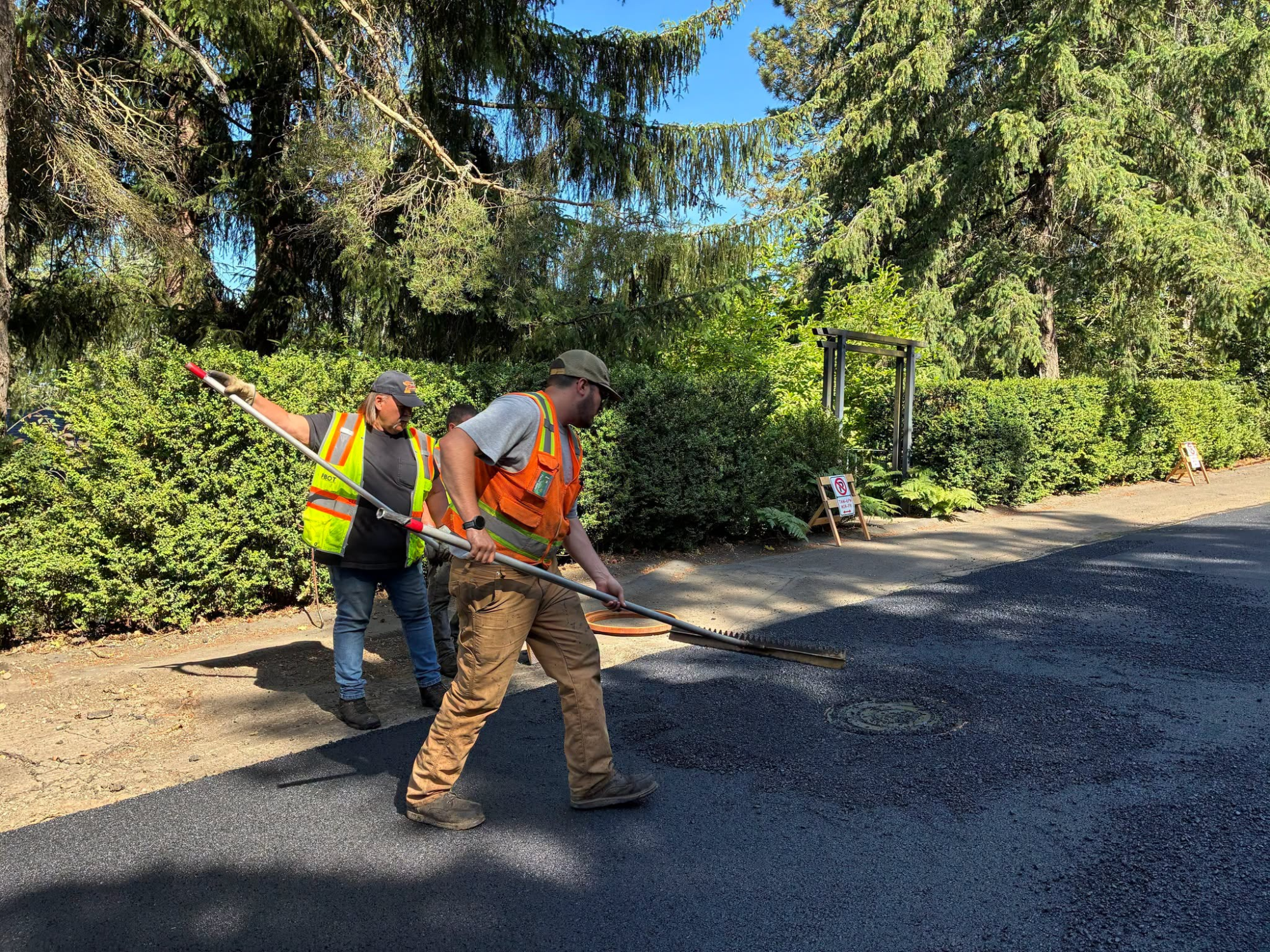
Fixing the sidewalk sounds simple enough, yet sidewalk repair and pedestrian safety improvements are among the most consistently underfunded items in city budgets across the United States.
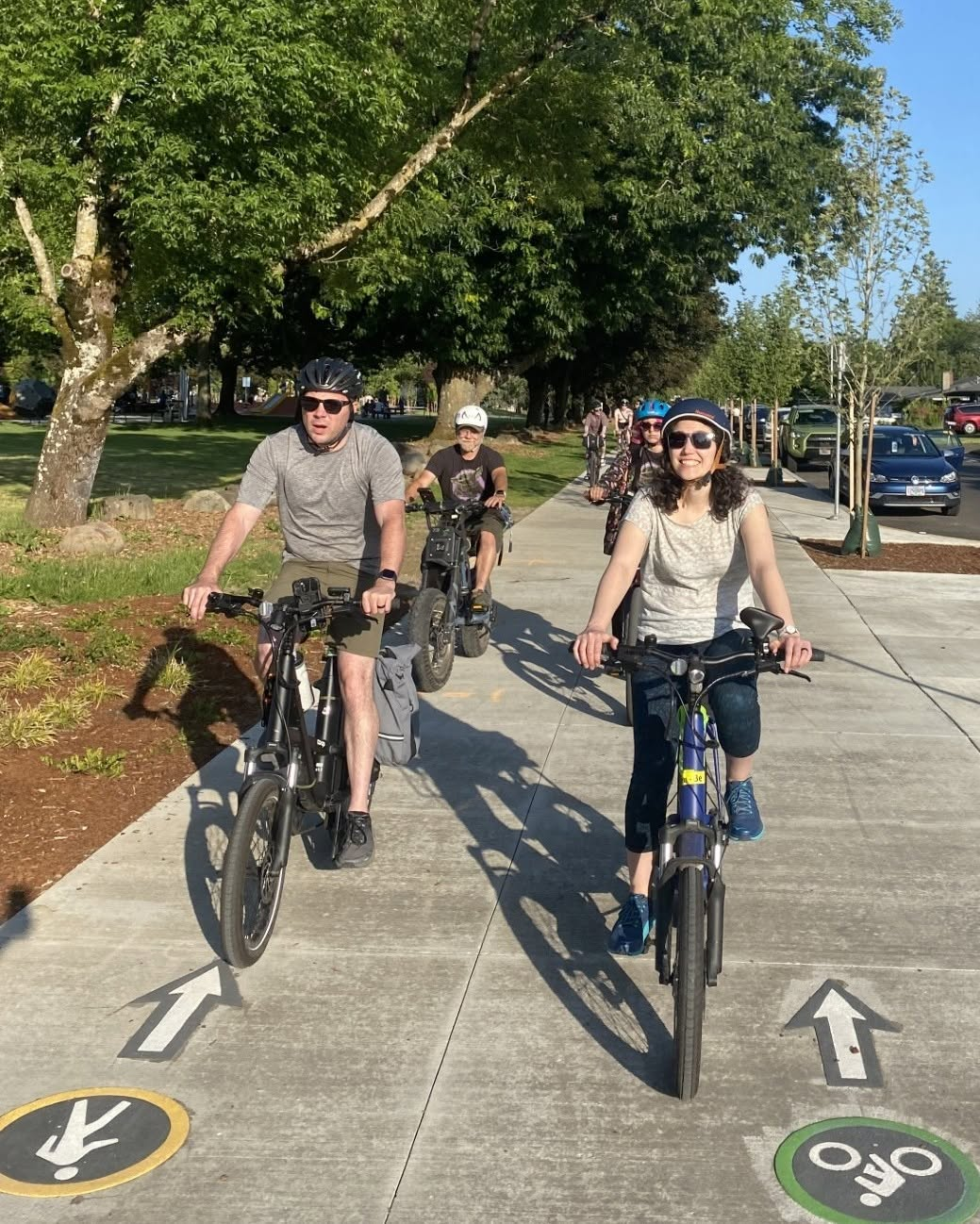
Portland, Oregon, chose a different approach and built a funding model to support it. In 2016, voters approved a 10-cent gas tax, establishing the city’s first dedicated local funding source for transportation safety. “Fixing Our Streets has a history of strong support from Portland voters — in 2016, voters created the program with 53% voting in support, and in 2020, voters approved it with 77% approval,” says Dylan Rivera, public information officer and spokesperson for the City of Portland Bureau of Transportation.
The program targets the exact types of infrastructure that tend to be deferred: new crossings, sidewalk gaps, lighting, and Safe Routes to School improvements. “The Fixing Our Streets program has provided critical investment in our longstanding Safe Routes to School program,” Mr. Rivera explains.
The city worked directly with school communities to identify the highest-priority routes, holding open houses across Portland school districts and surveying families in multiple languages to determine where kids faced the greatest barriers to getting to school safely. As of September 2025, Portland has completed more than 350 projects under the program.
What makes the model work is that it’s a steady, voter-backed stream directed toward the small fixes that add up. For seniors, people with disabilities, parents pushing strollers, and children walking to school, these are the differences between being able to get around and not being able to.
Streetlighting: A Small Investment With a Big Safety Payoff
In Philadelphia, better streetlights proved to be a powerful public safety strategy, and the data backed it up. A University of Pennsylvania study of Philadelphia’s LED streetlight upgrade found a 15% drop in outdoor nighttime crime, consistent with decades of U.S. and U.K. research showing that improved lighting reduces crime by an average of 20-21%.
“To actually see the data that there was a 21% reduction in outdoor nighttime gun crime — above and beyond just some of the positive trends in crime reduction — was incredible to learn,” said Katie Bartolotta, vice president of Policy and Strategic Partnerships at the Philadelphia Energy Authority. What made those findings especially valuable was their timing. “It’s not just a study of the project itself; it’s a contemporaneous study,” she said. “So, we could learn in real time, as we were still installing, where the fixtures were having an impact and to what extent.”
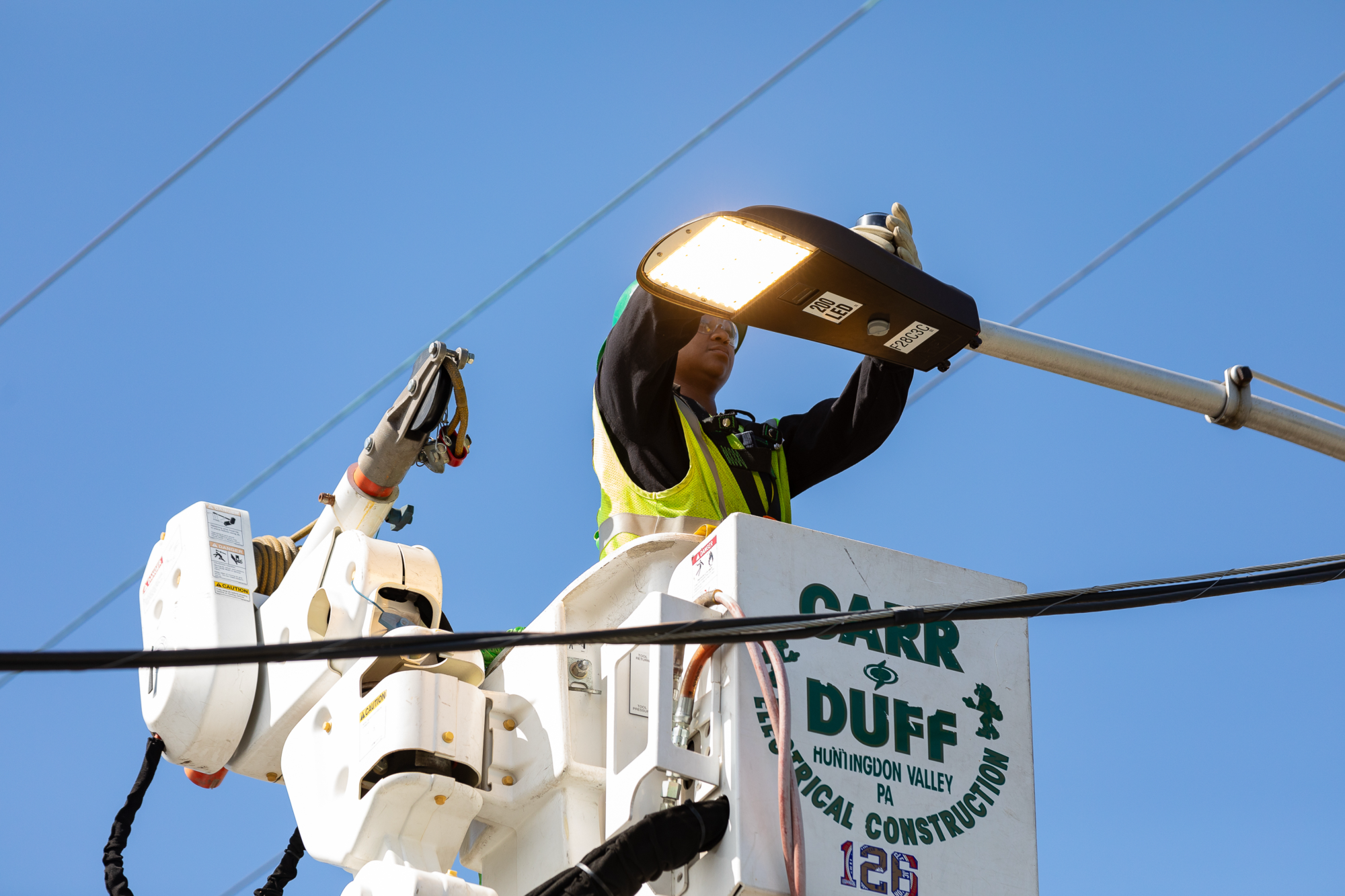
The Philly Streetlight Improvement Project (PSIP) replaced about 130,000 outdated high-pressure sodium streetlights with modern LEDs over two years, a $91 million effort funded by a sustainability bond, concluded in late fall 2025. The upgrade is projected to reduce energy consumption by more than 50%, cut municipal carbon emissions by 10 %, and eventually pay for itself through energy savings.
The project also created 200 jobs, hiring residents through the city’s Future Track program to prepare alleyways for the new fixtures. What’s more, Future Track completers were brought into permanent city employment, turning a two-year lighting overhaul into a lasting job pipeline.
Getting there required a different approach to capital planning. At 2,000 fixtures a year, the Streets Department’s prior pace would have taken decades. “Just go big,” Ms. Bartolotta advises other cities. “Together with the Philadelphia Energy Authority, the Streets Department was able to transform the entire city in a short period of time.”
The returns went beyond safety and energy. “When you look at some of the qualitative studies that UPenn did with focus groups, they’ve said, ‘This shows that the city cares,’” Ms. Bartolotta said. “It really does hit on all of these different quality of life factors; it’s an infrastructure investment that’s going to pay dividends for generations.”
For city leaders, LED streetlighting is proof that a modest infrastructure investment can deliver an outsized public safety return.