Which Cities Have Seen Teen Takeovers in 2026?
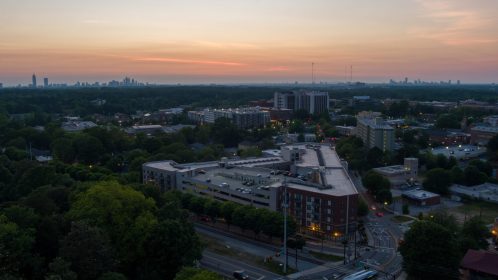
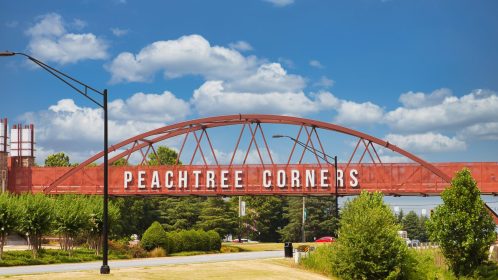
February–March: Atlanta’s Beltline saw 13 arrests and 10 firearms recovered. At Milwaukee’s Bayshore Mall, teens overwhelmed police despite advance warning, resulting in 13 arrests. Washington, D.C.’s Navy Yard was flooded by hundreds of teens despite a new curfew zone, and Minneapolis/St. Paul saw three consecutive nights of takeovers at a suburban park.
April–May: Detroit’s downtown was overrun on April 3, disrupting Tigers Opening Day. A gun was fired during a second downtown takeover on April 11, one day after the mayor held a press conference with teen organizers. More than 1,000 teenagers gathered at Orlando’s ICON Park on April 25, resulting in nine arrests and two injured deputies. Tampa’s Curtis Hixon Park saw 22 arrests on May 8. Chicago’s Memorial Day weekend produced 53 arrests on a South Side beach, and five officers were struck by a car on the West Side.
Teen Takeover Property Damage: What Cities Are Paying
According to national news reports, property damage and lost revenue have been recurring consequences of teen takeovers.
In Chicago’s Hyde Park neighborhood, a March 30 takeover left roughly 30 vehicles damaged — footprints stamped into hoods, broken windshields, dents throughout. A separate incident in the same neighborhood left at least one resident with $3,000 in repair costs.
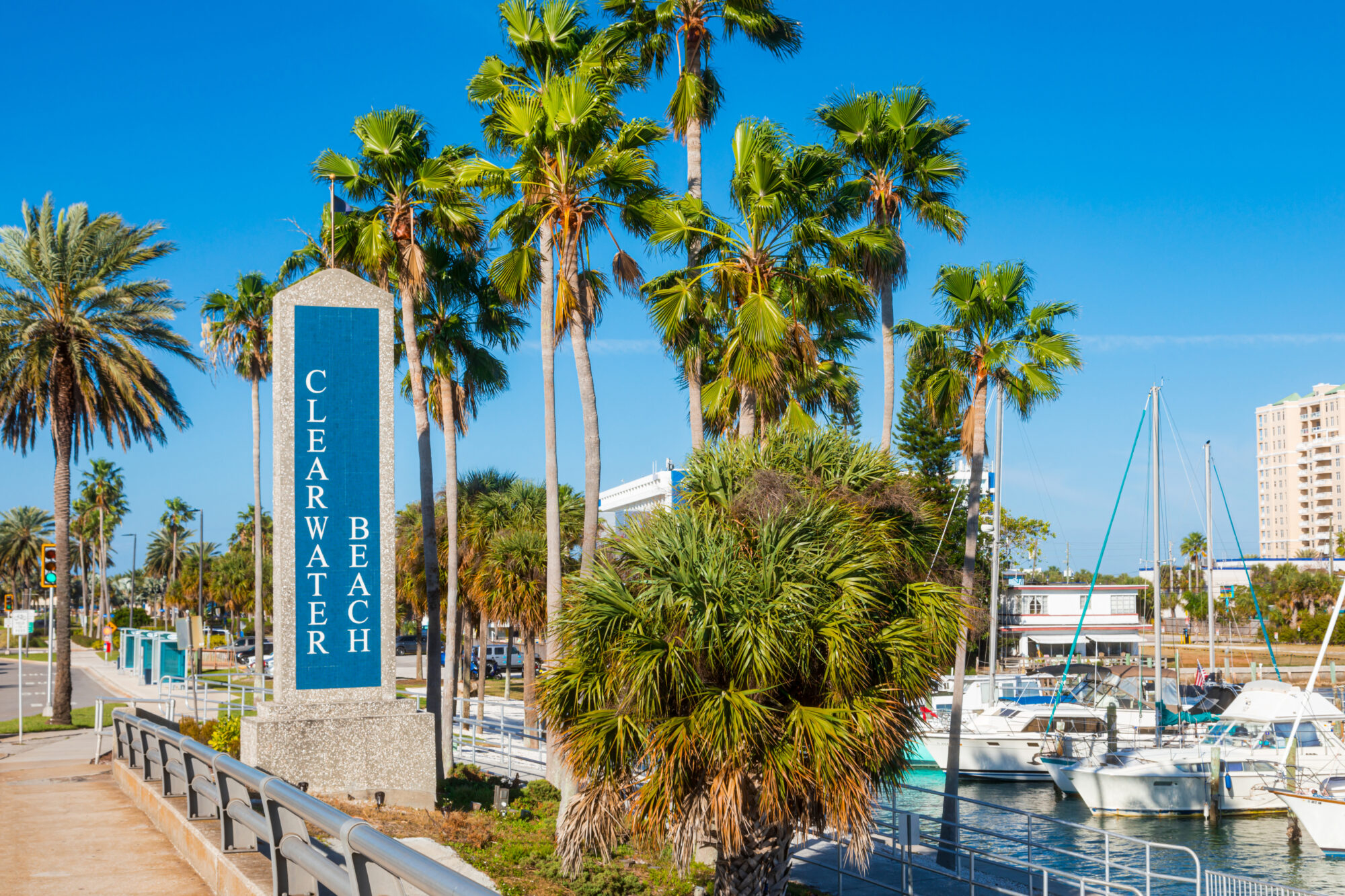
In Clearwater Beach, Florida, the May 31 takeover, the same event that left a 17-year-old shot, forced businesses to close early. Jeff Haws, owner of Hogg Daddy’s Beach Bar and Grill, put a figure on it: “We did about $10,000 less in sales than what we normally do.”
How Are Cities Responding to Teen Takeovers?
Some cities have stopped treating teen takeovers purely as a law enforcement problem.
Detroit: When downtown was disrupted on April 3, Mayor Mary Sheffield invited the teen organizers to City Hall. Sixteen-year-old Danasha’ Tidwell, who created the original flyer, said the conversation focused on “more events for teens our age and younger, just more stuff for teens to do in Detroit.” Sheffield responded by launching a Youth Advisory Board, extending recreation center hours, offering free student bus rides, and standing up a new Office of Youth Affairs. “Our young people want to be invested in,” she said. “They want structure and things to do. They want to be heard.”
Orlando: Following the ICON Park incident, the venue implemented a chaperone policy requiring guests 17 and younger to be accompanied by an adult 21 or older, which can be activated at any time without advance notice.
Tampa: Following 22 arrests at Curtis Hixon Park on May 8, the Tampa Police Department partnered with former WWE star and Tampa resident Titus O’Neil to host “Takeover with a Purpose”, a free community gathering designed to give teens a sanctioned alternative as the department shifted its focus toward prevention.
Detroit City Councilmember Scott Benson framed the challenge directly:
“The social media phenomenon known as ‘teen takeovers’ is causing both disruption and damage in many communities, including Detroit. I am a firm believer in accountability for lawbreakers. However, this is a unique situation in which I do not want to permanently scar the records of young people for what could be a youthful indiscretion or a terrible exercise of judgment. In Detroit, we can hold teens accountable by enforcing the law and prioritizing our specialty courts, where we can offer treatment options, wraparound services, and mental health support as needed. If the specialty court program is completed, participants can exit the court without a permanent record.”
How Can Communities Prevent Teen Takeovers?
Sending letters to promoters when events appear online is a start, but it’s reactive. The communities getting ahead of this are building infrastructure that makes the takeover less appealing in the first place.
Monitor social media proactively. AI-generated flyers circulate days in advance. St. Augustine Beach Police Chief Daniel Carswell credited a regional real-time intelligence center with giving his department time to act and get ahead of the story on social media. “They search the internet, they’re searching constantly for threats to our community,” he said. Cities that communicated consequences early successfully deterred gatherings before they formed.
Engage youth before enforcement. Teens organizing these events often have legitimate grievances about access to public space. Co-designed programming and youth advisory boards produce more durable outcomes than curfews alone. As Kristin Henning, director of the Juvenile Justice Clinic & Initiative at Georgetown Law Center, told NPR: “The more successful strategy is creating positive spaces for young people to hang out.”
Coordinate across agencies. Effective responses involved parks departments, recreation operators, law enforcement, and school districts working from shared intelligence. Siloed responses leave gaps that organizers exploit. Washington, D.C.’s Department of Parks and Recreation has run “Late Night Hype,” structured late-night programming for teens 13–18, since 2021, predating the current wave of takeovers.
At the federal level, Rep. LaMonica McIver (NJ-10) introduced the RESTORE Third Spaces Act in May 2026, a $200 million pilot grant program, pointing out that “many communities do not have safe, affordable, and welcoming places for youth to gather, socialize, and build connections.”