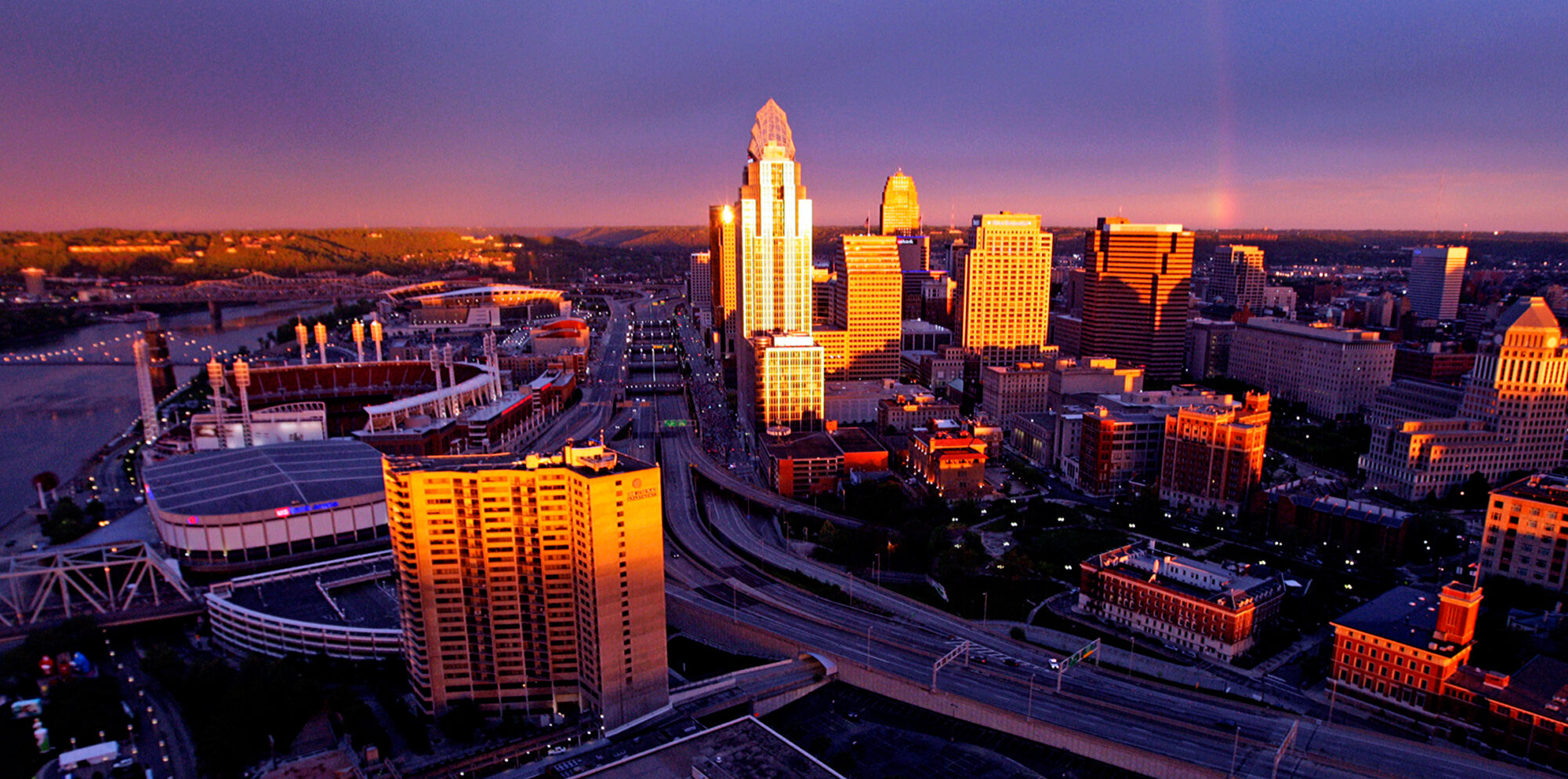
One of the most telling signs of how far Cincinnati has come in the past two decades is how close it came to landing one of the country’s signature events. The Queen City finished in the top three to host the Sundance Film Festival, falling just short to longtime host Park City and Boulder, Colorado, where the fest is headed in 2027.
Julie Kirkpatrick, interim president and CEO of Visit Cincy, says the festival’s search put a spotlight on Cincinnati’s renaissance without the challenges that come with 85,000 out-of-town guests taking over the town.
“I don’t think we lost,” says Kirkpatrick. “We got everything we needed out of it.”
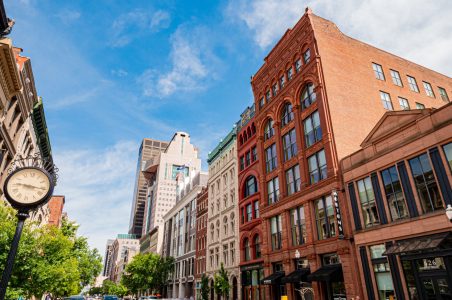
Cincinnati is officially divided into 52 distinct neighborhoods, but there’s one capturing accolades and the imagination of urban planners everywhere. Over-the-Rhine is one of the country’s great comeback stories and, to borrow a famous film phrase, the stuff dreams are made of.
Out of the Ashes
At the turn of the century, you’d have to be dreaming to think the historic German enclave would be the catalyst for Cincinnati’s revival. Back in the early 2000s, headlines there focused on the fatal shooting of a Black teenager by a police officer, an incident that sparked riots.
In the aftermath of the civil unrest, national corporations based in Cincinnati didn’t turn their back on the city. Rather, Procter & Gamble, Kroger, and others drew a proverbial line in the ashes. It was time to rebuild.
In 2003, The Cincinnati Center City Development Corporation (3CDC), a tax-exempt, private, nonprofit corporation, was created to not only spur new business but also manage the growth of a downtown business and entertainment district in Over-the-Rhine.
Although it works closely with the city government, 3CDC is not a formal public-private partnership. The City of Cincinnati is, for lack of a better term, the organization’s “biggest client,” according to Katie Westbrook, senior vice president of development at 3CDC. In 2004, the organization accepted the daily, operating responsibilities for two private investment funds, the Cincinnati New Markets Fund (CNMF) and the Cincinnati Equity Fund (CEF), which were designated for distressed and struggling neighborhoods.
The relationship allows for quick pivots, careful planning, and a series of successes building upon each other. “One of the unique things about 3CDC is that we’ve created a lot of solutions for problems that happen in the urban core,” says Christy Samad, 3CDC’s executive vice president of civic and commercial space activation.
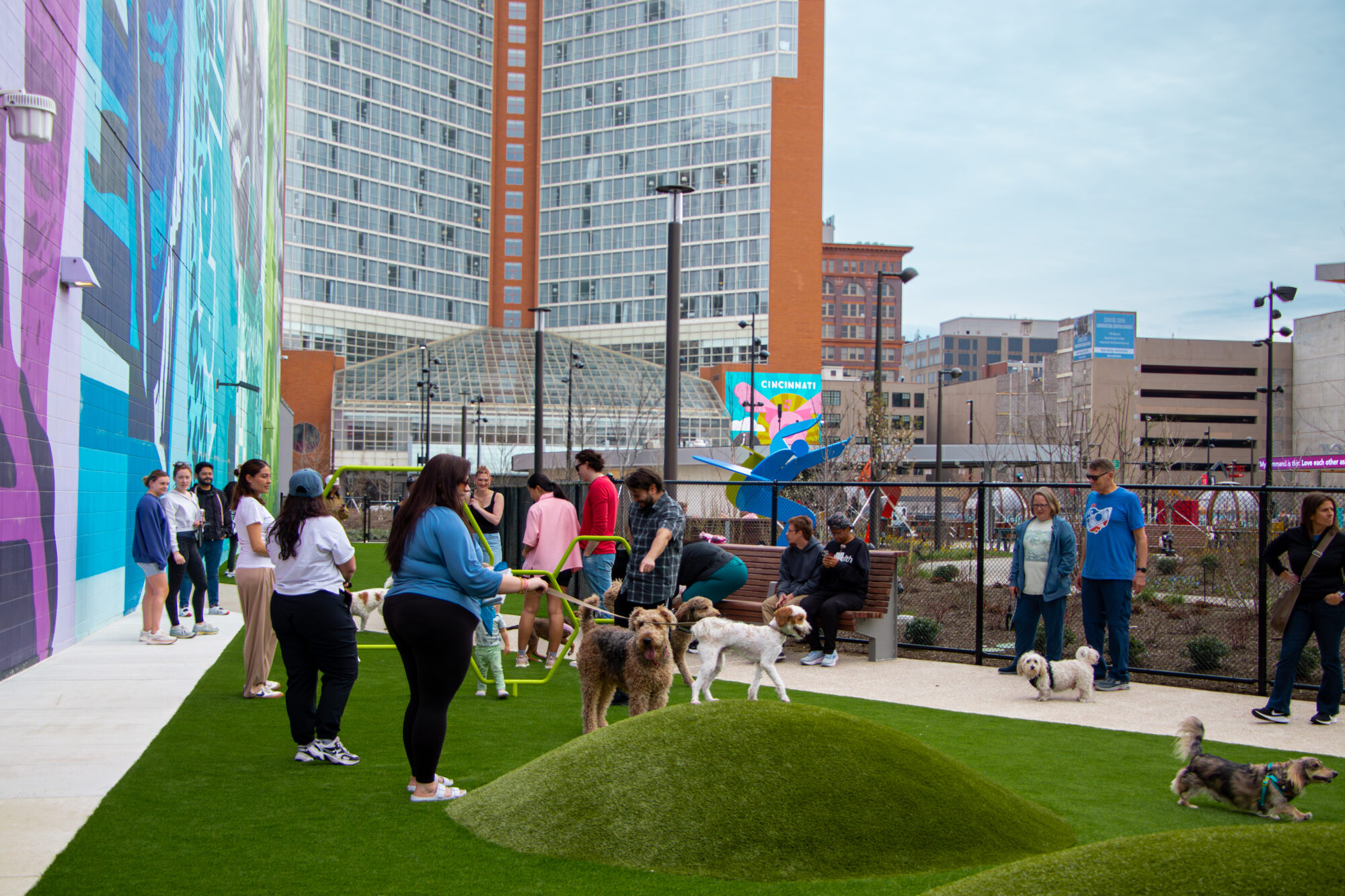
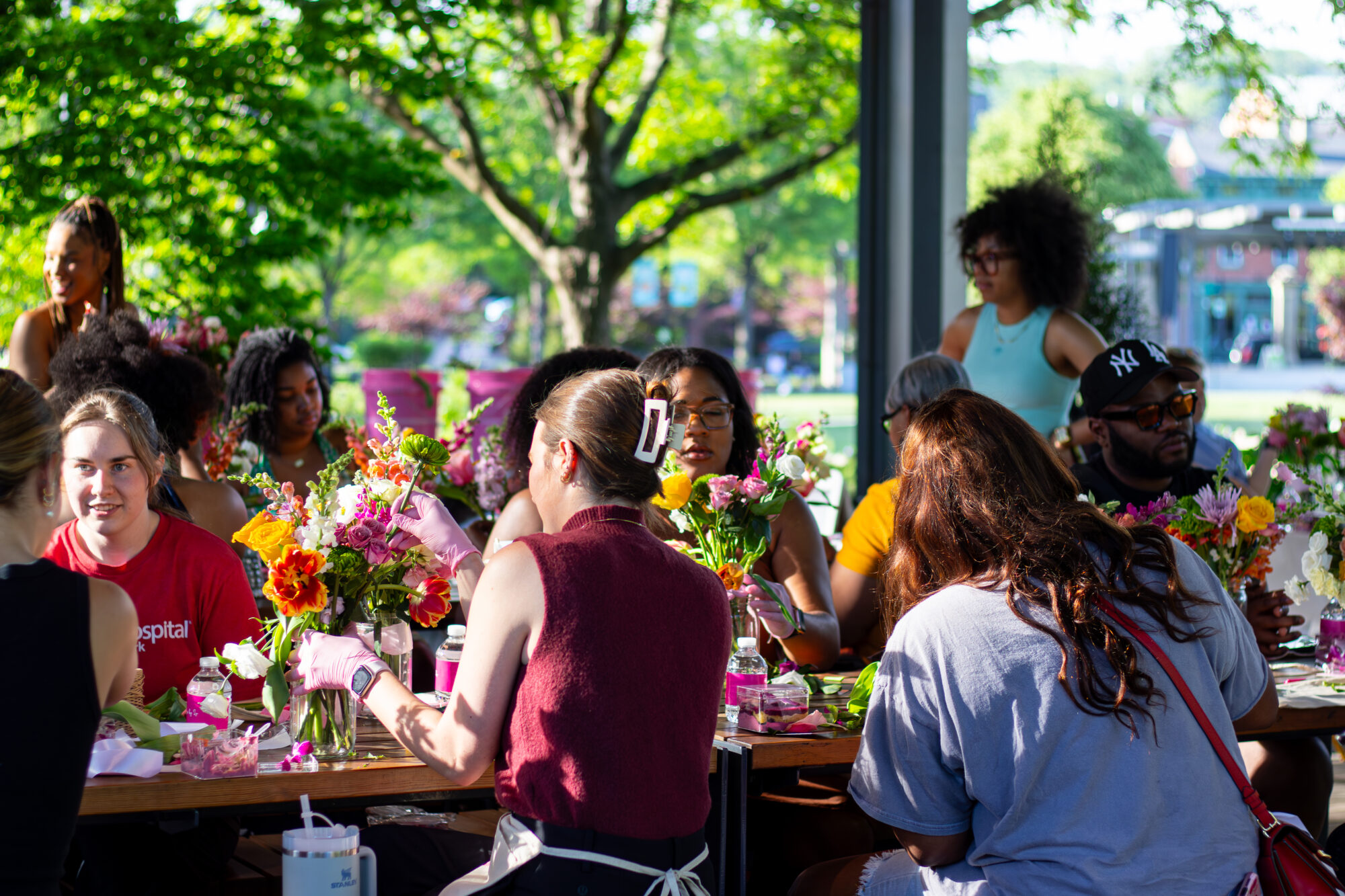
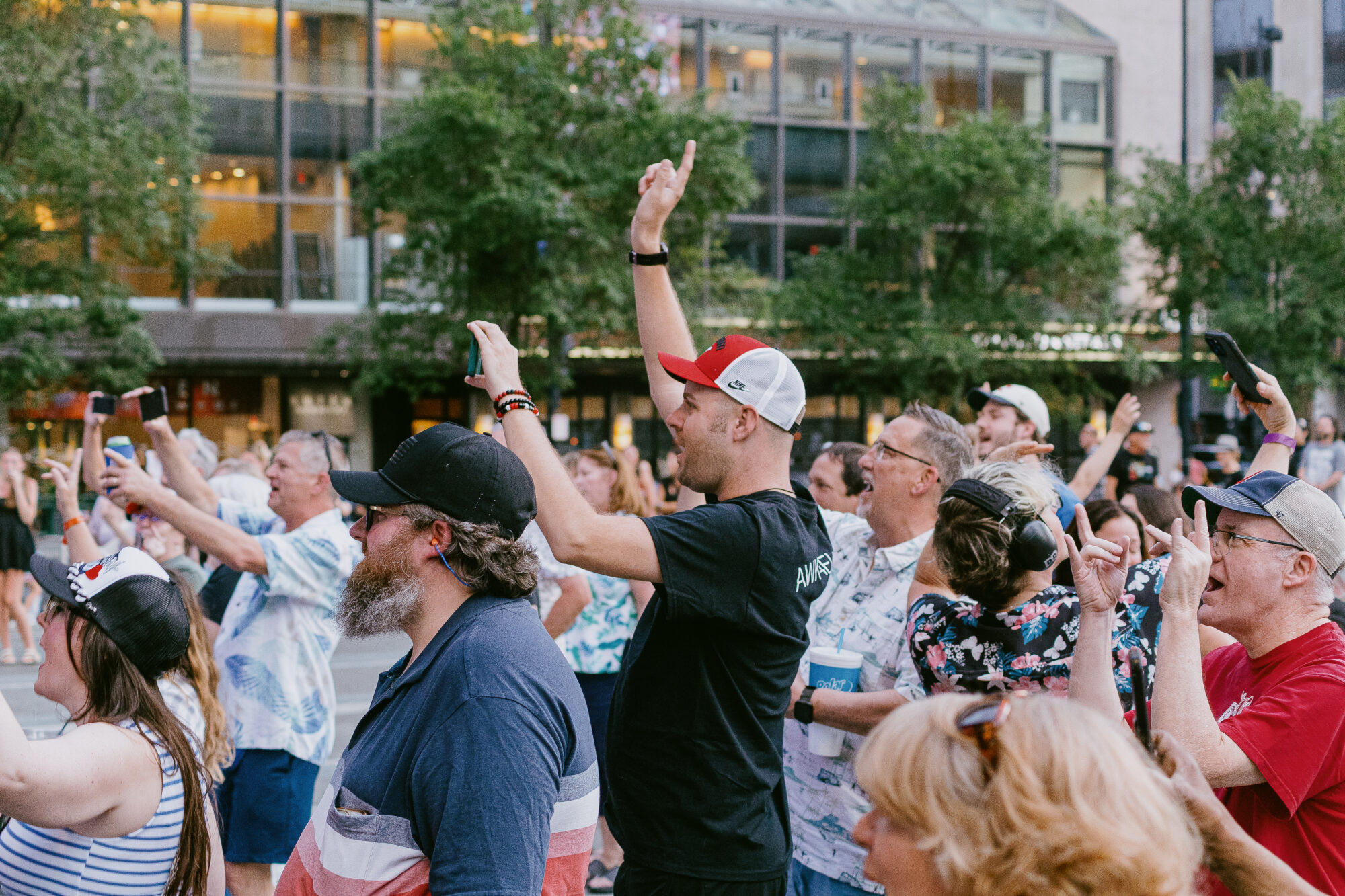
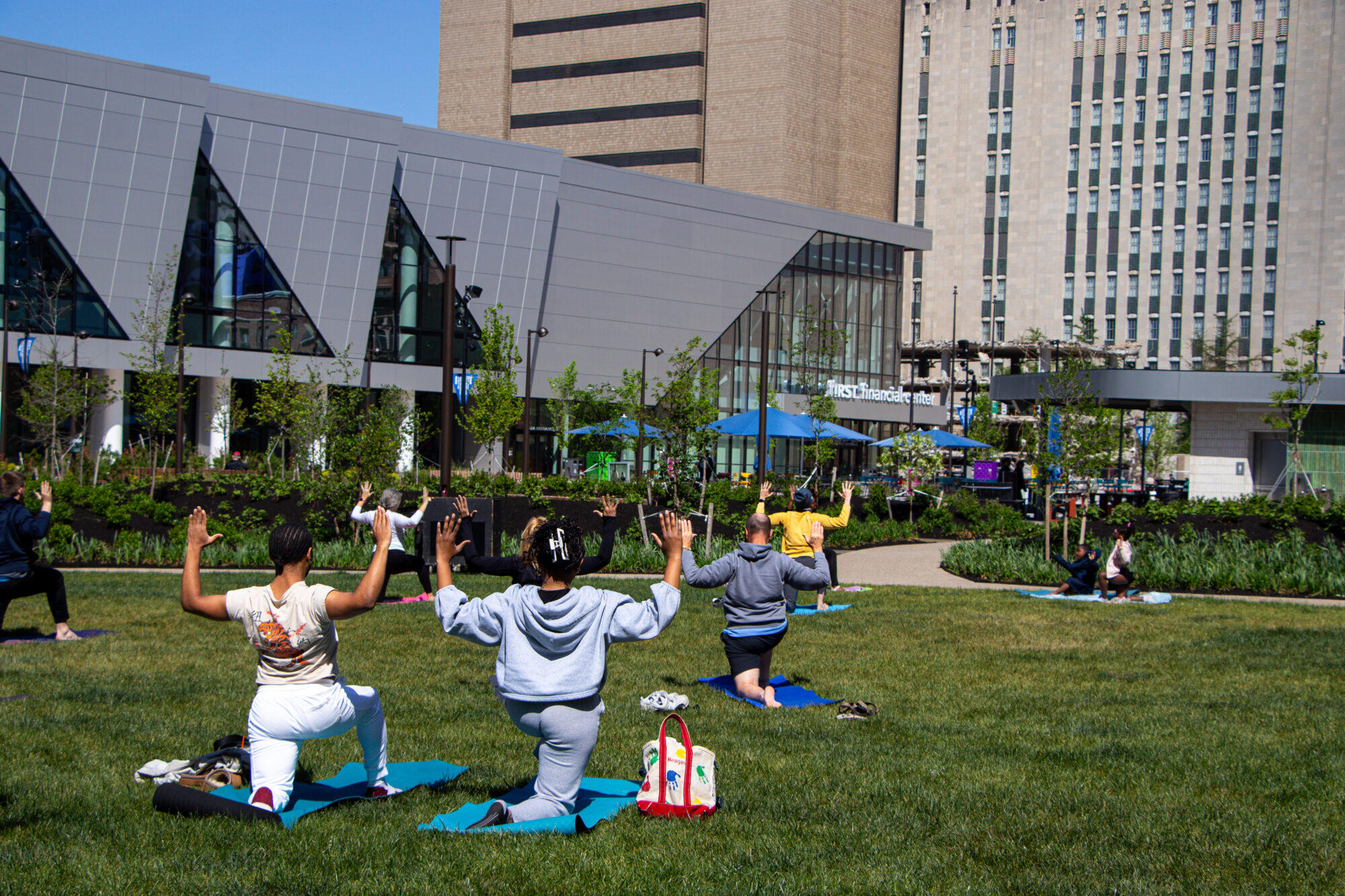
To that point, Over-the-Rhine is not a collection of award-winning restaurants, although many can be found there. In nearly a quarter-century, new parks, cultural centers, hotels, grocery stores, and more have been established. The surge in parking garages is proof of how big an asset the neighborhood has become. Indeed, the new businesses, city square, and arts hubs feed into the city by creating opportunities for celebrations, events, and gatherings that attract locals and visitors alike.
“A pretty space is only as good as it’s used,” says Samad.