By
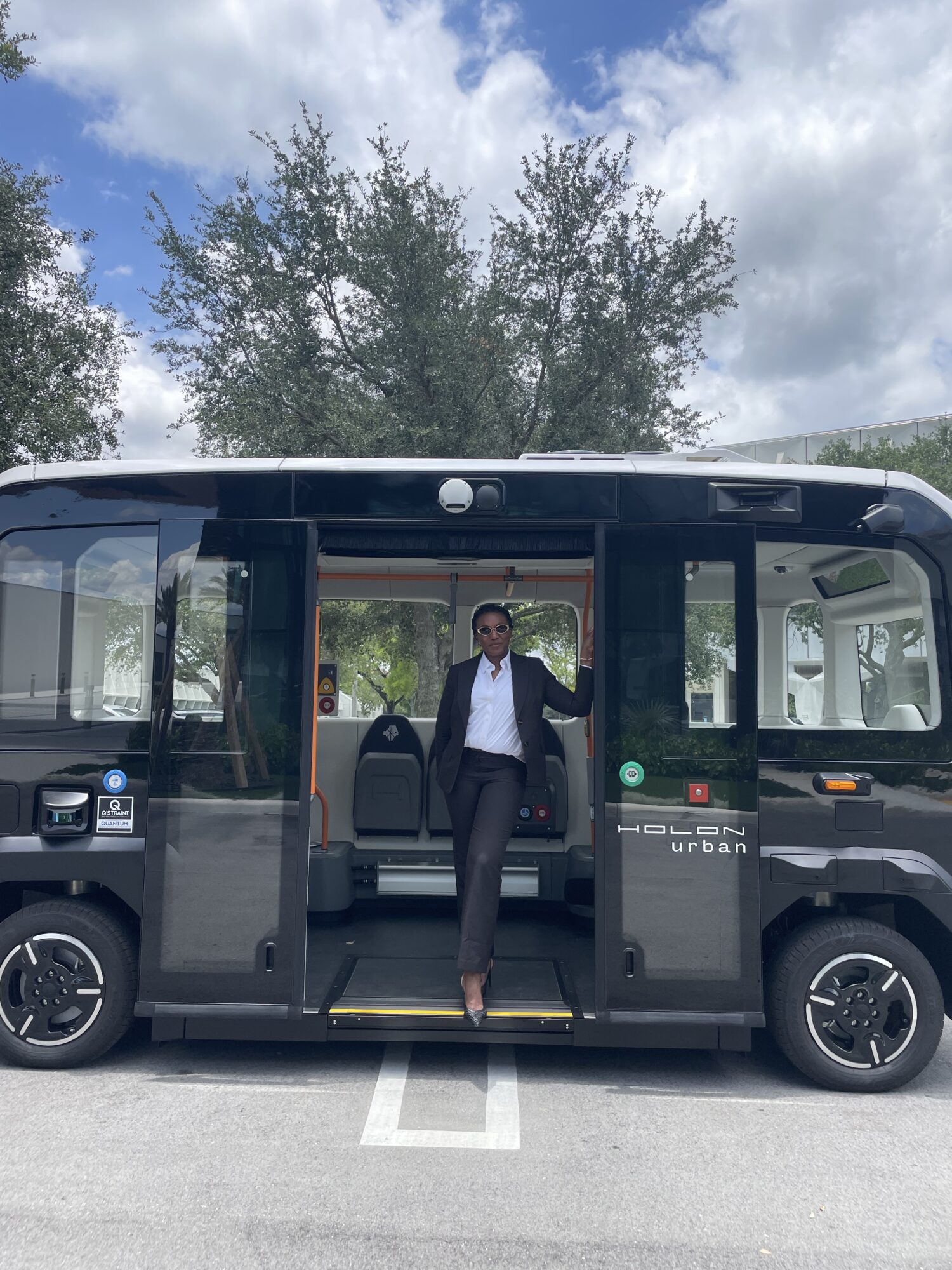
Image source: Gabrielle Pierre
If you think Uber changed the way we get around, you haven’t seen anything yet.
Autonomous vehicles are already circulating across 10 major U.S. cities that Waymo, the preeminent self-driving robotaxi company, has selected as the testing ground for the future of transportation.
There are already 600 AVs on the roads of Arizona, where Chandler, a suburb of Phoenix, emerged as the ground zero for driverless cars. In Austin, the tech-savvy capital of Texas, another 400 roamed the streets even before Tesla launched its new Cybercab series—two-seat, fully driverless vehicle designed without a steering wheel or pedals—in September. The initial novelty has worn off in both, and residents now see it as another way to get around. “They’re essentially background noise at this point,” says Micah Miranda, economic development director for the City of Chandler.
Based on the experiences in Austin, Chandler, and other established AV markets like Atlanta and San Francisco, Lewis Leff, assistant director of transportation operations, imagines other communities will be accepting as fleets are implemented. “People like transportation choices, and autonomous vehicles provide a new type of choice in the rideshare arena,” Leff says.
Here, we look at how communities can prepare for the next generation of automobiles.
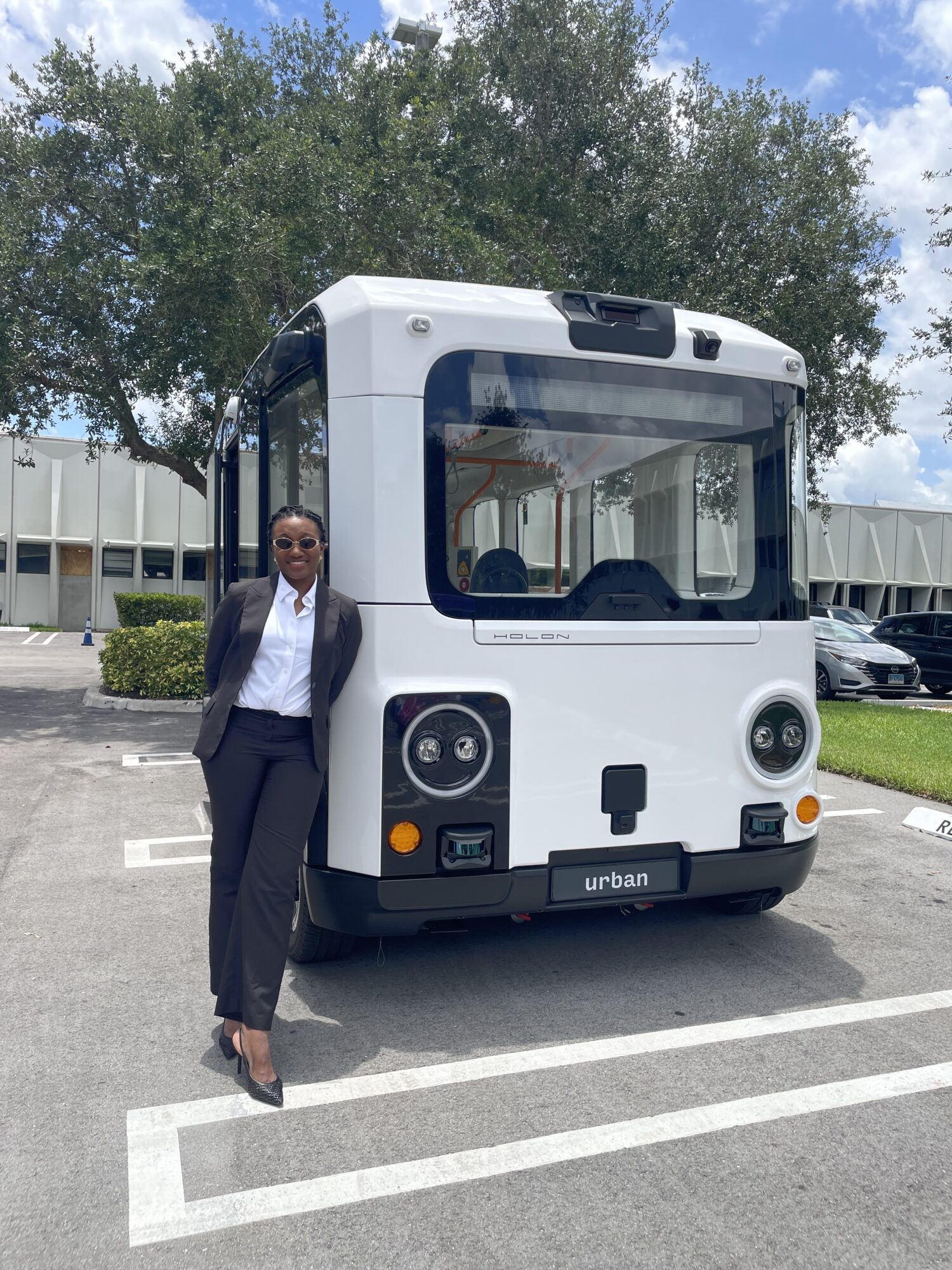
Image Source: Gabrielle Pierre
Gearing Up for AVs
Georgia is among the early adopters of AV infrastructure, along with Arizona and California. It was not the first state to think about autonomous vehicles, but it was among the first to provide clear, statewide statutory permission for fully autonomous operation without a driver in 2017, according to Gabrielle Pierre, director for strategy and partnerships of the Georgia Network for Electric Mobility.
Georgia is right there with the likes of early adopters Arizona and California when it comes to building infrastructure for the next generation of driving. It was not the first state to think about autonomous vehicles — but it was among the first to provide clear, statewide statutory permission for fully autonomous operation without a driver in 2017, notes Pierre.
The regulations green-lighted many crucial steps, including pilot structuring, equipment procurement, and the funding needed to move forward. The fruits of that effort are now evident.
The Peach State has had 10-plus autonomous mobility deployments over the past five to seven years, according to Pierre. This goes beyond Waymos, Zoox, and Tesla vehicles into rapid transit pod systems called Glydways that will be tested as soon as December 2026 at Hartsfield-Jackson International Airport. Autonomous shuttles and autonomous trucking pilots also hold promise, adds Pierre.
However, those deployments have highlighted several planning issues for municipalities, including curb management, emergency response protocols, data sharing, and coordination with transit agencies.
Regions that plan ahead could not only open the door for increased mobility for citizens, but take a major step toward greater sustainability, says Pierre. “You want to set guardrails, not barriers,” says Pierre.
The private companies producing AVs are primarily responsible for the technology, which has impressed Chandler’s Assistant Police Chief Jason Sakowski enough that he’s warmed to the idea of newer generations of AVs that come without steering wheels and pedals.
Lewis says local governments should focus their efforts on coordinating with Waymo and others to ensure a smooth rollout. When it comes to advice for others, “The No. 1 factor that we talk about is the ability to build relationships [with AV producers] and have open communication.”
Tom Dwiggins, Chandler’s fire chief, says safety officials should be brought in almost immediately. Police and fire departments need to understand what technology each company uses, including radar, lidar and cameras, to avoid confusion and delays connected to AVs.
Dwiggins notes that AVs can have difficulty interpreting human hand signals from police officers and firefighters, which can lead to unpredictable vehicle movements, including stopping or making a jerking motion
Likewise, EMTs need to prepare their teams to adjust to the AVs, he adds. “It takes a good few months to train all public safety workers,” Dwiggins says.
Kara Kockelman, a professor of transportation engineering at The University of Texas at Austin for 26 years, has been studying AVs for more than 15 years, anticipating both benefits and unintended consequences before widespread deployment in more than 40 published papers.
One of the big benefits of more AVs is reducing accidents, she says. “Human error contributes to more than 90% of police-reported crashes,” says Kockelman.
Besides injuries, Kockelman says the accidents harm the U.S. economy. “We lose about $3,000 a year per capita to crashes.”
There are some caveats to the statistics, notes Loren Stowe, a certified functional safety engineer at the Virginia Tech Transportation Institute (VTTI). Robotaxis are disproportionately rear-ended because they follow rules more stringently than an average human driver, he says. “They create some unique incidents that don’t correspond to what humans do,” Stowe says.
AVs are also unproven in severe weather. Waymo recalled 3,791 vehicles after one of its cars was washed away during flash flooding in San Antonio in May, and there was a highly publicized case of a robotaxi succumbing to flooding in Atlanta this summer. Notably, all of the cities Waymo is operating in have moderate to warm temperatures, so it is not known how the vehicles will operate in icy and snowy conditions, adds Stowe.
Sakowski says communities can take proactive safety measures, including communicating planned road closures to AV companies in advance. With notice, technology barriers can be implemented to prevent autonomous vehicles from driving into construction areas and other areas that can interfere with emergencies. “Geofencing is really important because you can geofence around a police incident or a fire scene,” Sakowski says.
As AVs become more popular, transportation experts agree that too many of the distinctive-looking vehicles drive around Atlanta, Austin, Phoenix, San Francisco and elsewhere without anyone in them. Sans drivers, yes, but also without passengers as Waymos and other AVs roam the streets for up to 22 hours per day in a practice known as “deadheading.”
The empty AVs are a sign that human drivers aren’t going the way of the stick-shift yet and are perhaps the most visible of numerous challenges cities and AV providers must sort through before mass adoption.
Like a true New Yorker, Kelly McGuinness, director of the Sam Schwartz Transportation Research Program at Hunter College, champions public transportation as a safer and more efficient mode of transportation that requires greater investment. “A fleet of robotaxis is never going to move as many people as a well-running bus or a subway line,” she says.
Pierre says AVs could work in tandem with transit systems to create greater mobility and accessibility for citizens, particularly close to existing stations and depots. “If we get it right, we have an opportunity to have really good first-mile, last-mile service that we’ve never had,” she says.
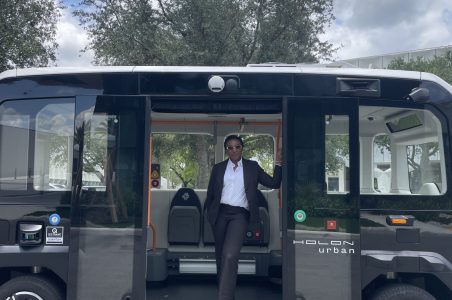
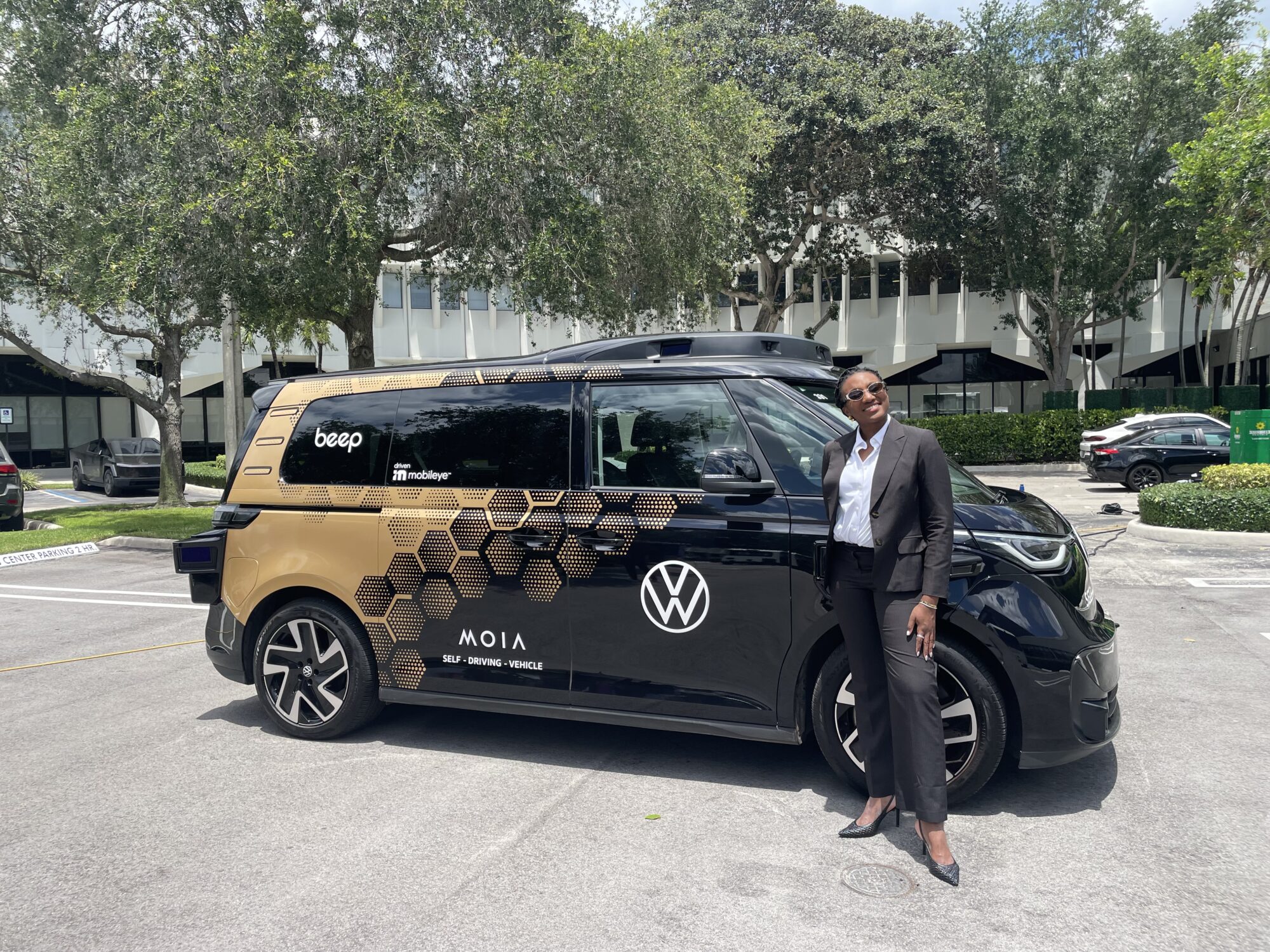
Image source: Gabrielle Pierre
Down the road, the AV revolution may lead to a day when all humans are in the passenger seat. Most current consumer vehicles feature Level 2 automation (driver assistance), according to Stowe. For comparison, robotaxis operate at Level 4.
Pierre is bullish on that future: “There’s a real chance that if you buy a new car in the next five years, it will be Level 4 capable,” Pierre predicts.
McGuinness has a different take: “I don’t think that that future is anytime soon, it might be 2050 or later.” That said, she says any move blocking AVs is likely just delaying the inevitable. “The challenge isn’t whether autonomous vehicles are coming—it’s how cities prepare for them,” says McGuinness.
Kockelman imagines a world in which major cities like New York set electric boundaries where automatic driving takes over for safety reasons. But robotaxis and other automated vehicles will likely share the road with standard (including hybrid and electric cars).
Not surprisingly, money will dictate progress. Waymo trips currently cost roughly 20 times more than bus rides, Stowe says. As prices drop, another problem emerges, he says. “If robotaxis become inexpensive enough to pull riders from public transit, cities could face equity problems as bus systems become more expensive to operate.”
That leaves a fundamental challenge between public and private interests. “How will policy be able to match what the industry wants to do?” Stowe asks.
Large cities will likely remain the primary AV markets because they provide the strongest business case, says Stowe, adding that rural deployment will lag because roads, economics and operating conditions make automation more difficult.
Kockelman has recommendations as more communities see the rollout of Waymos and other AVs:
Pierre says cities must work carefully with AV companies to ensure a smooth rollout to help expand transportation options. “You want the public’s first exposure to this to be as practical as possible,” she says.