By
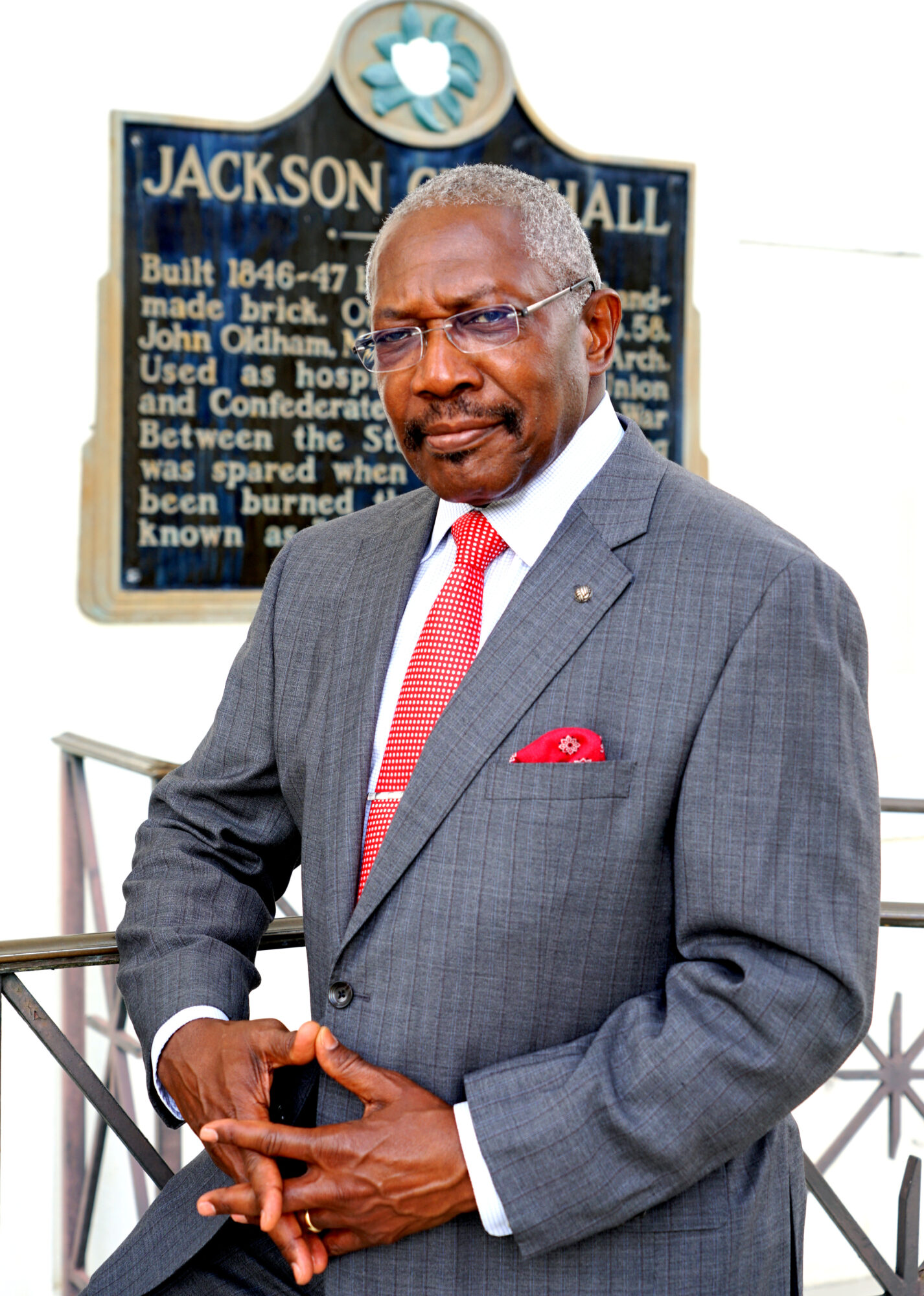
Image Credit: City of Jackson, MS
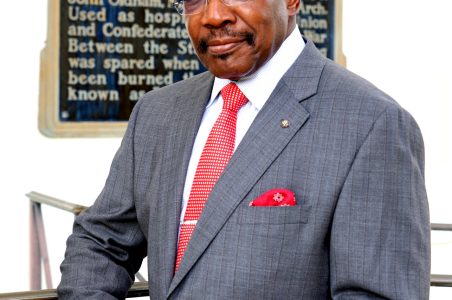
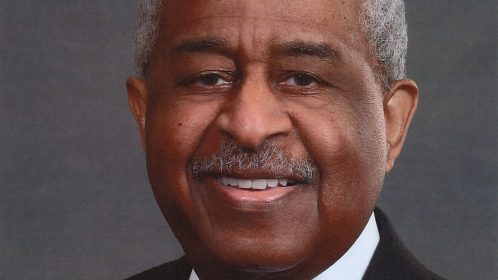
When Mayor John Horhn talks about Jackson, Mississippi it’s as if he’s known the city his entire life. Because he has. Born in Goodman, Mississippi, the son of a labor organizer and a public-school cafeteria worker, he moved to Jackson at just three weeks old and grew up in the capital city’s neighborhoods, schools, and community spaces.
Destined to be a civic leader, he served as class president at the former Morrison Elementary School. Before entering elected office, Horhn worked across state agencies as a program manager at the Mississippi Arts Commission, the state’s film commissioner, director of federal programs in the Governor’s Office, and state tourism director. Those early experiences shaped a career rooted in public service, economic growth, and cultural storytelling.
Public service, he says, has always been in his blood. “My father was a labor union president in Mississippi — the second Black person elected to that role in the state. A. Philip Randolph, a great civil rights leader, was his mentor. Along with that came a deep interest in voting rights and voter education. So, I got it in my blood fairly early.”
In 1993, he won his first race for the Mississippi Senate. For the next 32 years, he represented parts of Hinds and Madison counties, chaired the Economic Development Committee, and helped move more than $1 billion worth of projects through Jackson — including facilities, hotels, museums, and long-overdue water and sewer improvements.
One of the key accomplishments of his legislative career was sponsoring the bill that established the Mississippi Civil Rights Museum, the first state-supported civil rights museum in the United States.
“I was the original author of that bill. We raised $93 million from the state and another $30 million from the private sector,” Horhn says. It remains one of the city’s most important cultural landmarks.
When he was sworn in as Jackson’s 54th mayor on July 1, 2025, Horhn brought decades of experience, but he also inherited a city facing serious challenges. His victory speech set the tone: “Talk is cheap. It’s now time for action.”
He describes those first months as a period of crisis management. Jackson faced infrastructure failures, safety concerns, and the ripple effects of long-term blight. But Horhn treated it as a starting point, not a setback.
“The city was broken, and still is broken in some ways, but we’re fast fixing a lot of that,” he says. “Folks had lost a lot of hope. The first thing we had to do was work toward the restoration of trust and accountability.”
In his first State of the City address on Oct. 21, he declared “Jackson is rising,” a twist on his campaign message, “Jackson is ready.” It was his way of signaling that progress would be measured not in words, but in daily, visible improvements. “Like a phoenix, we’re rising out of the ashes and recasting Jackson into the place that everybody wants it to be,” he says.
Horhn has made the city’s top priorities his mission: improving public safety, addressing blight, and rebuilding infrastructure. His approach has centered on collaboration across city, county, and state partners — an area where he’s already strengthened key relationships.
In public safety, early numbers show promising movement. Jackson ended 2025 with 75 homicides, a 32% decrease from the 111 homicides recorded in 2024.
Horhn is encouraged but cautious: “In the last few weeks, we’ve had a spate of homicides ticking that number back up, which is part of why we’re excited to have a new police chief coming in to hopefully implement things that will mitigate that.” His appointment of Dr. RaShall Brackney adds another layer of leadership that residents hope will bring stability and consistency to public safety strategies.
Infrastructure has also seen a boost. “I’ve found $125 million to pave about 450 streets,” the mayor says. The city has also focused on the gateway, the major entrances and exits into downtown, to make them more welcoming. It’s the kind of work that may not make headlines but is essential for the city’s long-term health.
One of the trickiest infrastructure challenges has been the water and sewer system, which failed after a major storm nearly four years ago and has since been under federal oversight. “The federal government controls our water and sewer system and has put up $600 million to help fix it,” Horhn explains.
“We’re right now wrestling with the legislature about how we can get our water and wastewater system back in the hands of the city,” through an independent commission authorized to hire a professional manager.

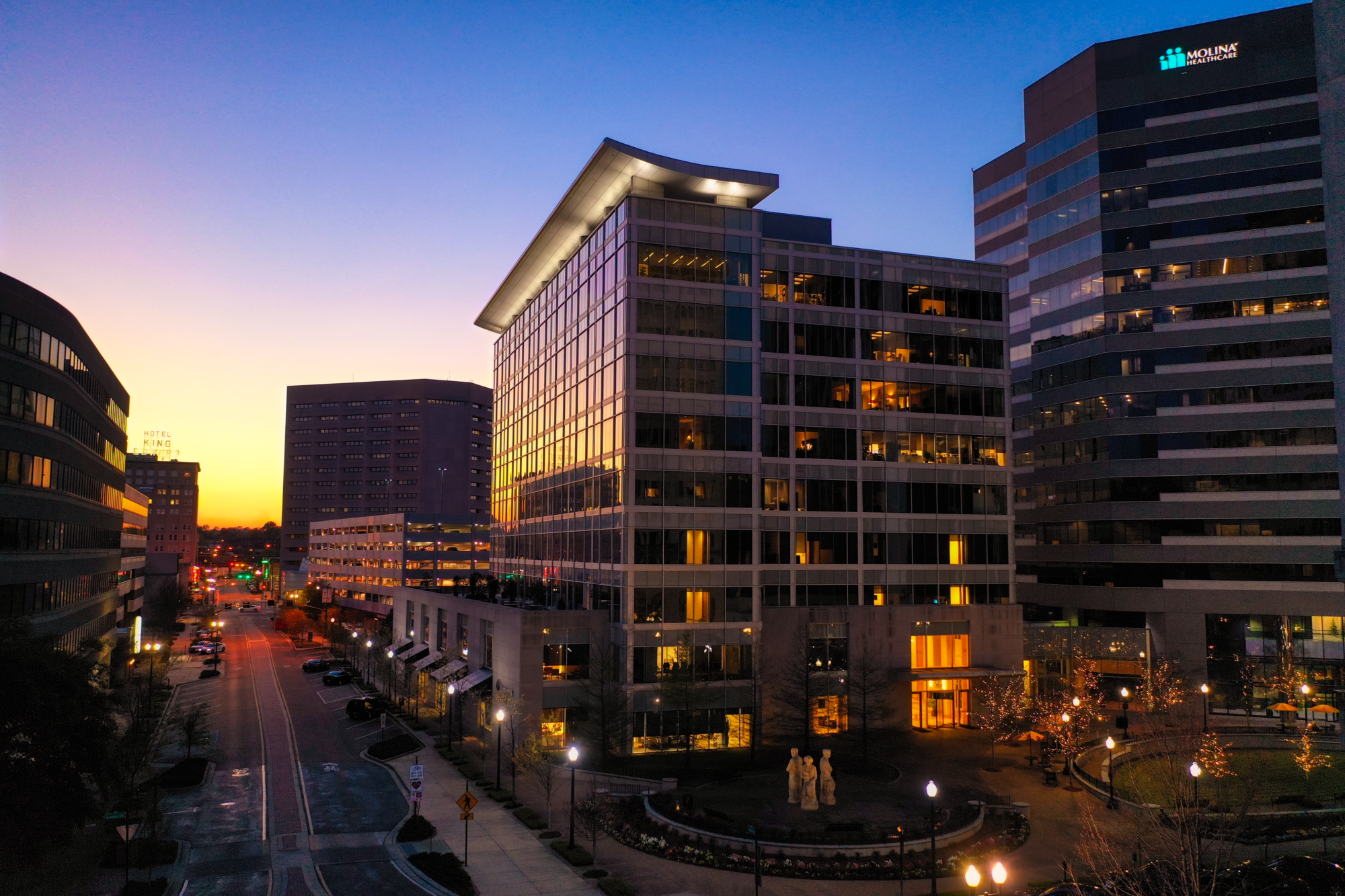
Image Credit: Stephen Little
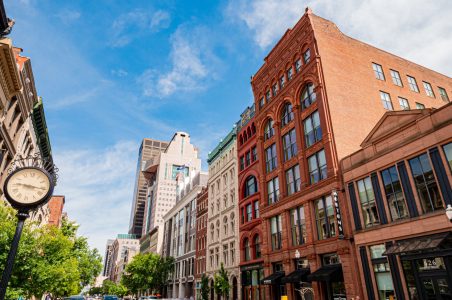
One of the most visible efforts currently underway in Jackson is the transformation of neglected areas into community assets. Under Mayor Horhn’s leadership, the city established a blight task force and a housing task force that support tenants’ rights and seek new housing options. Vacant lots are becoming green spaces, urban farms, and gathering places.
These efforts reflect Horhn’s belief that revival must stem from both policy and community partnership. However, he’s open about what it takes to change public perception: “You’ve got to be the cheerleader. I’m not naturally a cheerleader type. I’m a little more reserved, but you have to put a different face on things in order to be that great encourager.”
He also acknowledges the double-edged nature of early progress. “Now that people see somebody’s doing something, they’ve got a long list of other stuff they want you to do too, that’s been neglected for years. Managing the expectations of the citizenry is a big job.”
Art, culture, and economic development are also central to Horhn’s vision. Within three months of taking office, his administration fundraised for and hosted the National Folk Festival. An initial budget of $300,000 was supplemented with an additional $1.2 million. 30,000 attendees participated over three days.
The revitalized Thalia Mara Hall, one of the state’s largest performing arts facilities, has hosted Kamala Harris on her book tour, a Star Wars symphony concert, and a symphonic harmony event featuring Morgan Freeman. Jackson also hosted the St. Patrick’s Day parade — the fourth largest such celebration in the country. “We don’t have that many Irish people here in Jackson,” Horhn says with a laugh, “but we have a lot of people who like to party, and it doesn’t take much of a reason for that.”
Real estate is also on the upswing. “In the last nine months, we’ve had $100 million in new projects — affordable housing, market-rate housing, and hotels — cropping up in the city.” The city also earned Michelin honorable mentions for three locally owned restaurants and boasts a James Beard Award recipient.
Looking ahead, Horhn states that workforce training, blight remediation, and youth violence remain top priorities. He’s also watching for opportunities in emerging industries. “We must be careful that we don’t get left behind on artificial intelligence. Data centers are something we have to examine — there’s a lot of misinformation out there that might cause us to miss an opportunity right in front of us if we’re not cautious.”
There’s also a $24 million budget deficit inherited from two consecutive years of shortfalls under the previous administration — a challenge Horhn faces with the same directness he brings to everything else. “It’s going to require some belt-tightening.”
Horhn’s long career in public service has given him a deep understanding of what a city can become with the right mix of leadership, investment, and community trust. 2025 was his fourth run for the office. He describes the journey as not just political, but spiritual: “It wasn’t according to my plan — it was according to his plan. Now I truly believe that I’m a man for this point in time in terms of what the city needs.”
As Jackson progresses in its recovery and growth, Horhn’s focus stays steady: enhancing public safety, rebuilding essential infrastructure, and transforming long-neglected spaces into opportunities. A local resident who texted him after a radio appearance summed it up simply, and he hasn’t forgotten: “The definition of hope is that tomorrow is going to be better than today.” For Mayor John Horhn, that’s the work.