By
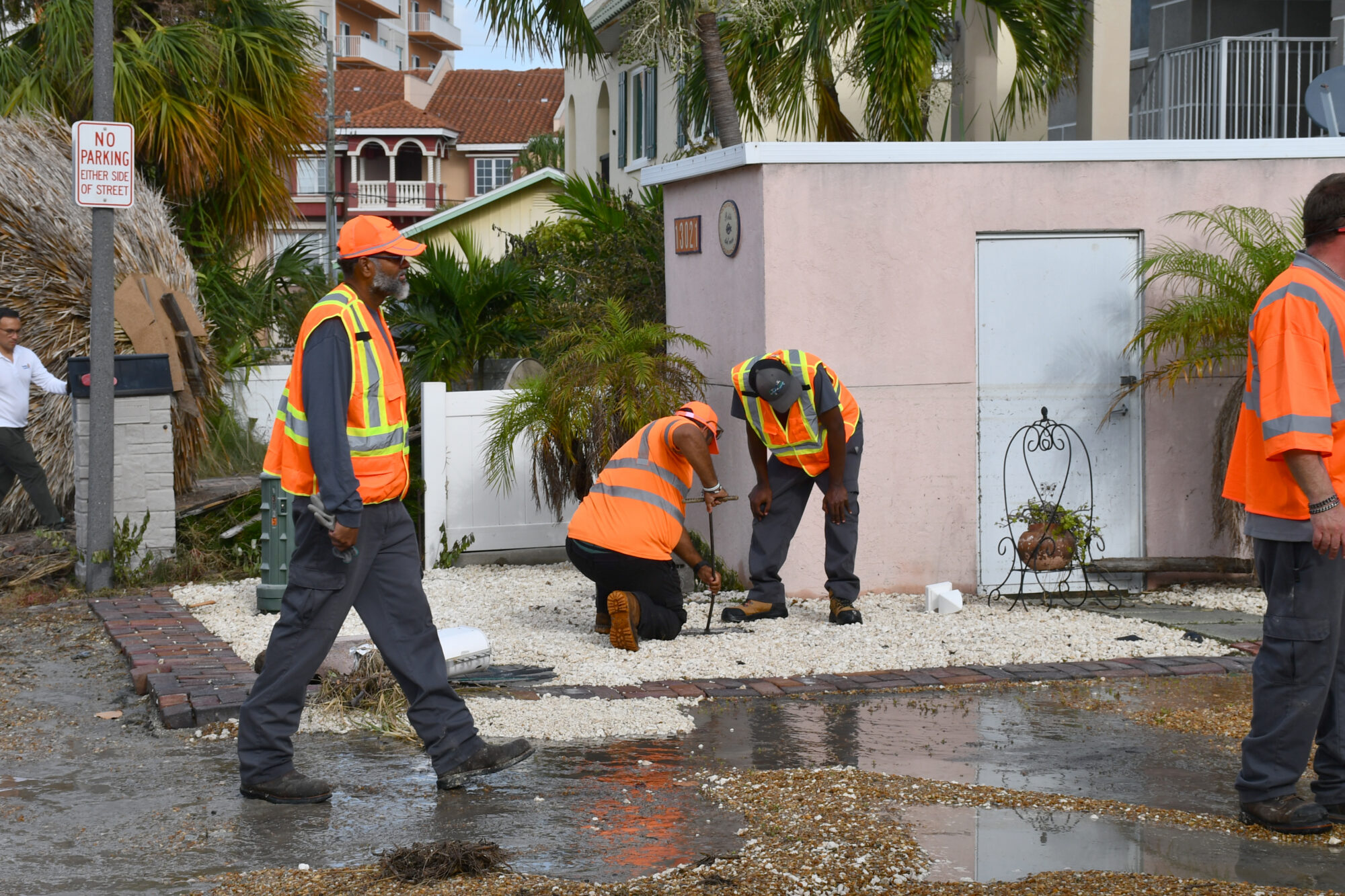
Image Source: Pinellas County
North Carolina was once considered a “climate haven,” safe from the big natural disasters like hurricanes, tornadoes, and earthquakes that impacted other places in the nation.
Then, in late September of 2024, Hurricane Helene hit.
Making landfall as a Category 4 storm in Florida’s Big Bend region, it moved inland to dump 30 inches of rain in the mountains in just 36 hours. Flash floods ripped through the land, destroying large swaths of underground utilities in an unprecedented way.
“Helene was the worst natural disaster in this state’s history,” said Clay Chandler, the Spokesman for the city of Asheville’s Water Resources Department. “We were without any water service for two and a half to three weeks, and without potable water for 53 days. There’s no utility system on Earth that can sustain something like that.”
Like much of America’s utility infrastructure, Asheville’s water system was designed more than 50 years ago. That was before climate change ushered in a new wave of stronger, more intense, and, at times, unpredictable storms. Their system was developed to ensure that pure mountain spring water meets federal drinking water standards — not to handle the gushes of turbid, muddy landslide runoff from the mountains into the valley.
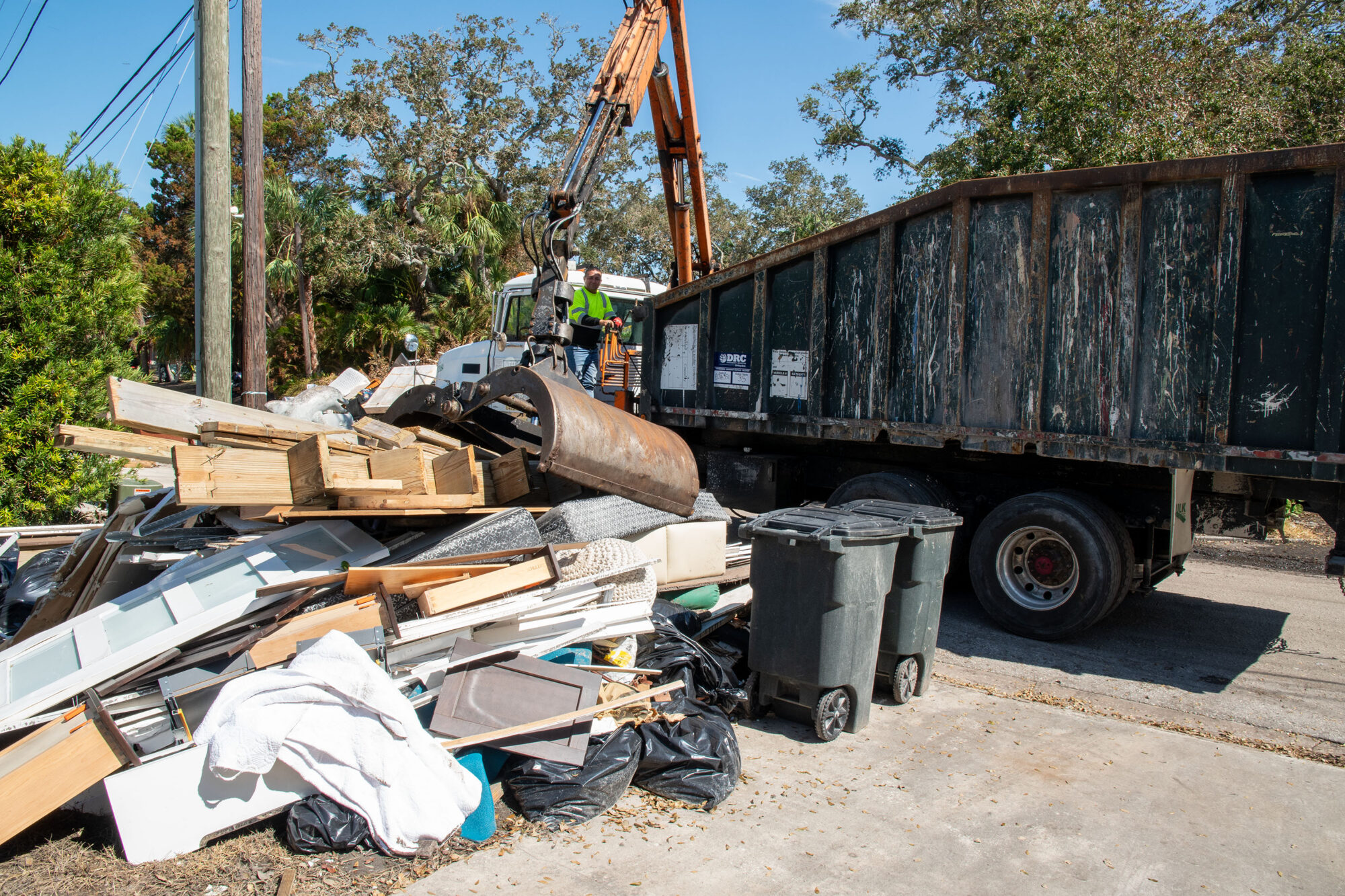
Image Source: Pinellas County
When it comes to these serious natural disasters, crisis management can’t start with the first forecast. Sometimes, there isn’t even a forecast. Instead, municipalities must ensure that plans are in place to provide as much resilience as possible. Learning the lessons from communities like Asheville and others that have been through the worst can help refine strategies and preparation practices.
“Something like Helene is going to happen somewhere, again,” Mr. Chandler said. “I hope it’s not western North Carolina, but there are going to be utilities that are completely wrecked because they weren’t built to withstand the event.”
Non-Negotiables: Communication and Coordination
Since no one can stop the wrath of Mother Nature, it’s wise to have comprehensive crisis management plans that include as many agencies as possible. That’s what Cathie Perkins, the Emergency Management Director for Pinellas County in Florida, recommends after Helene brought a surprise seven-foot storm surge to the Tampa Bay area before moving toward North Carolina.
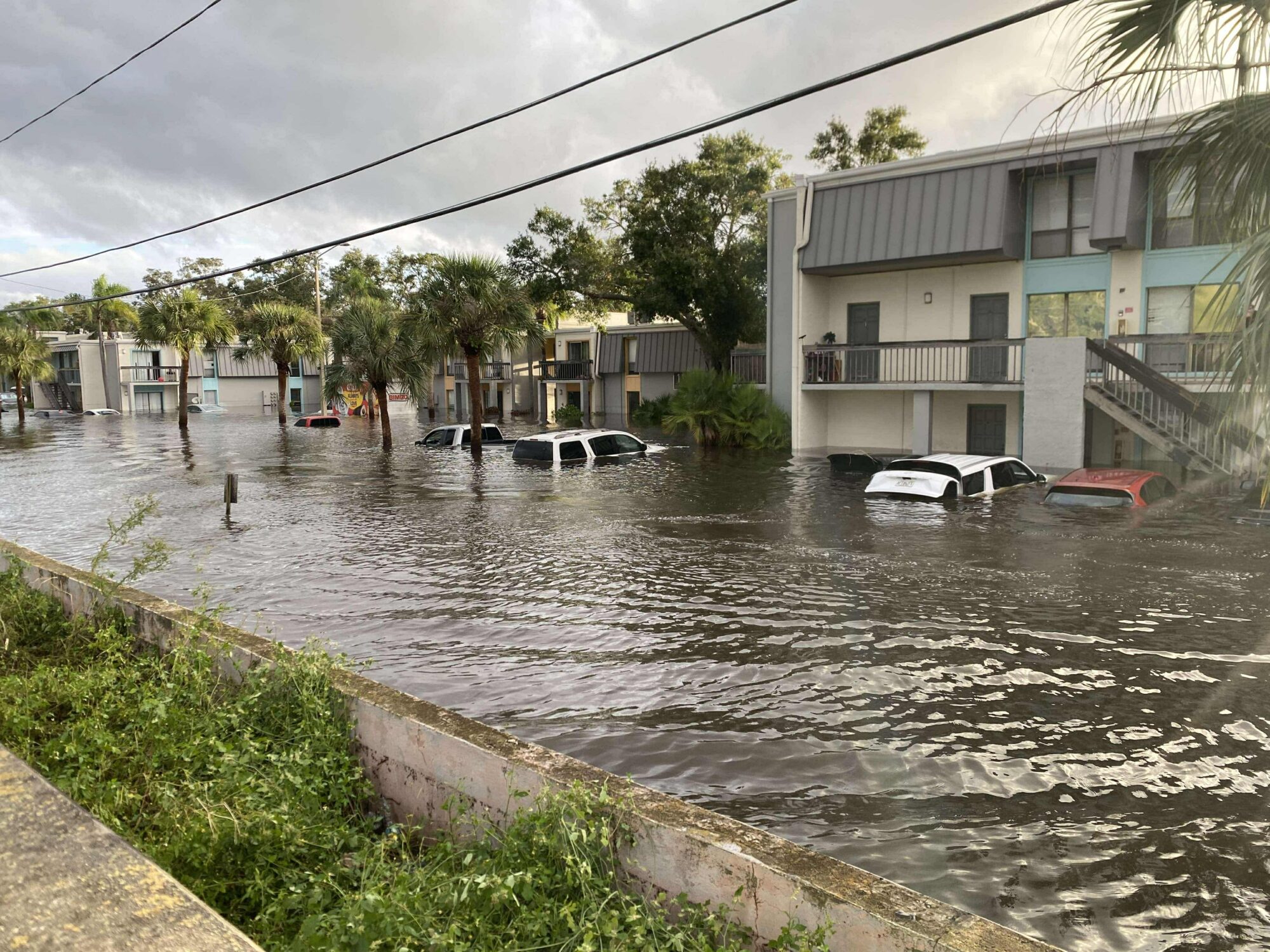
“We ended up with 33,000 residents being impacted,” she said. “More often in the last 10 to 15 years, it’s the rapid intensification. It can go from a tropical storm to a major category just within a few days. Those are really terrifying.”
Pinellas has a clear structure for conference calls with partners, including neighboring municipalities, healthcare providers, nonprofit agencies, and emergency responders. A unified communication plan makes it easier to provide clear messages to the public, such as evacuation orders that require special transportation, medical assistance, pet care, and even debris removal.
Another way to learn is through collaboration before the disaster hits locally. By sending teams to help neighboring communities in times of crisis, municipalities can gain a real-time understanding of often-overlooked concerns like distribution points, backup city hall locations, and strengthened building codes to elevate homes from potential flood impacts.
“It’s a long haul and a lot of work, so lay the groundwork now and use other people’s road maps,” Ms. Perkins said. “Mutual support can be your best friend. We bring others in to support us, and we deploy to other communities to support them.”
Have Emergency Funding Ready
Mr. Chandler also encouraged reaching out pre-emptively to the private sector, but contracts require funding — a serious limitation when overwhelming disaster strikes. Before Helene, Asheville’s capital needs for water resources were $250 million. Now, they need $600 to $700 million to upgrade the filtration system.
Like most utilities nationwide, they are funded solely by their customers, not by local, state, or federal funding. Mr. Chandler’s advice to other utility agencies needing funding for improved resilience? Don’t wait.
“Start yesterday. There’s going to be a lot of competition for those state and federal recovery dollars,” he said. “We knew where our system was the most vulnerable before Helene, but we didn’t have the funding to make it stronger.”
Limited funding is even more of a challenge for smaller municipalities, which face the same risk from increasingly severe weather events.
The town of Worcester, Vermont — with a “shoestring” operating budget of just $1 million for its population of 950 residents — was shocked by back-to-back flooding events in 2023 and 2024. Damages exceeded $9 million, said Katie Miller, the town’s treasurer.

Image Source: Pinellas County
“It was plainly obvious that we could not sustain, even with federal and state aid,” she said. “We have 36 miles of roads and just eight miles of paved roads. We became an island. Every road that was accessible out was washed away.”
This year, the voters agreed to establish an emergency management capital fund fueled with any leftover money from the year’s operating budget. Ms. Miller said an outreach campaign wasn’t necessary because everyone in the small town understood that the cost of borrowing the money can be great.
For federal reimbursements and state grant applications, she encouraged municipalities to document and track every detail of the damage, including photos and GPS coordinates. Having an earmarked fund for matching emergency needs also helps with competitive grants, she added.
“The risk will always be there. I don’t think anyone is immune to it anymore,” she said. “Looking year-round for other grants for operations and mitigation is always beneficial.”
Practice, Practice, Practice
Although it was impossible to predict the level of damage Helene caused western North Carolina, Mr. Chandler said his agency was as prepared as possible thanks to quarterly emergency response trainings.
“That sets up the emergency response structure, so we know who does what and where,” he said. “We were ready to respond to a natural disaster or something manmade. That was very, very helpful.”
Practice allows municipalities to work through the process, understanding the weaknesses of the system and solidifying the partnerships of elected officials and key agencies like the fire department and communications teams.
After Hurricane Katrina in 2005 and the terrorist attacks on September 11, 2001, the Federal Emergency Management Agency created a standardized protocol for the response to natural disasters. It’s a good idea to make sure all agency partners and neighboring municipalities are speaking the same language with a clear emergency operations plan, Mr. Chandler said.
“It never hurts to develop a set of emergency response tactics and train often,” he said.
That work can start with a hazard and vulnerability analysis of the community, suggests Ms. Perkins. Thinking ahead with mitigation plans and even investments for infrastructure resilience will be worth it when — not if — a natural disaster hits.
“There are so many cascading impacts, and disasters aren’t short-term,” she said. “The planning and preparedness have to happen at every level.”