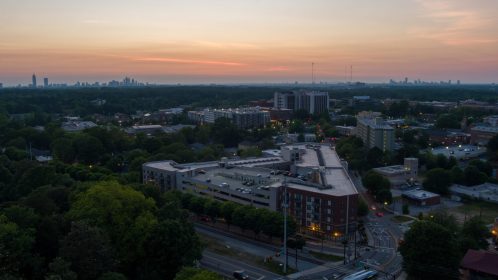
By 2027, Valparaiso hopes to debut its new superstar. The site will include three basketball courts—fitting for the city whose namesake university once made the NCAA Tournament’s Sweet 16 in a dramatic fashion. The courts will also be used for volleyball and pickleball. Additionally, a 25,000 sq.-ft. outdoor playing surface for football, soccer, and lacrosse will be a part of the complex.
On the building’s east side, which was better maintained, the community center will host a senior center, toddler educational programming classrooms, a children’s museum, and government office space.
The museum will be new, but many of the other uses are relocating to a more centralized location. “We’re going to be able to operate much more efficiently,” says Nuppnau.
Cleanup and restoration projects occur regularly across the country, but the location of this 17-acre plot of land makes the Valparaiso situation unique.
“Some of these facilities, when they’re built new, are on the outskirts of town or in a more remote area because that’s where the land is available,” Nuppnau says.
Not so in Valpo. The development is within the Central neighborhood and just off the city’s major thoroughfares. City leaders are mindful of the impact on residents in and around the zone, particularly given environmental concerns.
The Valparaiso Redevelopment Commission owns the site, with funding for the project coming from a mixture of state bonds, a grant tied to blighted areas, and cash on hand. The Parks and Recreation Department will operate it once completed.
Outside the playing and enrichment areas, plans from the development commission and the mayor’s office include adding hundreds of new parking spots and attracting new, like-minded businesses, such as a yoga studio, a health care provider, and a coffee shop.
Remarkably, the project is not the only major restoration initiative in the city of 35,000. Through its “rePLAY” $10 million initiative, the parks and rec department upgraded and enhanced 10 existing parks in 2025. “We don’t take it for granted because it doesn’t happen very often that $40 million is invested into quality-of-life amenities,” Nuppnau says.
Building Around the Chattanooga Lookouts
Along the same lines as Valparaiso but on a much larger scale, Chattanooga, Tennessee, thinks it will hit a home run with the revitalization of its South Broad District.
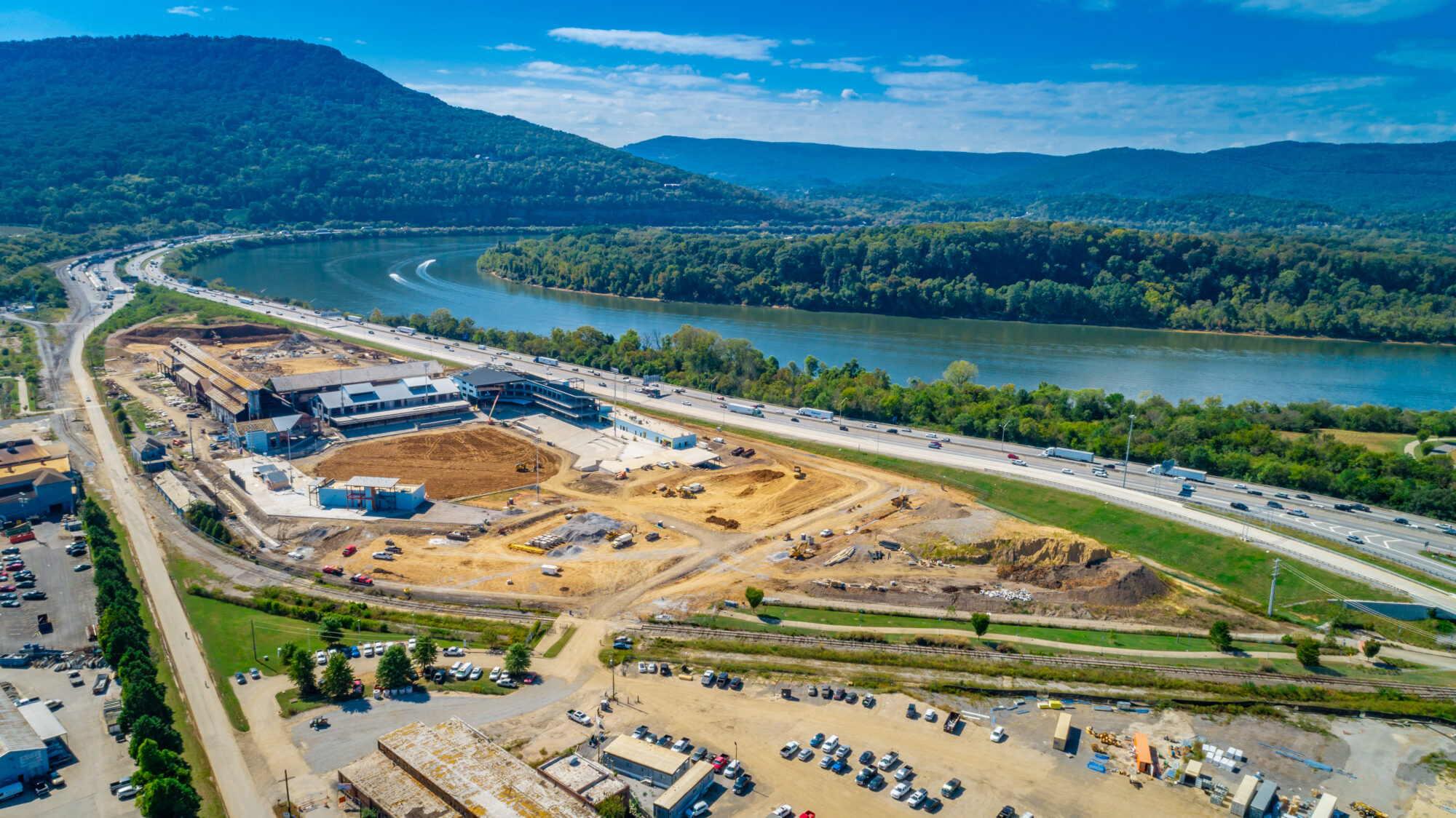
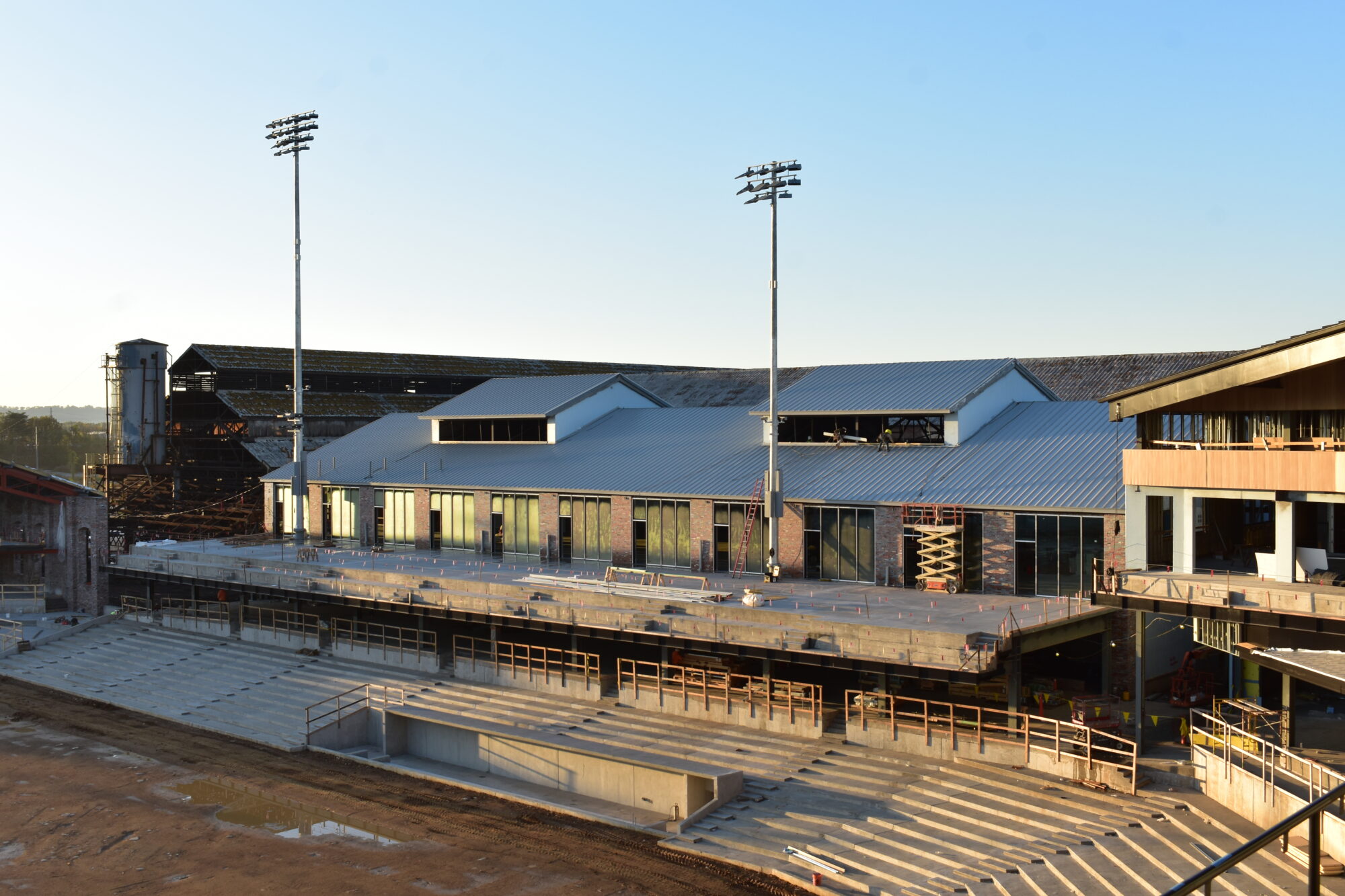
In 2022, the Hamilton County Commission and Chattanooga City Council approved a plan to issue $80 million in bonds to build a mixed-use development centered around the city’s minor league baseball team, the Chattanooga Lookouts. Construction is ongoing on the 140 acres of the dilapidated Wheland Foundry and U.S. Pipe sites.
Once completed, the project is expected to generate more than $1 billion in new investment and $2.3 billion in economic impact in the area. The team hopes to play ball at Erlanger Park, as the stadium will be called, by opening day in April 2026.
Dan Kopf, the Lookouts’ director of public relations, says the stadium will be a huge attraction. “Erlanger Park will offer a tremendous step forward in the overall ballpark experience. It has been thoughtfully designed with the fan in mind, featuring a 360-degree concourse, state-of-the-art video boards, a kid zone, new and exciting food options, an outfield bar, and dynamic group and event spaces. The facility will also meet and exceed MLB’s facilities standards with updated clubhouse, batting cages, and player amenities.”