Kevin Krause, director of Community Safety and Development for the city of Romulus, said the city wanted to “lean into allowing drones in Romulus airspace,” as it was an emerging technology the community would have to address.
The city partnered with Detroit-based Airspace Link to conduct a study to address safety factors and make a case with the Federal Aviation Administration (FAA) to earn Low Altitude Authorization and Notification Capability clearance for air flight around DTW. Airspace Link’s UAS digital infrastructure tool, AirHub Portal – described as “Google Maps for the sky,” Krause said – examined air traffic in Romulus and around DTW property.
As part of Airspace Link’s UAS Readiness Assessment, the firm worked with seven city departments (Police and Fire, Building and Planning, Public Works, and others), to assess benefits and ways to use UAS in Romulus, including training drones for FAA Part 107 certification, buying drones, and installing sensors.
Romulus’ drone aspirations started small, as the altitude “you can fly into airspace was zero.” Because of the community’s proximity to DTW, the city asked the FAA to open “one block (of airspace) for the schools,” Krause said.
After a 90-day wait, the FAA denied the city’s request in an email. A day later, Krause got a call from Airspace Link informing him that the airspace on the north end and west side of DTW was open for drone flights for recreational and commercial use.
From Drone-Free to Drone-Ready in Romulus
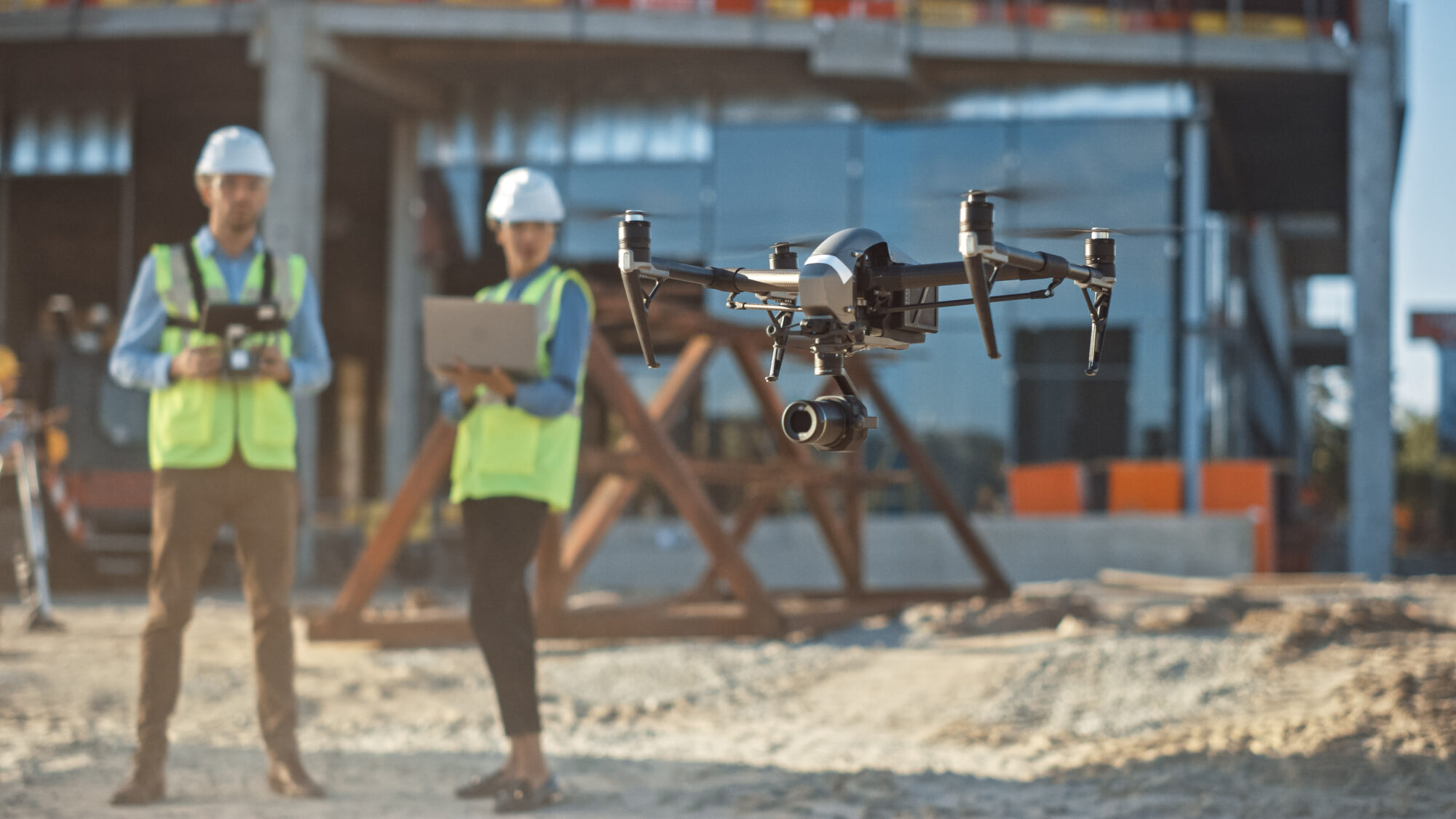
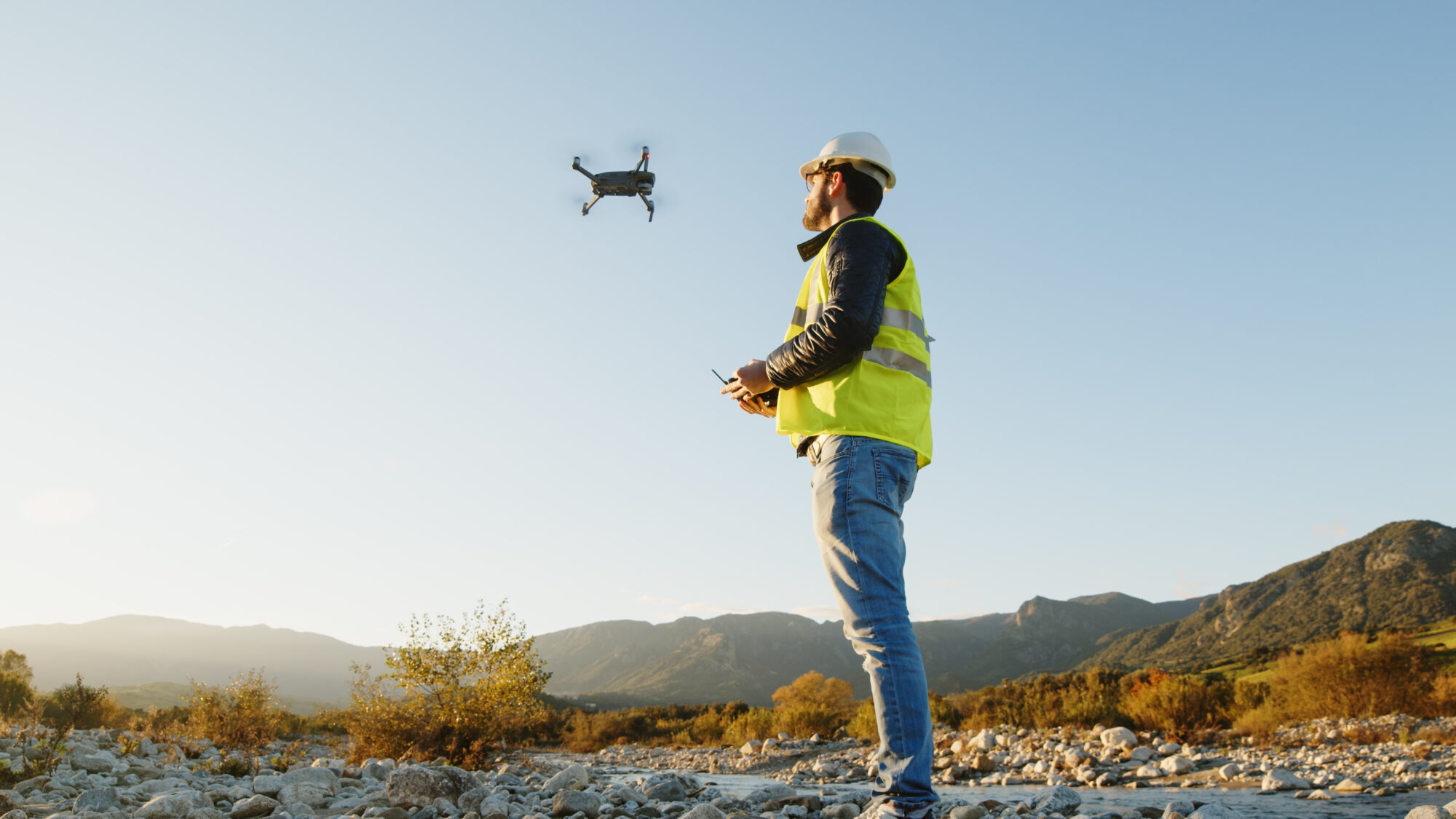
Today, drones are very visible in Romulus. Uses range from emergency response to mosquito-control inspections in the wetland areas around DTW.
“You can see a number of drones flying in and around the city,” Krause said.
Drone antennas can see real-time traffic, flight paths, and the location of UAS devices. The city has a drone policy that regulates drone usage and educates the community on how to fly them.
The city has hosted Friday Night Flight events at high school football games to promote STEM (science, technology, engineering, and math) education and career pathways in unmanned aerial aviation for students. The Romulus Athletic Center also hosts a two-day drone competition in January and February with 32 schools participating.
Krause has started to see drone technology as a business recruitment tool throughout Romulus, with Amazon’s distribution capabilities, as well as other companies interested in drone delivery. He also sees a great chance to boost manufacturing in the area by working with the Detroit Region Aerotropolis board to encourage communication between suppliers when requesting parts that could be delivered to manufacturing plants within hours by drone instead of days using more traditional transportation methods.
Having a proof of concept in place – using drones in what would be considered a difficult airspace and working with other businesses to make it happen – places Romulus in an attractive position to bring in new opportunities.
In terms of workforce, increased drone usage will likely create future employment for people who can service and inspect unmanned aerial aircraft. For example, drones may need software updates, creating a potential new job opportunity that could lead to academic programs designed to provide technical skills.But the benefits of drones in Romulus are not limited to economic development and education. Quality-of-life challenges, such as noise and air pollution, and the preservation of green space can be addressed with virtually zero carbon emissions, Krause said.