Florence: From Crossroads to Destination
Florence has always been a crossroads city, sitting at the junction of Interstates 95 and 20. For decades, that meant travelers passed through. Now they’re stopping, staying, and spending.
Sports tourism generates an estimated $12.5 million in annual impact within the city and attracts more than 50,000 visitors each year.
The crown jewel is the Dr. Eddie Floyd Tennis Center, a 30-court complex that alone generated more than $6 million in economic impact in 2023. The USTA’s southern region, encompassing nine states, awarded Florence its inaugural Outstanding Parks and Recreation Department Award in January 2024.
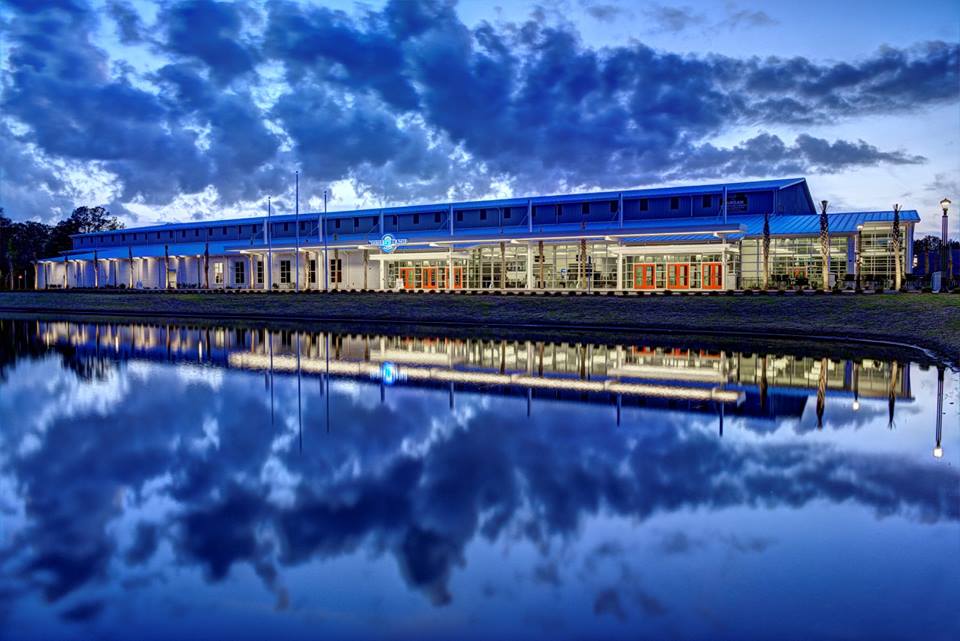
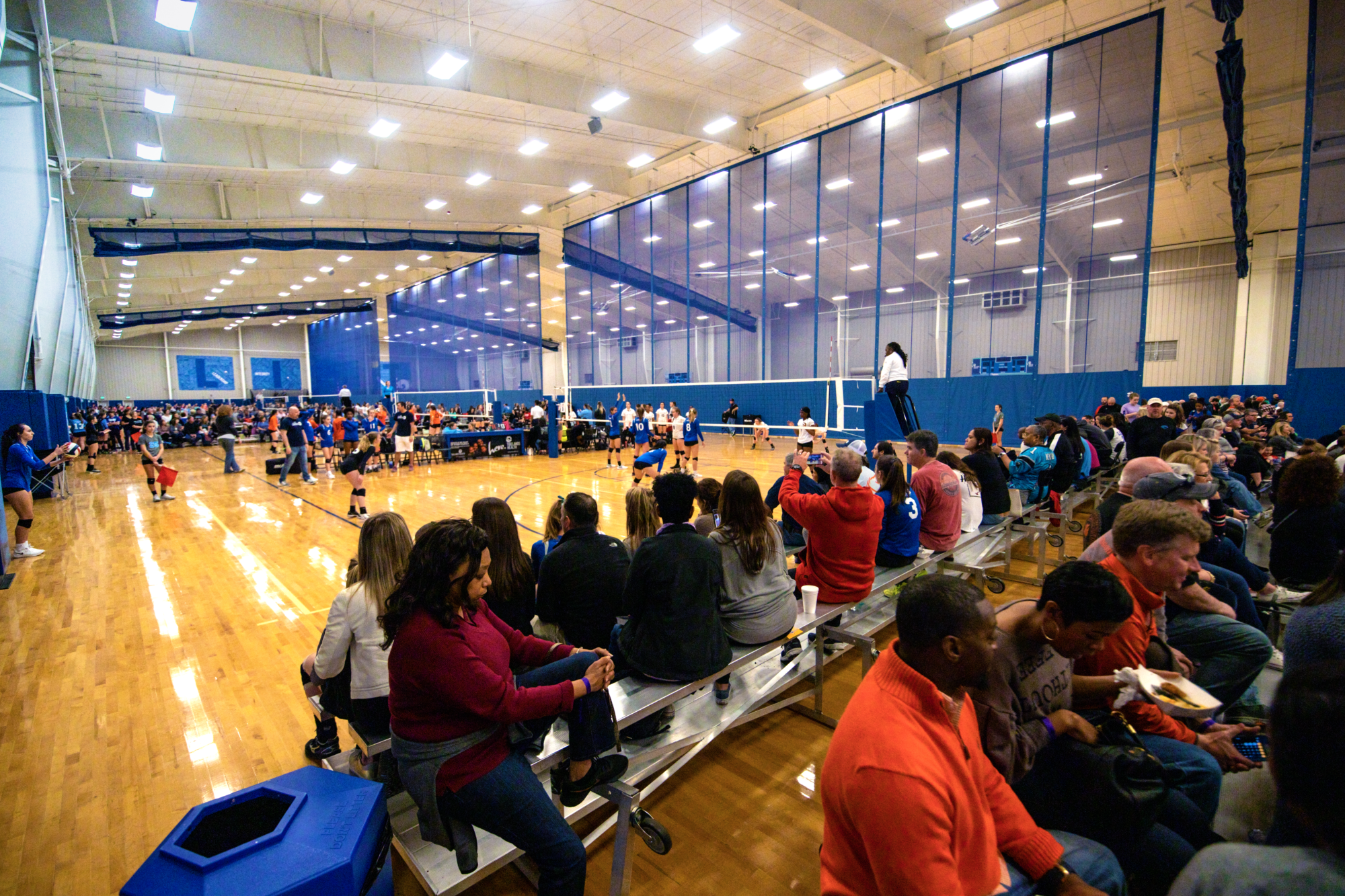
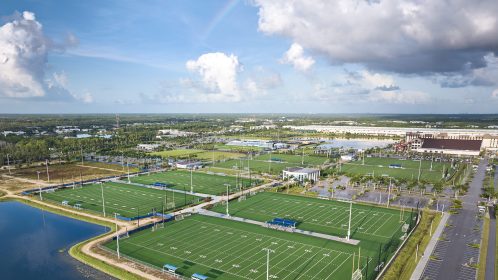
The city has also built a 14-field soccer complex, the Pearl Moore Basketball Center (a 31,525-square-foot arena with three high-school-size courts), and the Florence Sports Complex, featuring seven baseball fields, including Carolina Bank Field, home to the Florence Flamingos of the Coastal Plain League, plus an eight-lane collegiate track. The Municipal Association of South Carolina recognized that Florence’s sports tourism economic impact grew from $8.2 million in 2018 to $12.2 million by 2022.
Across Florence County, total sports tourism impact now exceeds $15 million annually, according to the Florence Convention and Visitors Bureau, as reported by The Post and Courier. City leaders are floating $20 million in new projects to grow that number by 50 percent over the next three to five years. “We’ve recognized the power, the fiscal impact, or financial impact, the economic impact that sports tourism brings to the area,” City Manager, City of Florence, Scotty Davis told The Post and Currier.
Greenville: A $2.5 Billion Tourism Economy With Sports at Its Core
Greenville’s transformation from shuttered textile town to one of America’s most celebrated small cities is well-documented. What doesn’t get enough attention is how deeply sports infrastructure has been woven into that story.
Tourism delivered a $2.5 billion economic impact to Greenville County in 2024, according to VisitGreenvilleSC’s annual report. Visitors generated $201 million in taxes, hotel revenue growth outpaced Chattanooga, Knoxville, Birmingham, Charleston, and Savannah, and passenger volume at Greenville-Spartanburg International Airport topped 3 million for the first time in 2025, as reported by Greenville Business Magazine.
The prime example is Fluor Field, home of the Greenville Drive, a Boston Red Sox Single-A affiliate. Privately constructed in 2006 in the city’s then-blighted West End, the ballpark attracts an estimated 500,000 visitors every year.
An economic impact study by Tom Regan at the University of South Carolina, commissioned by VisitGreenvilleSC, revealed that Fluor Field has produced a total of $288.5 million in economic impact over the last decade, with $34 million in 2024 alone. Since its construction, 433 new business permits have been issued within half a mile, resulting in an estimated $277 million in new business activity.
“As we look at Greenville today, we are proud of the role that Fluor Field has played, serving as the catalyst for the renaissance of the West End over the past 20 years. It has been nothing short of amazing to witness people of all ages and backgrounds gather at Fluor Field and the emerging West End Entertainment District to enjoy all that Greenville has to offer,” Craig Brown, owner and chairman, Greenville Drive, told Greenville Business Magazine.
The Bon Secours Wellness Arena, a 15,500-capacity venue hosting approximately 130 ticketed events annually, has contributed more than $2 billion in cumulative economic impact since opening in 1998, according to SC Biz News. A proposed $150 to $170 million renovation and surrounding entertainment district signals that Greenville has no intention of coasting.