Ways to Encourage Behavior Changes
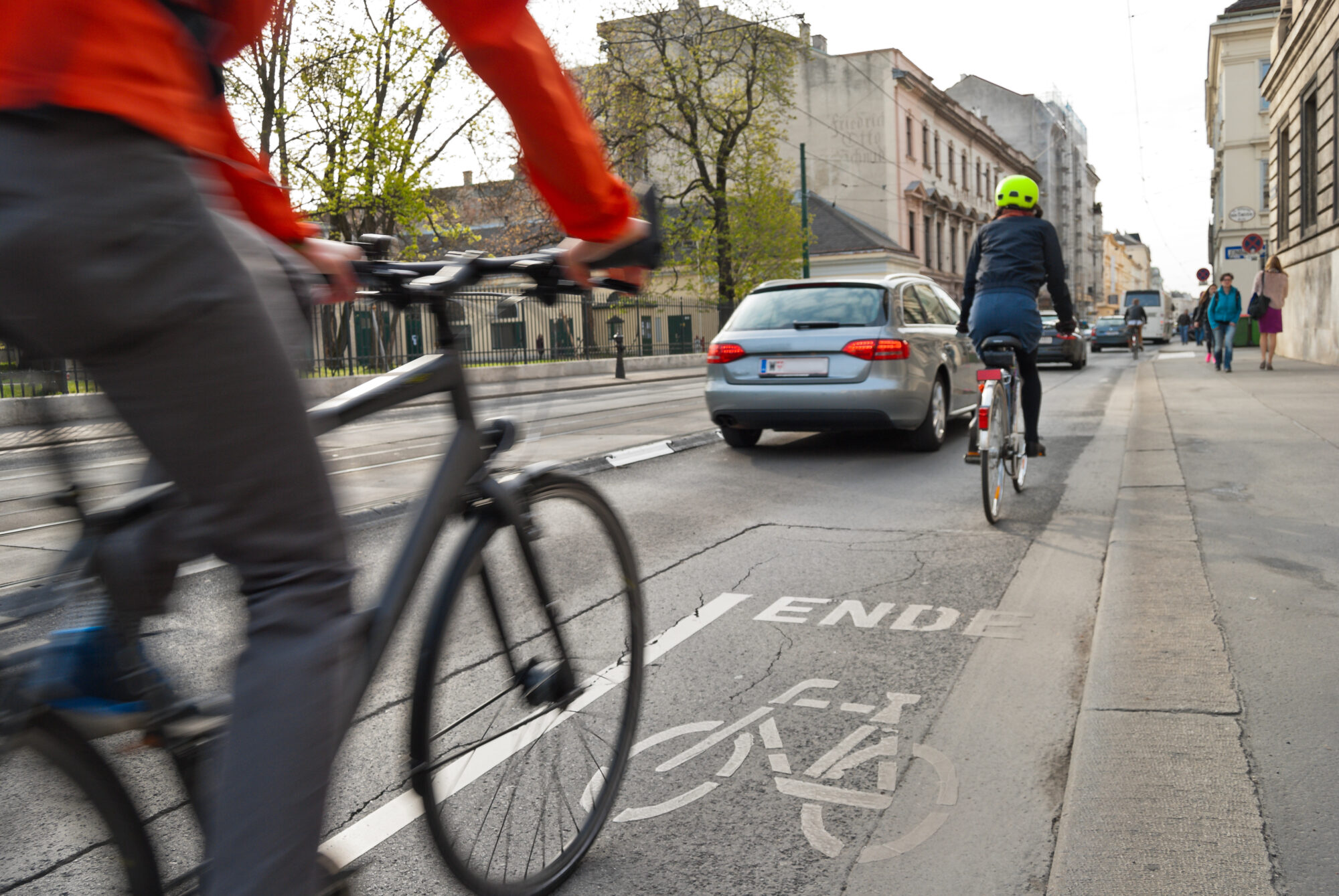
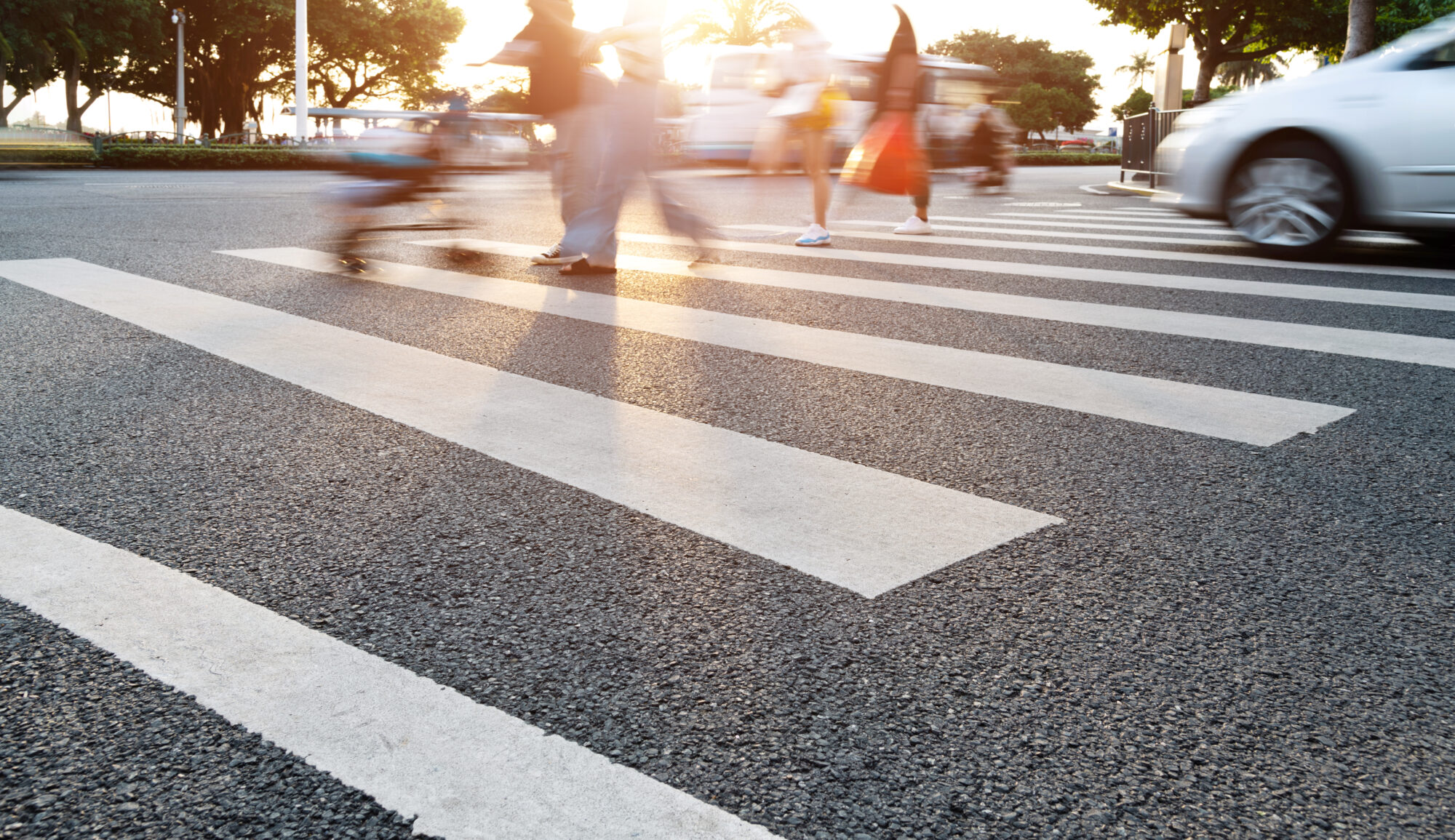
While reducing speed is the most effective way to reduce pedestrian deaths, it’s far from the only strategy. In Philadelphia, they’ve also studied and begun implementing a plan to separate pedestrians and bicyclists from traffic. This work includes dedicated bicycle lanes, improved pedestrian crossings, and better-connected sidewalks.
“You need to make sure where you have a lot of pedestrian generators, like places with (public) transit or around schools or downtown, it’s fully connected,” Mr. Gorini said. “Anticipate where people are walking.”
This was the idea that Councilman Anderson said propelled his plan. He said people were approaching cars from the medians, and other pedestrians were jaywalking to avoid certain intersections as a result.
“We are taking a variety of approaches,” he said. “It’s not as easy as sitting down and creating a planned community. Ours organically grew over 350 years. Cars are vital for the economic well-being of communities like ours, which won’t ever have the public transportation piece.”
He said another way to keep pedestrians safe in Dover involved using high-tech crosswalks, which were first installed near the high school. Signs start flashing when a person approaches, making it less likely that people will jaywalk and more likely that drivers will stop. Councilmembers passed a law requiring drivers to yield, too.
He also wants to make sure the lights are timed to allow pedestrians to comfortably cross the street — especially on highways, where speeds are highest.
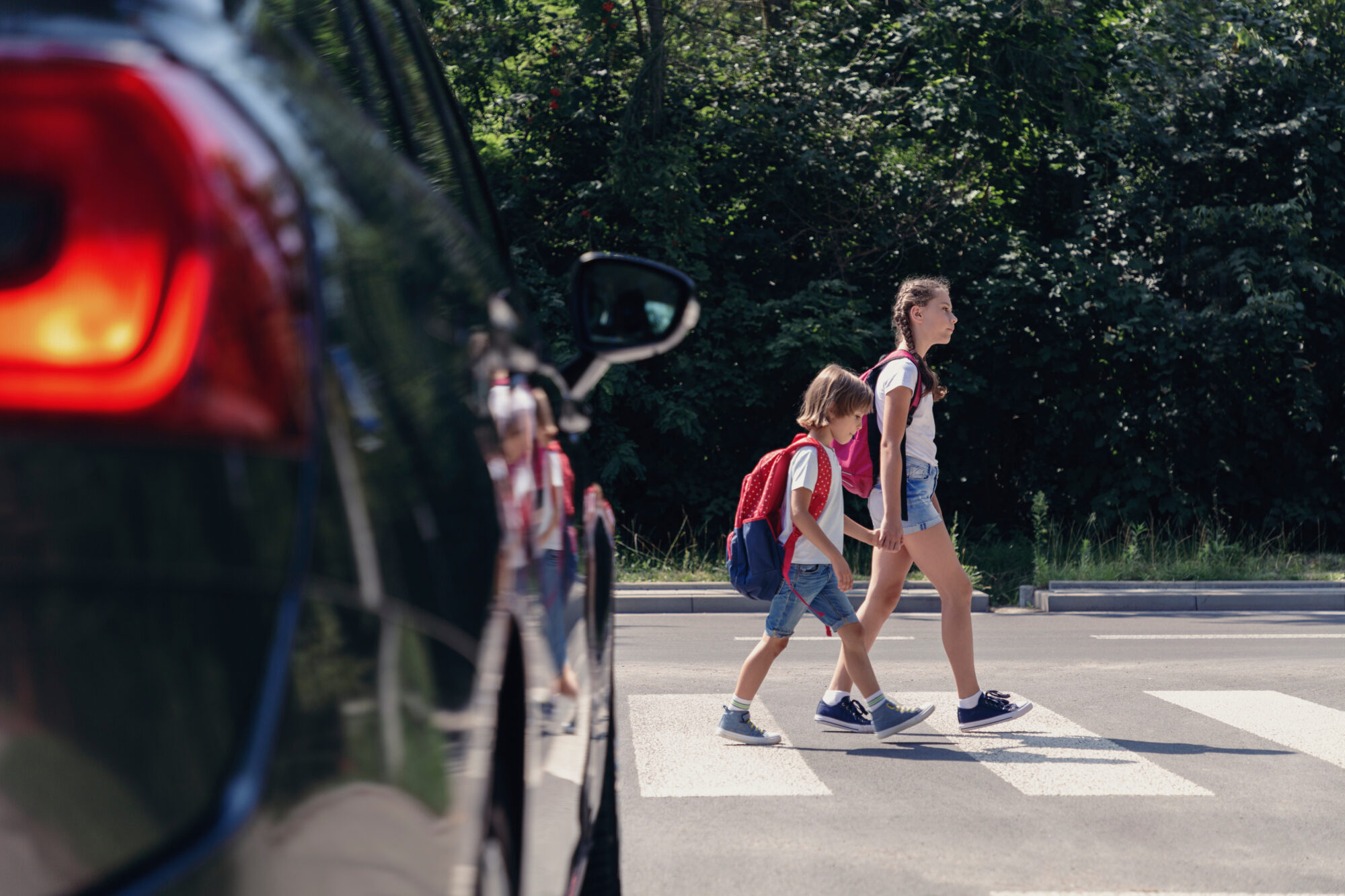
In Philadelphia, they’ve focused educational efforts on children, who are involved in four crashes every week in the city.
“Safe Routes Philadelphia focuses lesson plans around pedestrian and bicycle safety … so kids learn how to be safe road users,” Mr. Gorini said.
Work Collaboratively to Find Solutions
A secret to better pedestrian safety, like most things in government, is collaboration. In Philadelphia, the Vision Zero strategy includes the creation of a task force consisting of elected officials and city department heads. They meet quarterly and offer direction to five subcommittees that implement the specific elements of the work.
Collaboration is important for funding, too. The city highlights partnerships when applying for state and federal grant opportunities, including revenue from speed camera tickets funneled through the Pennsylvania Department of Transportation.
Councilman Anderson said they’ve had to fund many traffic-calming improvements through the general coffers. In past years, they received more than $1 million in state grants, he said.
Investments in new infrastructure, as well as new proposals for speed reductions, are easier with community approval, Mr. Gorini said. He recommends that community leaders looking to implement a Vision Zero strategy start by listening to residents and prioritizing the most dangerous areas.
“Community input was critical,” he explained. “We had a 12-month outreach process with 80 community groups in total to dig into the types of tactics and strategies that the city could use in the next five years,” he said. “We also did ground truthing with a market research study with 2,000 Philadelphia residents polled.”
While people recognize the problem of pedestrian safety concerns, it still requires a focused effort from many government agencies and support from elected officials to keep pedestrians safe.
“Our goal is to eliminate serious deaths by 2050,” Mr. Gorini said. “We want to get there even faster.”