By
Courtesy of SFC
Communities everywhere are sitting on undervalued assets. From golf courses with shrinking rounds to fairgrounds that sit quiet most of the year to floodplain parcels that scare off traditional development, public land that looks like a challenge can actually be a launchpad. The communities that win are the ones that treat land like a tool, pairing flexible zoning, ground leases, and smart operations to turn dormant sites into destinations.
The Power of Underused Public Land
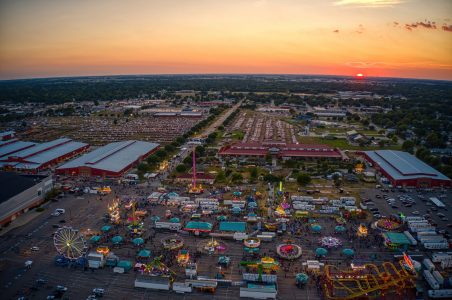
Cities have a long history of turning legacy sites into parks, sports hubs, and event anchors that spark new life around them. Fairgrounds are a perfect example. When they evolve beyond once-a-year schedules and become multi-use venues or programmable districts, they shift from sitting idle for months to consistently drawing people, activity, and spending.
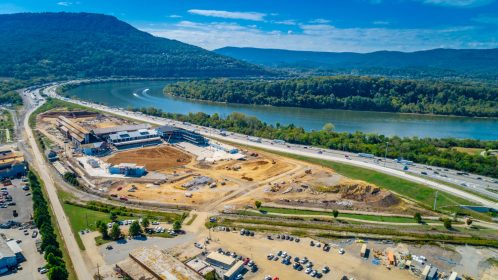
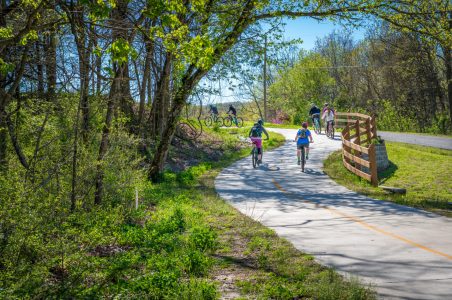
Even parcels that seem challenging on paper — flood-prone, oddly shaped, or constrained — can become real community assets with the right program. Fields, trails, open space, and sports or event amenities that can handle, shed, or bounce back from water work especially well when paired with creative financing tools that lower the cost of public-private investment.
Ultimately, underused public land often isn’t in the wrong place — it just has the wrong program. Change the program, and you change the trajectory.
As Ken Hira, President of Kosmont Companies, an industry leader in economic development and real estate advisory, puts it: “Open space is today’s anchor tenant. The consumer is looking for experiences, not just transactions.”
His point reflects what cities everywhere are seeing: people gravitate toward places where they can gather, play, walk, and linger, not just shop.
Creative Ground Leases and Asset Management
“Land is currency. When cities own it, they have leverage — if they’re willing to get creative,” Hira says. When a city controls the dirt, a long-term ground lease can convert public ownership into a predictable revenue stream that helps fund site work, operations, or debt service while keeping long-term control in public hands.
That lease revenue can be stacked with other economic development tools, such as tax increment districts, tourism improvement districts, site-specific sales or ticket taxes, and value-capture zoning, to close capital gaps and increase feasibility.
The playbook works best when paired with professional asset management. Cities that secure a ground lease or retain ownership, then engage experienced operators to program events, market the venue, and report on outcomes, tend to see both community and economic returns sooner and more sustainably.
Courtesy of SFC
Real-World Examples
Norco’s 120-acre Transformation
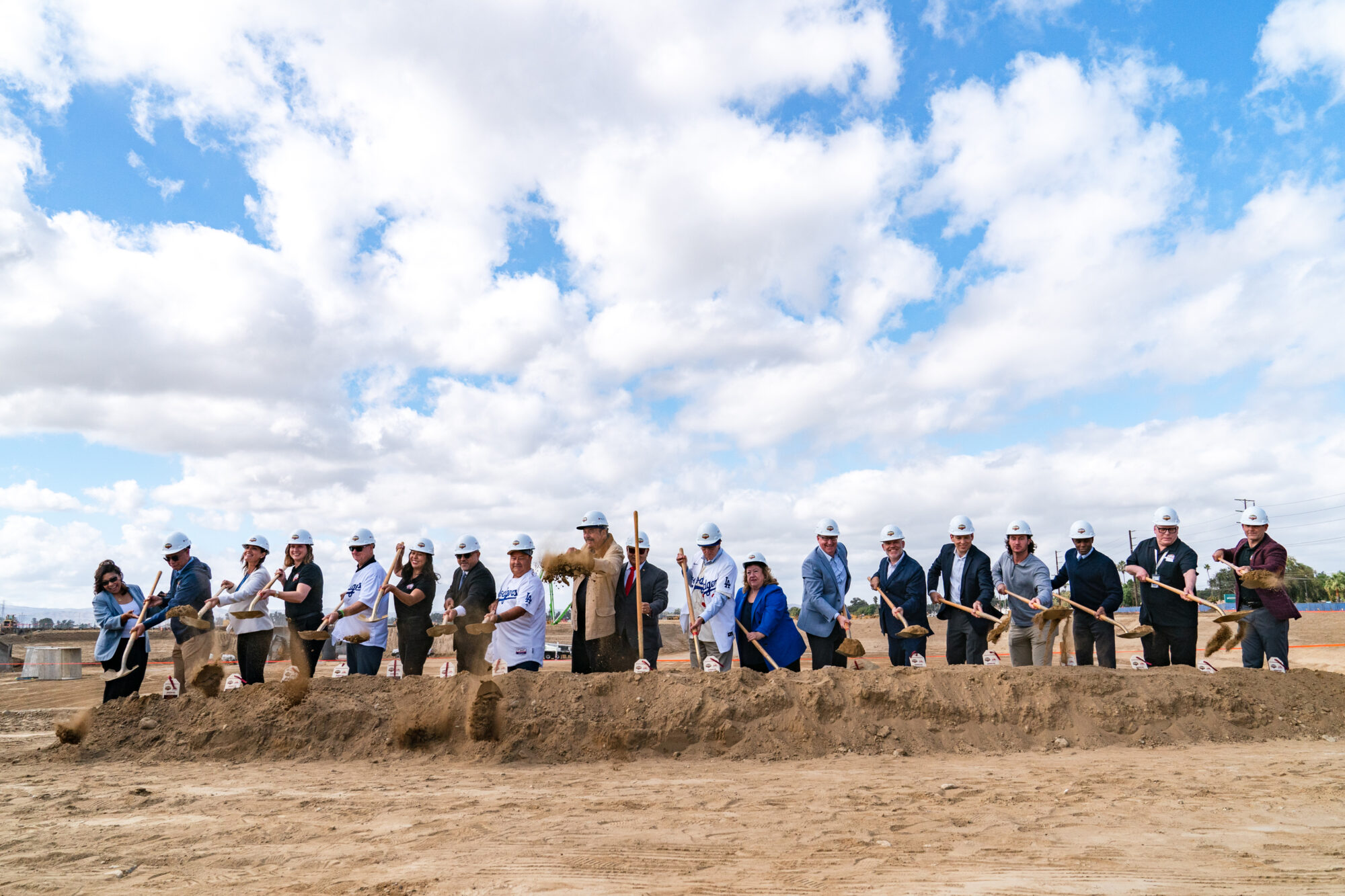
Norco, California, fondly known as “Horsetown USA,” turned a city-controlled 120-plus-acre site into SilverLakes Equestrian & Sports Park through a public-private approach that matched public land control with a private developer-operator, explained Hira. “Land, when leveraged correctly, becomes a powerful public asset,” he adds.
The result is a destination for equestrian events and field sports that attracts visitors and spending while aligning with local identity. It is a textbook case of a city leveraging land control through private delivery and ongoing activation.
Cities need flexibility in zoning and policy, while developers need to understand community priorities. Successful partnerships require collaboration and adaptability. “Flexibility on the municipal side and collaboration on the development side — those are the ingredients of a successful P3 [public-private partnership],” says Hira.
Macon, Georgia: Rhythm & Rally Sports & Events
Inside the former Macon Mall, Macon-Bibb County and partners converted a dormant department store into Rhythm & Rally Sports & Events, the world’s largest indoor pickleball facility.
The venue features 32 climate-controlled courts across two levels and is designed to accommodate both local play and tournaments.
In the fall of 2023, when initial venue details were unveiled, Mayor Lester Miller of Macon-Bibb County noted in a press release, “We have a strong pickleball community here in Macon, one that is welcoming of all people, whether they are local and wanting to learn how to play or are visiting here for a tournament. With Rhythm & Rally, I see that community growing even larger, stronger, and closer together, all while attracting larger tournaments.”
Visit Macon estimates Rhythm & Rally generated about $5 million in economic impact in 2025.
Ontario, California: Ontario Sports Empire
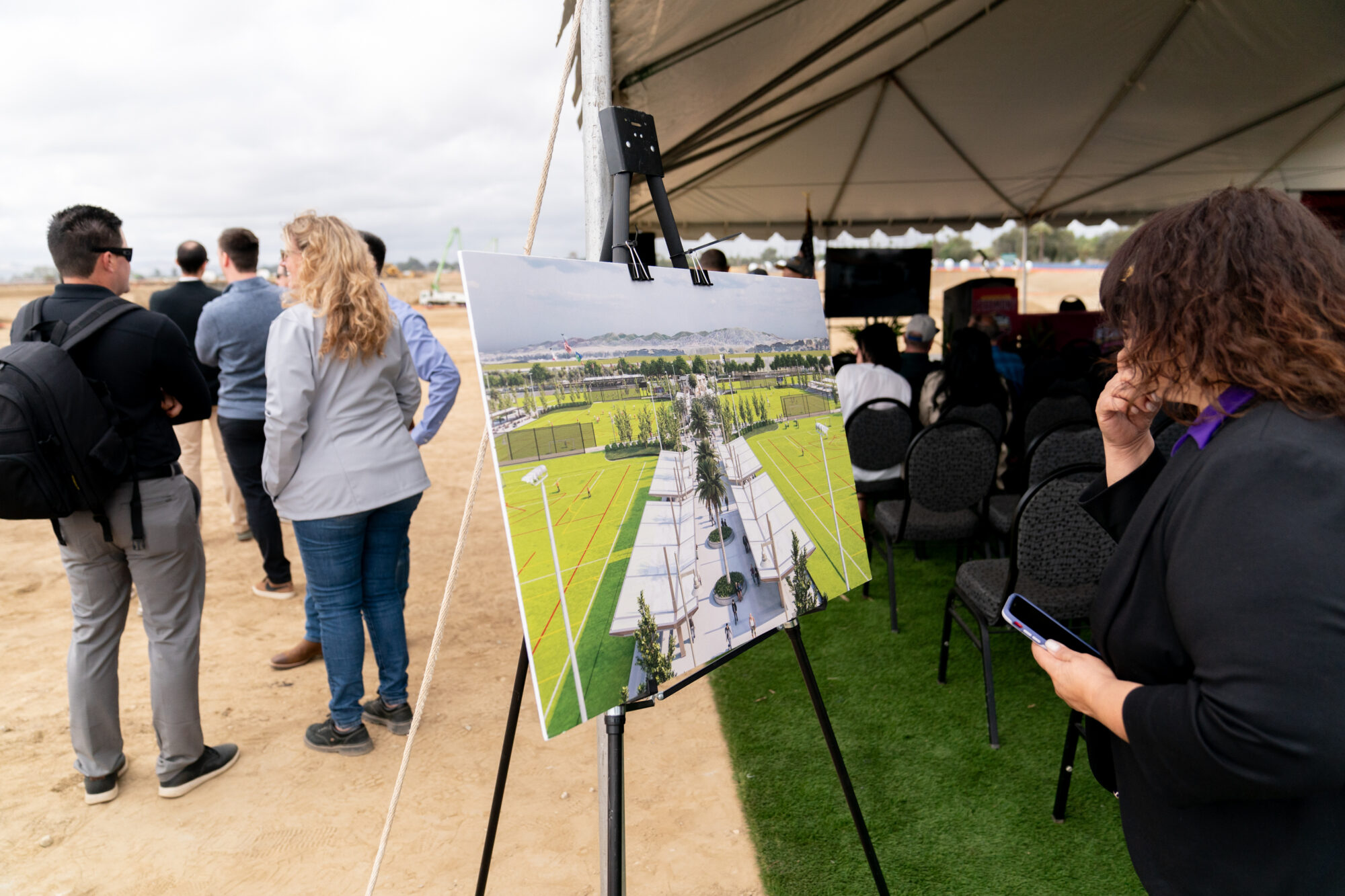
Ontario Sports Empire in Ontario, California, turns public vision into a regional engine. Spanning 190 acres, the complex is partially funded by Measure Q, the voter-approved 1 percent sales tax, aligning dollars raised locally with amenities that keep spending and jobs close to home.
With a program built around year-round tournaments and events, the destination is expected to attract traveling teams and spectators while creating a steady calendar for local vendors, hotels, and restaurants.
“The Ontario Sports Empire is a catalyst for our city’s future,” Ontario Mayor Paul S. Leon said in a recent press statement. “This project will bring new jobs, boost tourism, create lasting opportunities for our local businesses, and provide a vital space where families, community members, and sports enthusiasts can thrive. It’s an investment in our shared prosperity and quality of life,” he added.
Ontario Sports is projected to generate $70 million in annual economic impact, support nearly 700 jobs, and attract 1.2 million visitors annually once it opens in the fall of 2026.
Courtesy of SFC
How to Start
Inventory your land. Map idle, underperforming, or flood-prone parcels and score them for visibility, access, utilities, and adjacency to population and hospitality.
Decide the role you want to play. Ownership plus ground lease, concession, or full-service management each carries different levels of control and risk. Align with your capacity and goals.
Build your capital stack early. Pair ground lease revenue with districts, value capture, and tourism tools to reduce the cost of capital and accelerate delivery.
Program for year-round use. Design for local recreation first, then layer in weekend tournaments, concerts, markets, and seasonal events to smooth demand and maximize impact.
Measure and report. Track visitor spending, room nights, participation, and community outcomes so stakeholders see the return and momentum builds.
Communities don’t always need a blank canvas to make something remarkable. With the right partners and the willingness to get creative, they’ve got a clear path to convert land into leverage. The projects above show what is possible when public land strategy meets smart finance and daily activation.