
By

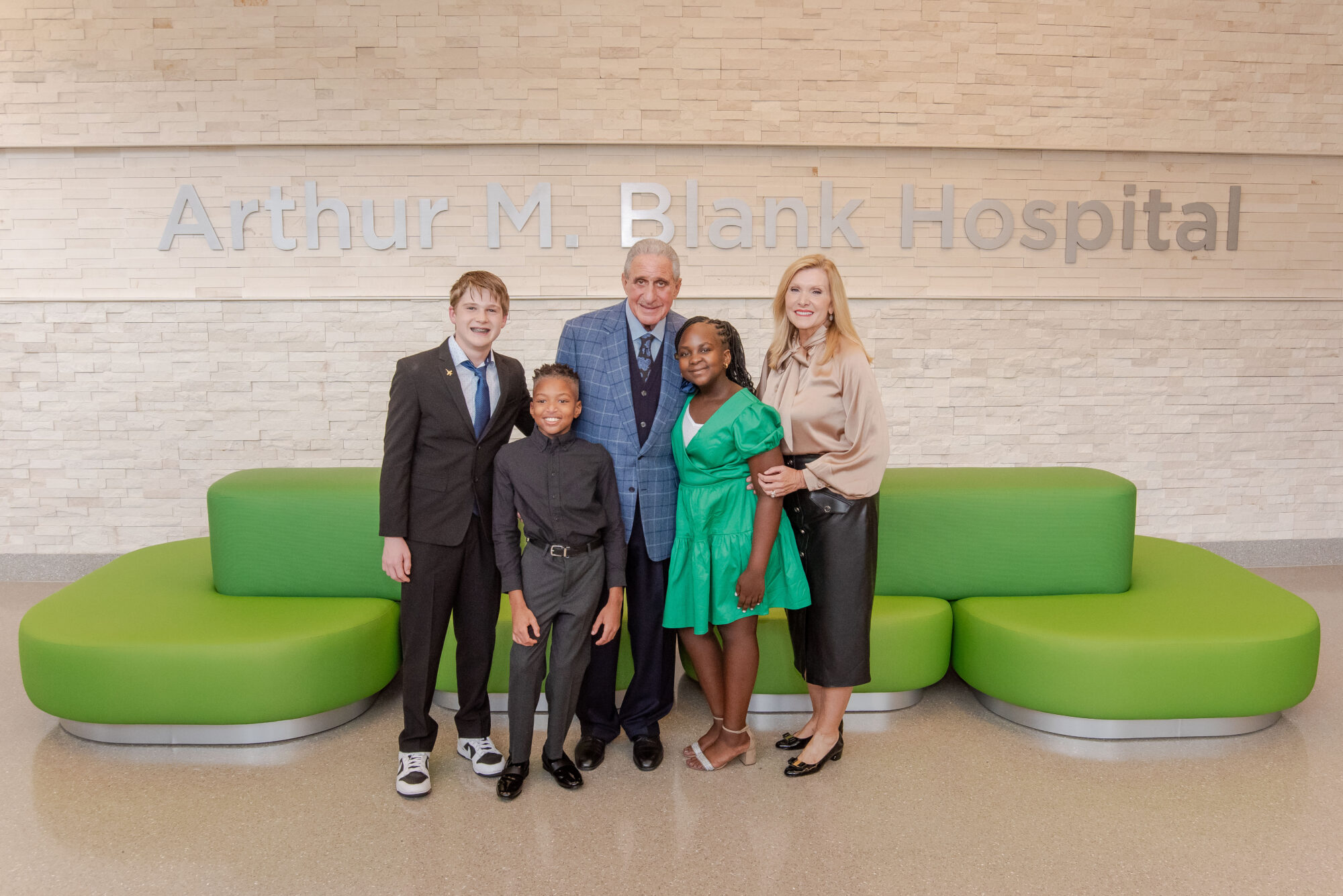
Image Source: Adobe Stock
Arthur Blank, the businessman, philanthropist, and owner of the Atlanta Falcons and Atlanta United FC, is famous for saying there is no finish line. The sentiment is true on the field, as teams renew their quest for a championship each season, but it is arguably more evident in the community-based work.
The Arthur M. Blank Family Foundation has issued over $1.3 billion in grants to support education, youth, parks, community redevelopment, and health and wellness initiatives. Never satisfied, he is already looking ahead to the 2026 FIFA World Cup, which will play eight games, including a semifinal, in Atlanta as a catalyst for future projects.
“Arthur Blank’s philanthropy is deeply rooted in his belief that we should strengthen the communities where we live and work,” says Fay Twersky, president of the Arthur M. Blank Family Foundation.
“His ownership of professional sports franchises puts him in a unique position to leverage the unifying power of sports, and we always love to support young people playing together, learning teamwork, leadership skills, and a positive future orientation. But Arthur’s vision extends beyond this. Through the Arthur M. Blank Family Foundation, he and his family are taking on the key issues of our day, like mental health and climate change, so that we can improve the world one person, one family, one community at a time.”
Blank’s efforts are exceptional, as evidenced by the awards he has won, including the 2021 ESPN Sports Philanthropist of the Year. Yet Blank is not alone in using his good fortune through sports to benefit others.
Pro sports teams across the country offer a variety of giveback programs designed to promote a greater quality of life in their communities. Efforts include supporting nonprofits and charities, encouraging youth to participate in sports and maintain a healthy lifestyle, and providing neglected neighborhoods and citizens with access to and opportunities for goods and services they would not otherwise have.
Here, we profile three notable examples of where professional sports franchises have stepped up to the plate for their hometowns.
Narrowing down Blank’s contributions to Atlanta is challenging, as the co-founder of The Home Depot, he has extended his hand on many fronts, including through sports.
“Giving back and improving the lives of others is in the DNA of our portfolio of businesses,” says AMB Sports and Entertainment Senior Vice President of Community Engagement and Sports Philanthropy Chris Millman.
“Participating in sports benefits kids’ physical and emotional well-being, while teaching invaluable life lessons of teamwork and leadership. Our team strives to increase sports participation for underserved middle and high school youth in Metro Atlanta by providing access to athletics and improving the quality of the sports experience,” adds Millman.
In 2018, he used his influence and resources tied to the NFL’s Falcons to launch a pilot program for girls flag football in Gwinnett County, a suburb of Atlanta. Nineteen high schools participated the first year. Within two years, Georgia was the fourth state to sanction girls flag football as an official high school sport. In 2024, more than 7,000 girls participated in girls flag football at over 270 high schools throughout Georgia.
Without a finish line, the Foundation provided grants to 304 Georgia high schools in the Spring of 2025 to either launch a girls flag football program (45 schools launched a team) or support an existing program for the upcoming season. The efforts benefited more than 9,000 athletes.
In August, the Falcons hosted their fifth annual Girls Flag Football College Showcase presented by Children’s Healthcare of Atlanta. During the event. 200 Georgia high school girls had the opportunity to go through a combine-style workout at Mercedes-Benz Stadium in front of college coaches from the NCAA D-II, NCAA D-III, NAIA, and NJCAA levels free of charge.
Fourteen colleges attended the showcase, and 23 offers were made for girls to continue their flag football careers at the next level. More than 150 girls have received offers to play flag football at the collegiate level during the showcase’s first five years.
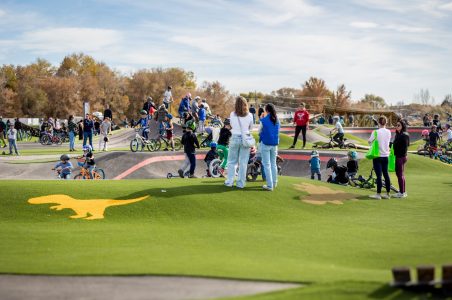
In connection with Atlanta United FC, the wildly popular Major League Soccer team, the Atlanta United Community Fund kicked off its efforts in September 2020 to develop or refurbish 100 mini-pitches, futsal courts, or fields across Georgia to provide access to soccer in underserved communities.
As of Fall 2025, $4.8M has been invested in building GA 100 pitches (the international term for soccer fields) across Georgia, with 40 pitches completed or in development. The most recent addition is located in McDonough at Alexander Park. Other new fields are in Decatur, Clarkston, Rome, Rockmart, and Norcross, areas that are benefiting from the presence of high-quality playing surfaces.
Blank also played a significant role in US Soccer, moving its headquarters to Atlanta.
Mercedes-Benz Stadium, home to the Falcons and United, is the first professional sports stadium in the world to achieve LEED Platinum Certification. It is also a driving force for development on-site and in the surrounding neighborhoods.
In 2018, The Home Depot Backyard, a 13-acre greenspace on the site of the former Georgia Dome, added space for arts and culture events, entertainment, and community activation.
The Foundation has also donated $106 million to Atlanta’s Westside since 2007. Recent grants include $10 million to establish 1,750 new affordable housing units and $6.2 million to provide 200 female residents in the Westside with guaranteed income over three years to increase their financial stability.
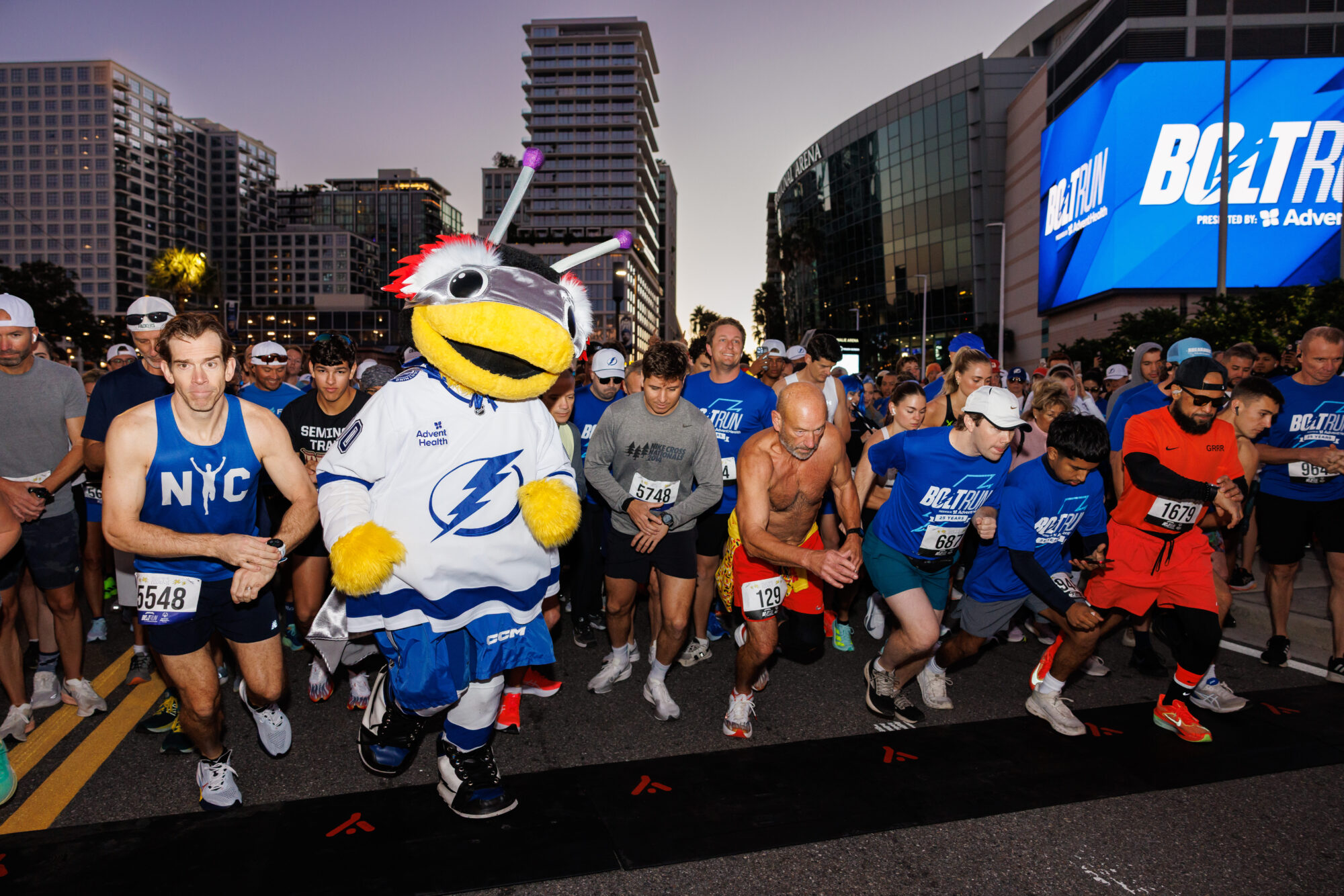
Image Source: Tampa Bay Lighting
When Jeff Vinik became owner of the Tampa Bay Lightning in 2010, the NHL franchise’s charitable work was minimal at best. Just as the team went on to become a star on the ice, winning two Stanley Cups under Vinik’s tenure, the franchise is a standout for its work off the ice as well.
Elizabeth Frazier, executive vice president of Community Development and Social Impact at the Vinik Sports Group and executive director of the Lightning Foundation, has spent the bulk of the last 15 years implementing giveback opportunities. In that span, the organization has donated nearly $70 million to the Tampa Bay area.
The most visible aspect of the efforts is the Lightning Community Hero program. At each home game since 2011, a local community champion has been awarded a $50,000 grant designated to the charities of their choice. Overall, in 14 seasons of the program, the Lightning have celebrated 634 Community Heroes and distributed $34.07 million in 1,214 donations to 709 nonprofits throughout the Tampa Bay area.
Frazier notes the program continued despite an NHL lockout that cut into a large section of the season and during the COVID pandemic, when the league, as well as the country, went on lockdown.
“It’s more than just about giving $35 million in donations for the program,” says Frazier. “Even more importantly, it’s educating our fans about all the different ways that they can get back and make a difference. It’s inspirational.”
The Lightning’s efforts also include its Community & Hockey Development program, launched in 2015 to grow hockey in the region. Since its founding, the Community & Hockey Development Team has visited more than 1,150 schools and donated street hockey equipment, handed out over 213,000 Lightning-branded street hockey sticks, and introduced more than 5,000 kids to the game of ice hockey in the Tampa Bay area, according to the team’s website.
Of course, the Lightning winning the Stanley Cup in 2020 and 2021 has certainly elevated interest in hockey and the team as well, Frazier adds.
Initiatives include learn-to-skate opportunities, ball hockey programs, and (naturally) ice hockey experiences for boys and girls. Frazier notes that the team connects sports to STEM through lessons on angles and on how the team keeps the ice at the proper temperature for games and practices.
The youth activities primarily take place at The Lightning Made Training Center, an indoor community center operated by the Tampa Bay Lightning. The facility includes two 60’x30′ ball hockey rinks, a 60’x30′ synthetic ice sheet, and a flexible space used for fitness training and birthday parties.
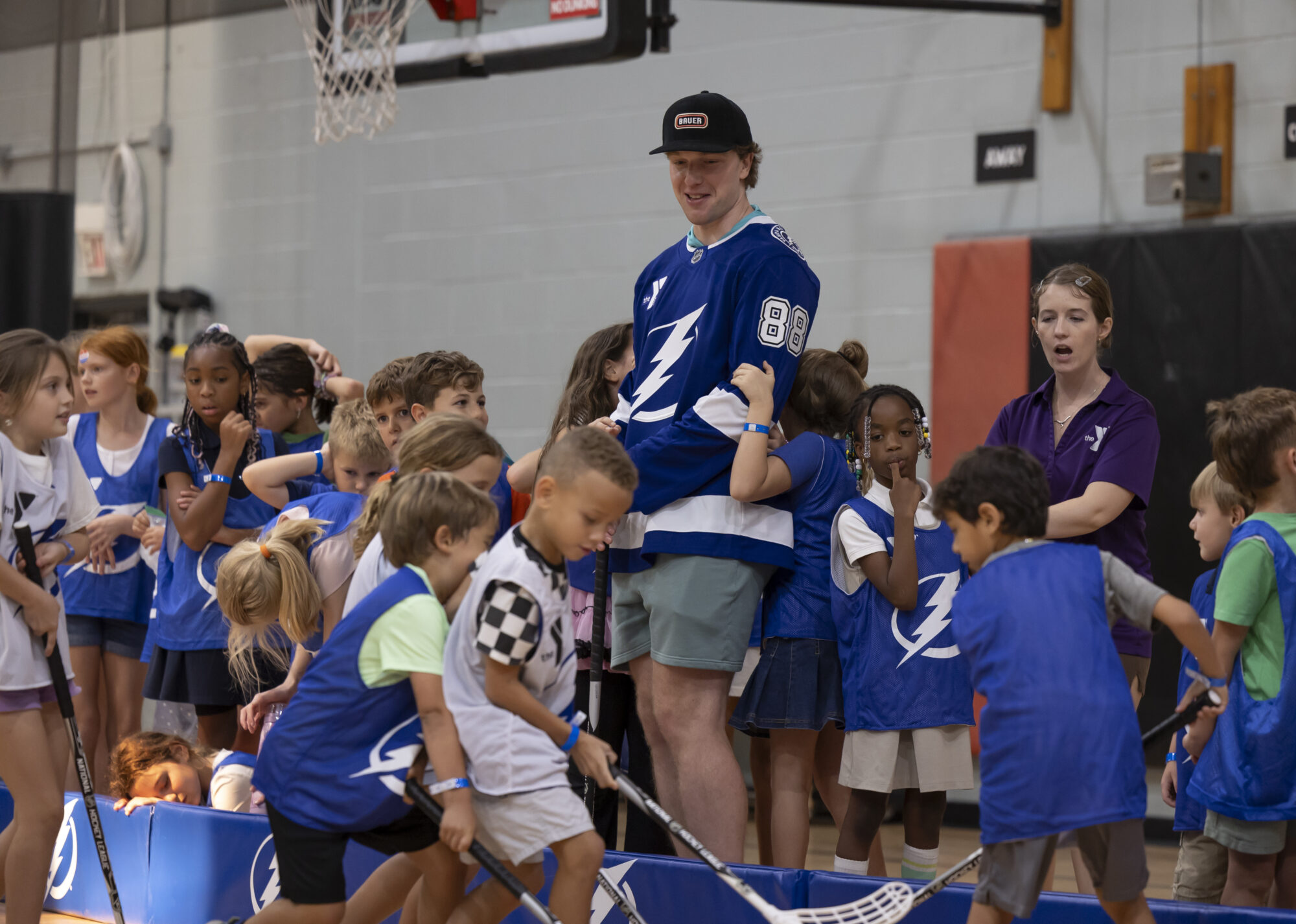
Image Source: Tampa Bay Lightning
The 2019 World Series champions, the Washington Nationals, received the 2024 Allan H. Selig Award for Philanthropic Excellence. The honor was in recognition of a decade’s worth of philanthropic work through the Washington Nationals Youth Baseball Academy, the franchise’s impactful charitable arm.
The Academy combines the use of sports (baseball and softball) as a leadership tool with academic and community enrichment programs. In its first 10 years, the Academy served more than 6,000 children through its after-school and summer programs. Success stories include:
“It’s our responsibility as the representatives of the national pastime in the nation’s capital to invest in the community where we live, work, and play baseball,” says Lauren McCarthy, vice president and executive director of the Washington Nationals Philanthropies.
“The city went without a baseball team for a generation, so we’re building a culture of baseball and using it as a vehicle for positive character development and improved outcomes among area youth who can use it most.”
According to the Nationals, 90 percent of participants demonstrate growth in at least one social-emotional capacity each session, with high percentages enjoying better grades and improved math competency.
Connections to the major league team are built through player ambassadors, who over the years have included Ian Desmond, Anthony Rendon, Josh Bell, and Josiah Gray.
The efforts go beyond athletics, specifically targeting improved access to food. Nationals Philanthropies delivers 100,000 meals each year through the Academy’s weekly produce market (the only year-round option of its kind in D.C.’s Ward 7), healthy-food store, and multiple meal distribution programs.
“A focus on nutrition and food access has been a core value of Academy programs since the beginning,” says McCarthy. “Every initiative has evolved to meet the evolving needs of the community we serve, ultimately resulting in the organization’s delivery of more than 1 million meals into the community since 2018.”