Why Malls Make Sense for Housing
Urban planners have long pointed to malls as some of the most strategic real estate in any community. Their central locations and large parcels make them ideal for redevelopment, particularly at a time when cities need new housing options.
Newsweek described malls as “a potential pressure valve for America’s housing crisis,” noting that more than half of U.S. malls have either closed or are close to closing. Their footprints offer opportunities few other sites can match.
Here’s why the model works.
- They create new supply without displacing existing neighborhoods.
Building on mall property allows cities to add density without upzoning established residential areas, which helps avoid many of the political challenges that come with infill housing.
- They are financially feasible for developers.
Malls already have power, water, sewer, parking access, and road connections. Developers report that these factors make mall conversions more cost-effective than building on undeveloped land.
- They help cities stabilize revenue.
Retail alone is no longer a dependable tax generator, while mixed-use housing brings consistent property tax value, new local spending, and activity that supports small businesses.
- They bring people back to areas that need foot traffic.
Replacing empty corridors with hundreds of new residents strengthens local retailers and creates everyday vibrancy that malls have lacked for years.
Communities Driving the Reinvention
Several cities are demonstrating what the next era of mall redevelopment can look like.
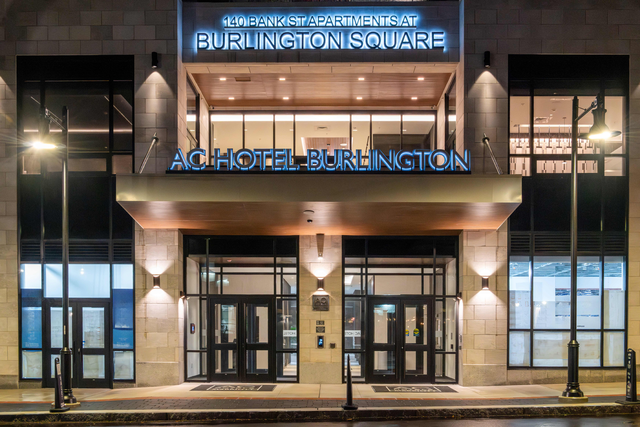
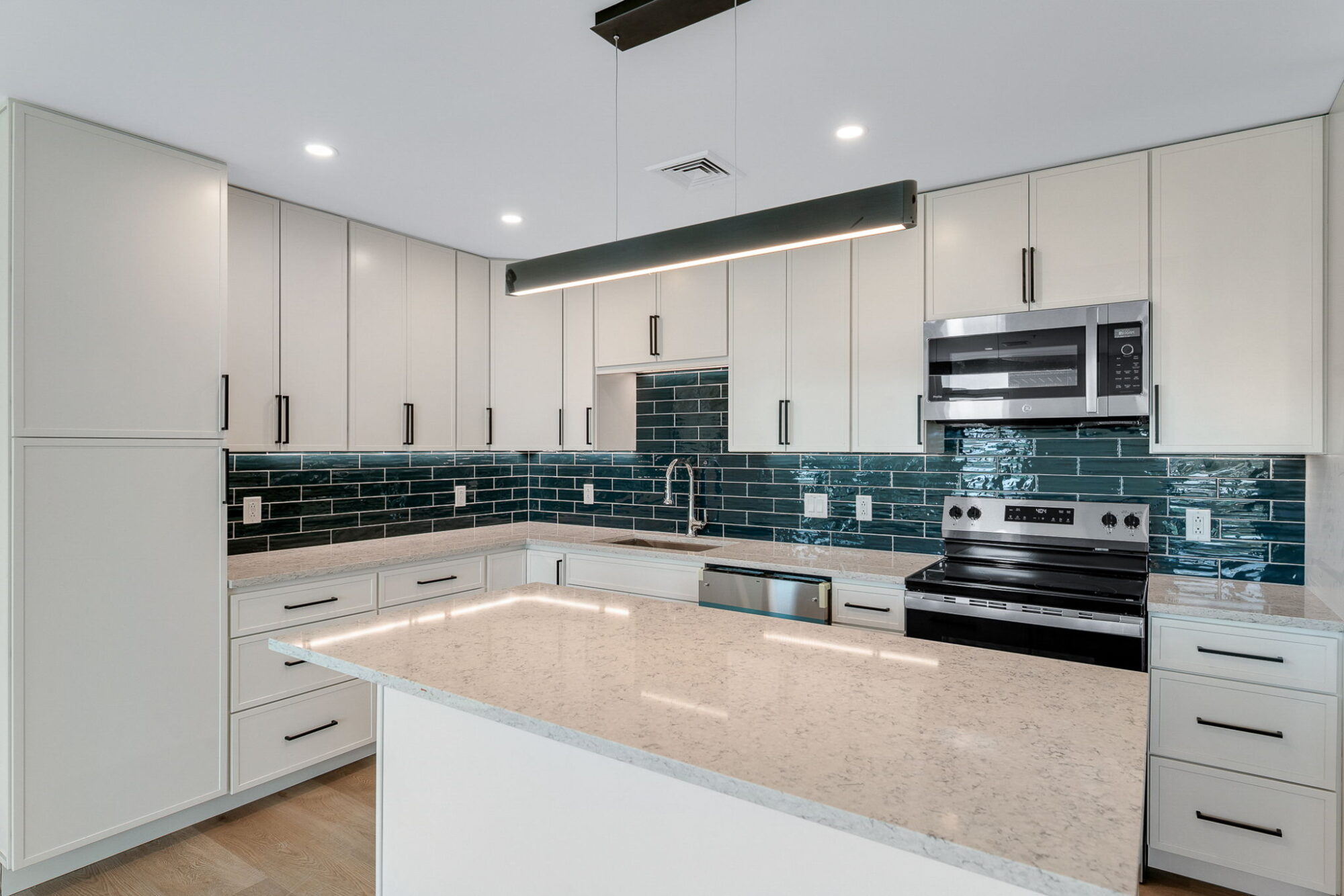
In Burlington, Vermont, the former Burlington Town Center Mall is being redeveloped into a dense, mixed-use project designed to reconnect the city’s downtown area. The Burlington Square redevelopment project delivers approximately 366 new housing units, including a mix of market-rate, affordable, and student apartments, along with 300 hotel rooms, about 40,000 square feet of street-level retail and restaurant space, and 422 parking spaces.
“Beyond the buildings themselves, the project is designed to restore long-disconnected downtown street connections,” said Patrick O’Brien, vice president of S.D. Ireland Companies. “That improves walkability, circulation, and overall integration with the surrounding downtown area.”
On the West Coast, the former Laguna Hills Mall is being redesigned into the Village at Laguna Hills district — a 10-year plan — expected to include more than 1,200 housing units, new dining options, and community gathering spaces.
“People don’t want to drive 45 minutes to get to their destination,” the project’s developer, Stephen Logan, told Spectrum News 1.“They want to be close to where they work and spend their days,” He added. The Village at Laguna Hills will solve that for residents of Laguna Hills and the surrounding area.
Nearby, the Westminster Mall plan proposes 3,000 housing units and an entirely new walkable layout. Local planners say the goal is to create neighborhoods where people can live, shop, and access parks without having to drive across town.
Other cities are following suit.
On the East Coast, Alexandria, Virginia, is transforming the long-vacant Landmark Mall into a two-billion-dollar mixed-use district anchored by a new hospital campus. The project will include housing, green space, and street-level retail. The redevelopment is expected to create more than 2,000 jobs and bring residents closer to employment centers.
In midwestern Ohio, the former Richmond Town Square Mall near Cleveland is being redeveloped and transformed into the $300 million Belle Oaks, a new community with 800 apartments, restaurants, and parks. These efforts illustrate how malls can serve as catalysts for broader revitalization.
Across these communities, the pattern is similar. Malls that once symbolized peak American retail culture are becoming tools for solving housing shortages and strengthening local economies.
The Realities and Challenges
While interest in mall-to-housing redevelopment continues to grow, developers caution that the financial returns are often long-term.
“In many cases, it does not generate strong short-term financial returns,” O’Brien explained. “Mall-to-housing conversions are long-term investments where the primary benefits are realized by the broader community rather than immediately by the owners.”
Over time, he said, these projects can stabilize neighborhoods, increase housing supply, and support local economic activity, but they require patience and a long-term perspective to be financially sustainable.
O’Brien also points to regulatory flexibility as a major factor regarding whether these projects move forward. “Eliminating the requirement that 20 percent of housing units be designated as affordable would significantly improve project viability,” he said, noting that lower development costs could encourage more projects to advance and ultimately increase overall housing supply.
From an economic standpoint, greater supply helps reduce pressure on demand — one of the most effective long-term tools for stabilizing rental prices.
A Look Toward the Future
If the last decade was defined by retail contraction, the next decade may be represented by mall rebirths. Local governments are becoming more open to creative land-use solutions. Developers are incorporating placemaking strategies that emphasize walkability and neighborhood identity. And residents are showing a stronger interest in living closer to daily needs.
Malls were once built for consumption, and today they may be built around connection. For cities, this is not just about filling empty spaces but instead is about shaping what comes next.
As one Orange County leader shared with NBC4, “We are not losing malls. We are gaining neighborhoods.”
The question is no longer whether malls can become housing. It is how many will make the transition and how quickly communities can embrace the opportunity.