By
Image Source: Sand Mountain Park & Amphitheater
When communities imagine new sports or recreation venues, enthusiasm often outpaces evidence. Leaders see the promise of new tournaments, visitor traffic, and community pride. However, without the right data to support it, even the best ideas can grow faster than the market can sustain — leaving projects that cost more, take longer, and fall short of expectations.
That’s where feasibility and market studies help.
What Is a Feasibility Study: Understanding True Demand Before You Build
Consider a feasibility study as an early-stage assessment that doesn’t just forecast numbers but creates alignment between community goals and real-world demand. If conducted properly, a feasibility study can lay the groundwork for a facility that’s successful from its first game day to its tenth anniversary and beyond.
“Right-sizing the facility to the market opportunity is everything,” said Dan Morton, vice president of pre-development services at The Sports Facilities Companies. “Communities have different definitions of success … Maybe it’s operating income, maybe it’s community service, maybe it’s sports tourism, but you can’t achieve any of those without first understanding what the market can support.”
From Vision to Validation
A practical way to frame the process is a funnel that moves from goals to evidence to recommendations, as described by Morton. At the top, leaders define what success means.
The analysis then evaluates demand by drive-time segments: local users within about 30 minutes for weekly classes, leagues, training, and practice; subregional users for more specialized programming; and regional visitors willing to travel four to six hours or more for tournaments and multi-day events.
Fitness use is more convenience-driven and typically centers around a 10-minute trip from work or home, which affects membership and programming assumptions.
Clarity Before Construction: The Why Behind Feasibility Studies
Feasibility studies are the bridge between idea and execution, translating community goals into a program, size, and business model the market can sustain — from concept through funding and design. Done early, they right‑size the scope, clarify trade‑offs, and give funders and stakeholders confidence that plans are grounded in evidence, not assumptions. Most importantly, they align expectations of what success means for residents, teams, and visitors with what the market will actually support.
Feasibility studies help:
Image Source: Adobe Stock
Avoiding Expensive Errors
It’s easy for community leaders to skip the feasibility study step within the development process, thinking it will help cut costs. However, this can defer risks.
Morton has seen projects move into design or construction based on assumptions that later collapse under scrutiny. He has seen groups spend hundreds of thousands on design documents, only to have experts come in and say, ‘Wait, you’re overbuilt, or you’re missing the mark for your market.’ They then end up paying twice — once for the incorrect plan and again to rectify the issue.
Skipping this step often leads to overprogrammed or underutilized venues that fail to meet the community’s needs. Even when such projects succeed, they do so inefficiently, usually requiring last-minute changes and rework that could have been prevented with early analysis.
Differentiation: Finding Your Niche
Another benefit of early feasibility planning is understanding how to complement, rather than compete with, existing providers.
“In most towns, there’s already a YMCA, a parks and rec facility, or a fitness club,” Morton said. “You’ll always share some overlap — basketball courts are basketball courts — but your programming, design, and amenities can be differentiated.”
By mapping what others already offer, planners can identify service gaps and unmet demand. Perhaps the local Y focuses on youth leagues but doesn’t have the space for adult recreation or tournaments. Nearby cities might host weekend baseball, but they often lack multi-sport fields that can accommodate soccer, flag football, and lacrosse.
Those differences help new facilities meet a real market need rather than simply splitting the same players across more venues, and they make it easier to secure funding and community support.
Real-World Results
Rocky Mount Event Center in Rocky Mount, North Carolina
When Rocky Mount, North Carolina, first envisioned its downtown venue, the plan resembled a traditional spectator arena. Feasibility work shifted that thinking.
“We looked at what the city wanted — more people downtown, more restaurant traffic, more activation — and realized a pure arena wouldn’t get them there,” Morton recalled. “We recommended a more flexible model focused on youth and amateur sports density.”
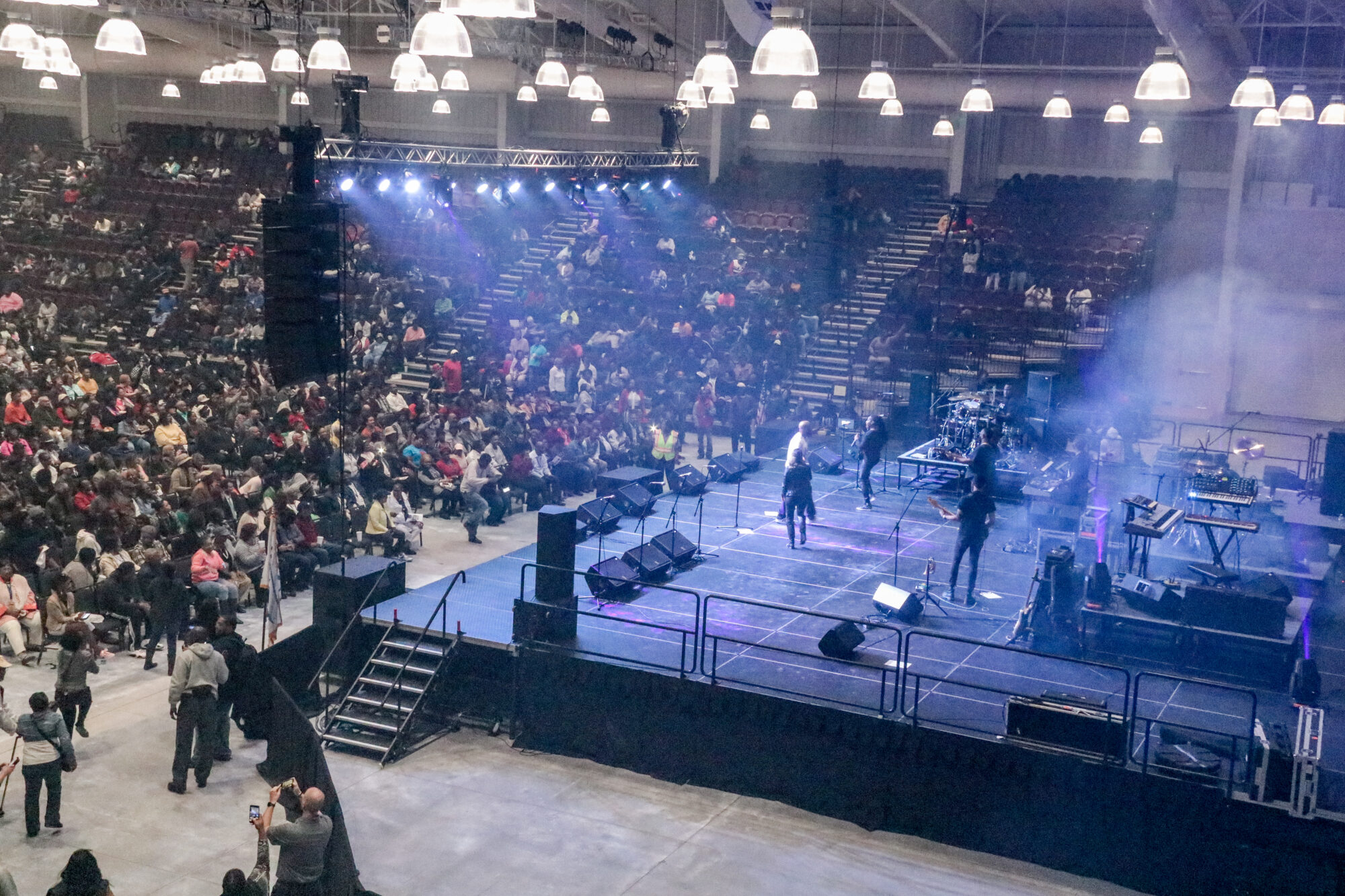
The redesigned facility still accommodates concerts and seated events but prioritizes convertible courts and high-use layouts that draw visitors year-round. The result? A venue that not only met but amplified its original civic goals — creating a steady pulse of activity that supports nearby businesses and complements ongoing downtown redevelopment.
In 2024, the Rocky Mount Event Center hosted 28 tournaments, attracting over 105,000 visitors from more than nine different states. Those events generated $26.77 million in economic impact, underscoring the facility’s dual role as both a local gathering place and a significant driver of regional tourism.
Sand Mountain Park & Amphitheater in Albertville, Alabama
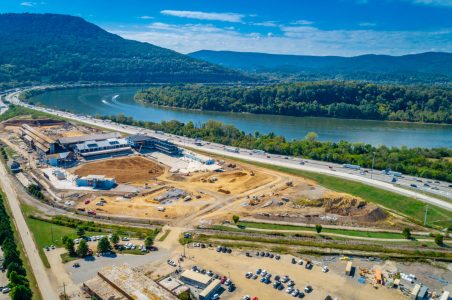
Sand Mountain Park was once a patchwork of aging fields and amenities. City leaders had a big vision: modernize local recreation while creating a destination that could attract visitors and drive economic development.
“Their parks system had just evolved over time,” Morton said. “We came in from the very beginning — walking the old fields, meeting with stakeholders — to design a facility that worked for both residents and visitors.”
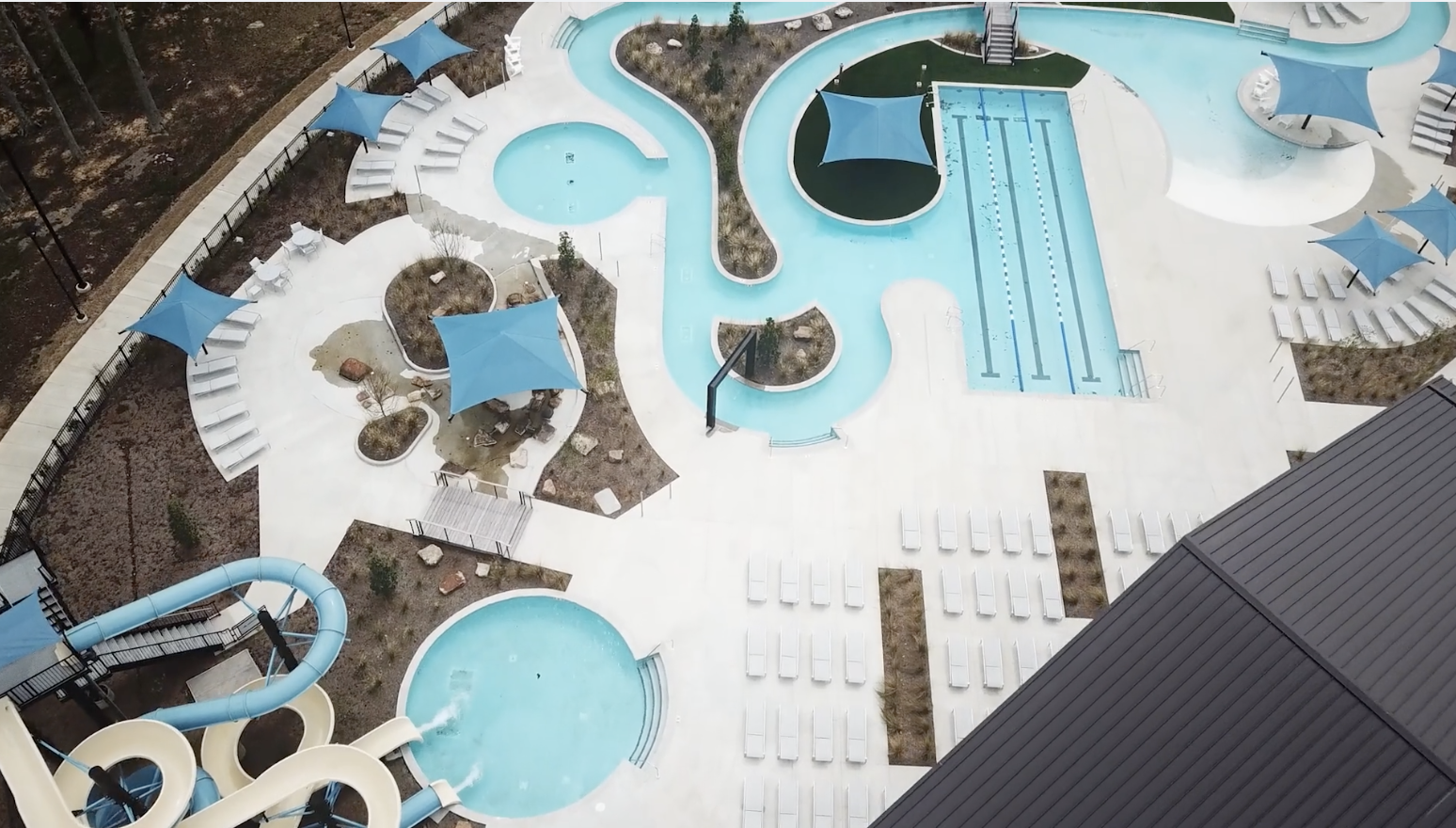
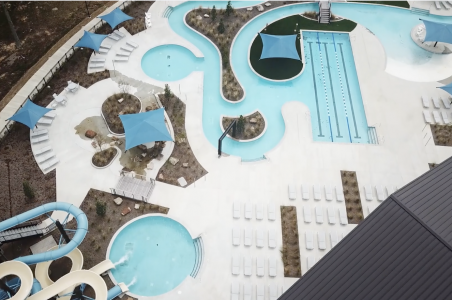
What resulted is a balanced model that combines community recreation, aquatics, sports fields, and an amphitheater for live entertainment within a single regional destination. The $58 million, 129-acre Sand Mountain Park and Amphitheater now welcomes local families daily, driving substantial visitor spending through tournaments and concerts, showing how thoughtful, data-driven planning can connect community service with tourism growth.
“From day one — touring the old baseball fields — the study informed the right mix: amphitheater, aquatics, and indoor/outdoor fields, enabling the city to elevate community programming while driving visitation and economic development,” described Morton. “Today, we operate the facility at scale.”
In 2024, the park generated $22 million in economic impact, fueling new retail and hospitality developments that continue to reshape the Albertville landscape.
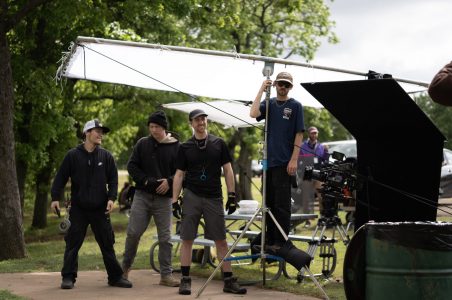
Image Source: Rocky Mount Event Center
How Feasibility Informs the Future
Modern feasibility studies are not a one-and-done report. They’re dynamic tools that evolve with real data.
Morton points to The Sports Facilities Companies’ forecasting model, which continuously updates using performance metrics from hundreds of managed facilities nationwide. “Every week we get new data — participation, revenue, expenses — and we feed that back into our models,” he said. “That helps us predict with better accuracy what a new facility can realistically achieve.”
For cities and developers, this living data offers a clear advantage: it grounds vision in evidence. Leaders can make smarter trade-offs, prioritize high-value uses, and design venues that stay relevant for decades.
Bottom Line
Feasibility isn’t red tape — it’s the foundation of success. Communities that start with market evidence design smarter, seek funding more confidently, and deliver venues that perform effectively.
“When you start with the market and build from there,” Morton said, “you reduce risk, accelerate delivery, and create places that work — for residents, for visitors, and for the regional economy.”