By
Image Source: Debbis Davis
Debbie Davis experienced many sleepless nights after moving her 87-year-old mother, Dessie, from Georgia to her home in DeLand, Florida, and becoming a full-time caretaker.
As well-meaning as Debbie was, her choice caused friction for everyone involved, including her newly retired husband, with whom she had intended to soon enjoy time alone after raising children.
Image Source: Debbie Davis
Dessie, who is recently widowed and has dementia, felt isolated, bored, and alone in an unfamiliar environment. Debbie’s exhaustion caring for her mother exacerbated her feelings of being torn between the needs of her family members. Both felt removed from the lives they knew and loved.
The family’s struggles underscore the challenges associated with loneliness, which the U.S. Surgeon General labeled an epidemic in 2023. While the country’s population is distinctly older than in past generations, the science and care to address the mental and physical maladies stemming from isolation is in its relative infancy.
As a result, municipalities are increasing their role in addressing a persistent problem, as Generation X joins Baby Boomers in the traditional retirement age range.
Many of the programs and services organized and offered by local governments and nonprofits were formed in the past decade, either in the years preceding or during the COVID-19 pandemic, which brought the unspoken truths of loneliness and isolation into the open across the country.
According to an AARP study published in late 2025, loneliness among adults 45 and older is rising at an alarming rate, with 40% of U.S. adults reporting being lonely, an increase from 35% in studies in 2010 and 2018.
Loneliness and social isolation have an increased risk of numerous health outcomes, including:
Other medical conditions, including hearing and vision loss, can also add to isolation. Other contributors include death of a spouse or partner, limited mobility, chronic health issues, and income limitations, notes Deborah B. Schaus, chief executive officer of Aster Aging, Inc., a nonprofit in Mesa, Arizona, serving the greater Phoenix area.
Some symptoms are not obvious.
In a statement to Community Playmaker, the Florida Department of Elder Affairs said, “Often, we can feel isolated even when we are surrounded by others. It’s the degree of connection and fulfillment from relationships that matter most, not how often we socialize or the number of people we interact with.”
Sandra Harris of Boston, a longtime advocate for older individuals and co-founder of the Massachusetts Coalition to Build Community & End Loneliness, notes loneliness knows no bounds. Founded in 2019, the coalition consists of more than 240 members representing nearly 150 organizations, including state- and city-level governments, nonprofits, academic institutions, advocacy groups, thought leaders, and other partners.
“Loneliness isn’t just about older adults,” says Harris. “It’s caregivers, LGBTQ individuals, people who are homebound or disabled, and increasingly, young people.”
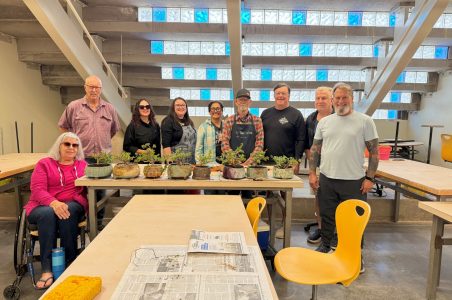
Mesa, which is popular among older and retired individuals due to its weather and economic benefits, has forged public-private partnerships to meet the needs of their citizens, says Laura Wilde, director of studios at the Mesa Arts Center.
“We feel a responsibility to look for people in our community who might benefit from meaningful engagement—especially those at risk of isolation,” she says.
The Arts Center, which is part of the city’s Department of Arts and Culture, launched its Arts in Service program in 2017 to help veterans find a supportive community, relieve stress, and work toward overall health and wellness. The presence of Luke Air Force Base in nearby Glendale and the now-shuttered Williams Air Force Base is responsible for a significant military population in the region.
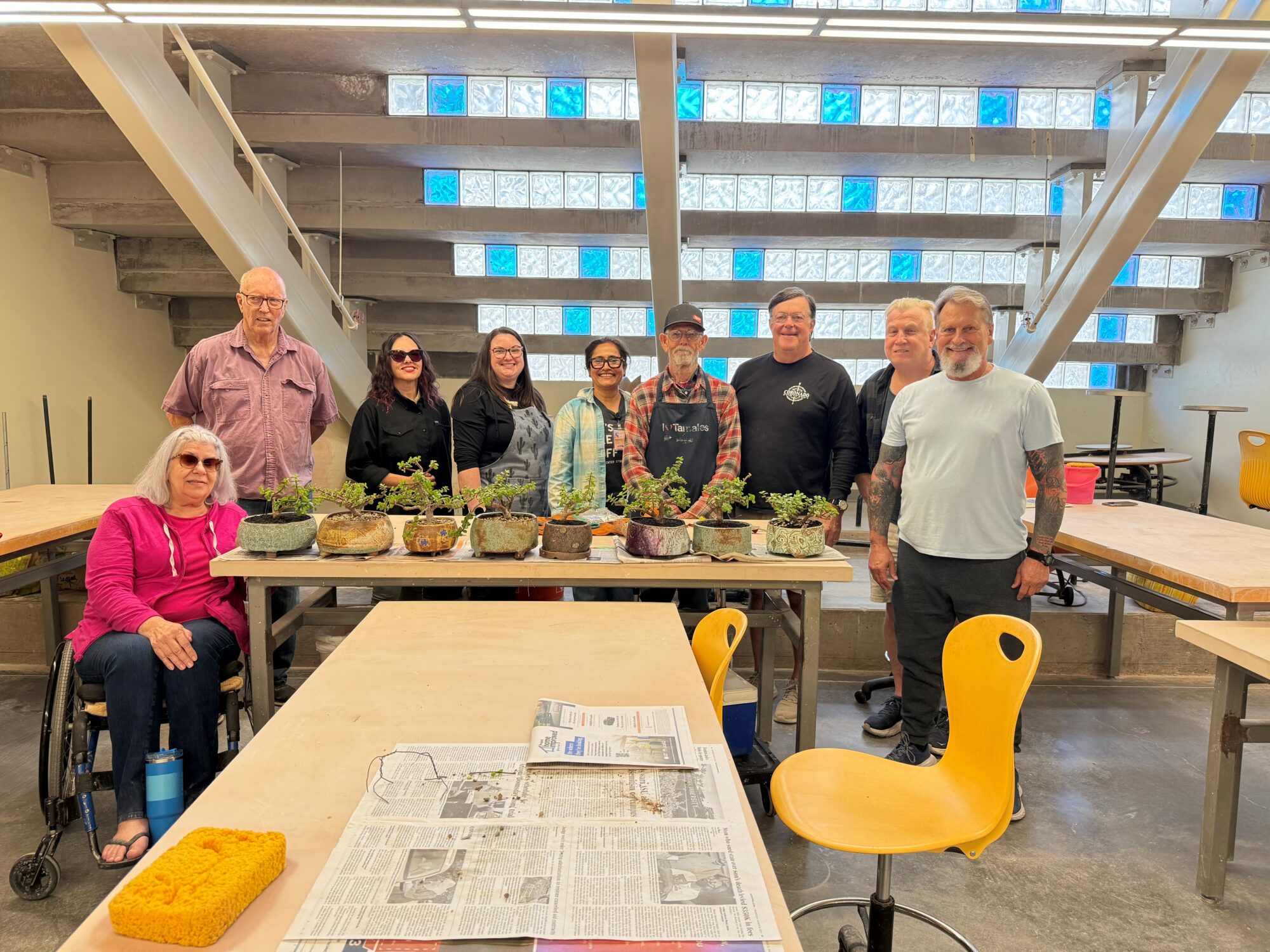
The success of the veterans initiative spurred the Center to add lifelong learning programming for older residents, with some classes specifically designed for individuals with dementia.
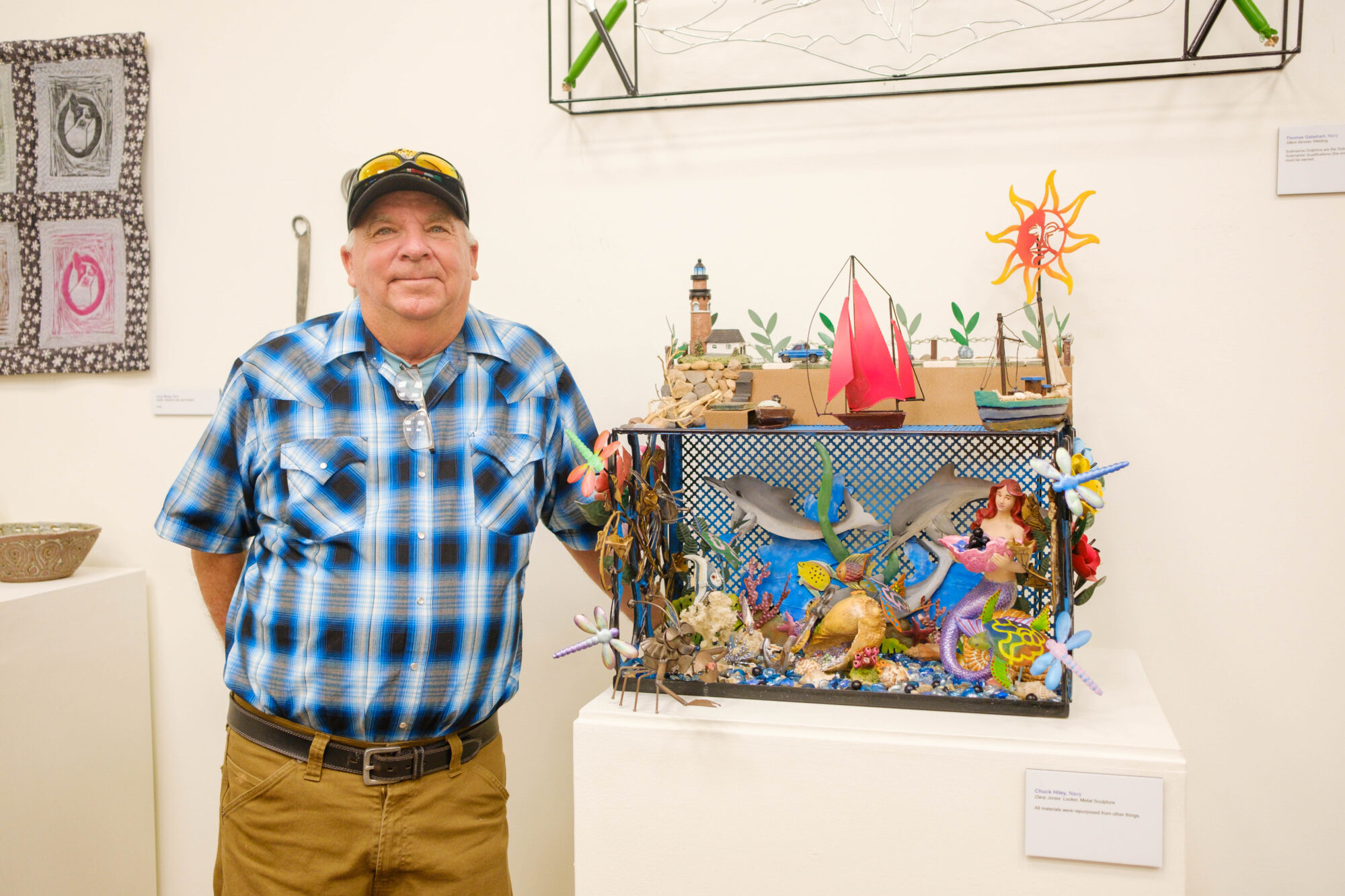
About 300 people participate in arts courses, many of which sell out quickly. Classes are offered year-round during sessions similar to college semesters. Students can submit artwork to be displayed at the Center’s museum during an annual Spring exhibition.
“What starts as a class quickly becomes a community,” says Wilde. “People come back semester after semester, and they support each other.”
Combining municipal support with corporate sponsorships from Boeing and state and federal grants from the National Endowment for the Arts and the Arizona Department of Veterans’ Services has allowed the Mesa Arts Center to keep its classes free to the public, adds Wilde.
Schaus notes that Aster Aging is partially funded by federal and local government departments and receives annual grants for specific programs and deliverables from the cities of Mesa, Chandler, Tempe, and Gilbert.
Image Source: Debbie Davis
A sense of community is felt within Aster, as volunteers over 90 years old contribute to the distribution of newsletters and menus in the mail.
“Aster’s programs and service delivery methods are intentionally designed to empower older adults and enhance their dignity and feelings of self-worth,” says Schaus.
As a case in point, a pet support service Aster offers provides much-needed companionship to older adults and adds purpose. “As one of our homebound Meals on Wheels participants, who is also in our pet support service, recently shared with us: ‘Sometimes I feel like a burden to others. But to my dogs, I am their whole world!’”
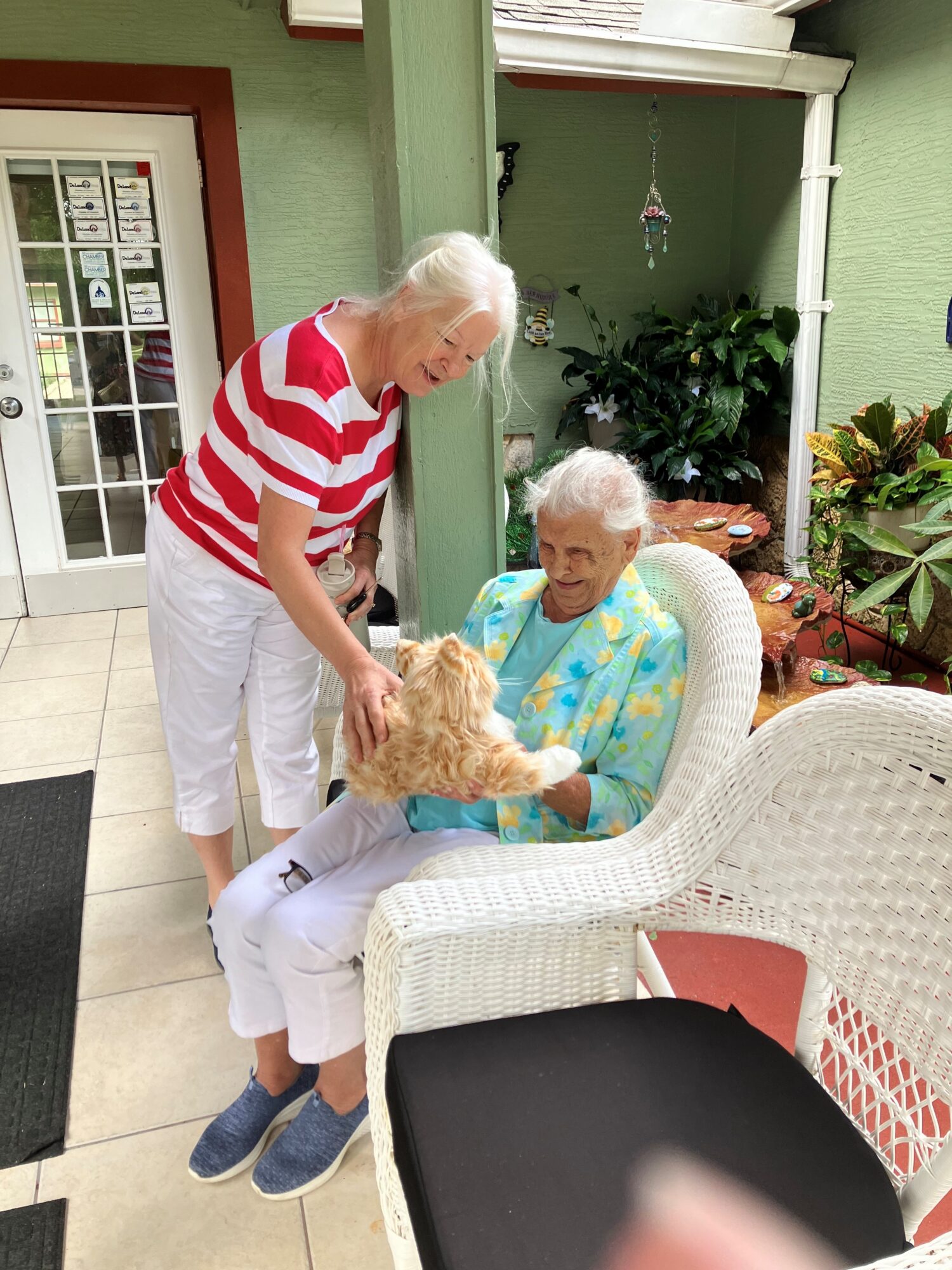
Similarly, the Florida Department of Elder Affairs uses robotic pets to help trigger joyful emotions for people with memory loss, it said.
It is among the organizations that use funding from the Older Americans Act for classes, congregate meals, companionship, and other services. Meal sites are located in schools, churches, community centers, senior centers, and other public or private facilities where individuals may obtain other social and rehabilitative services.
Davis says her coalition coordinates group meals and other social functions at parks and other popular touchpoints. The grassroots organization works with local communities to attain funding and other vital resources.
“Unless we address the social infrastructure—housing, transportation, places to gather—we’re not really addressing loneliness at all,” she says.
When Davis first started assisting older individuals, she admits, “We didn’t know the answers; we didn’t even know what the questions were.”
Today, there is a greater understanding of the challenges that come from loneliness, as seen through the evolution of community programs.
In 2022, Governor Ron DeSantis initiated the Florida Department of Elder Affairs to launch the FACE (Florida Alzheimer’s Center of Excellence) Care Navigation Program to offer personal, ongoing support to family caregivers of a loved one with dementia.
Debbie Davis credits the FACE, which received an additional $2 million in funding from the state government in 2025, with overcoming the initial challenges of tending to her mother. Meanwhile, Dessie goes to Sender Retreat, a local adult day center, five days per week. Amanda Jones, a FACE Care Navigator, helped Debbie apply for and secure financial assistance through state-funded programs that go toward the Retreat.
Debbie reports Dessie has made new friends and enjoys activities that keep her mind, body and spirit active.
Everyone in the Davis home is resting better thanks to the local support.
“Being a full-time caregiver for my mother has been one of the most difficult challenges of my life, but Amanda is always there when I need her and has helped me take care of myself by providing invaluable resources and continuous encouragement to stay connected to my family, friends, and community.”