Helping to Make Memories
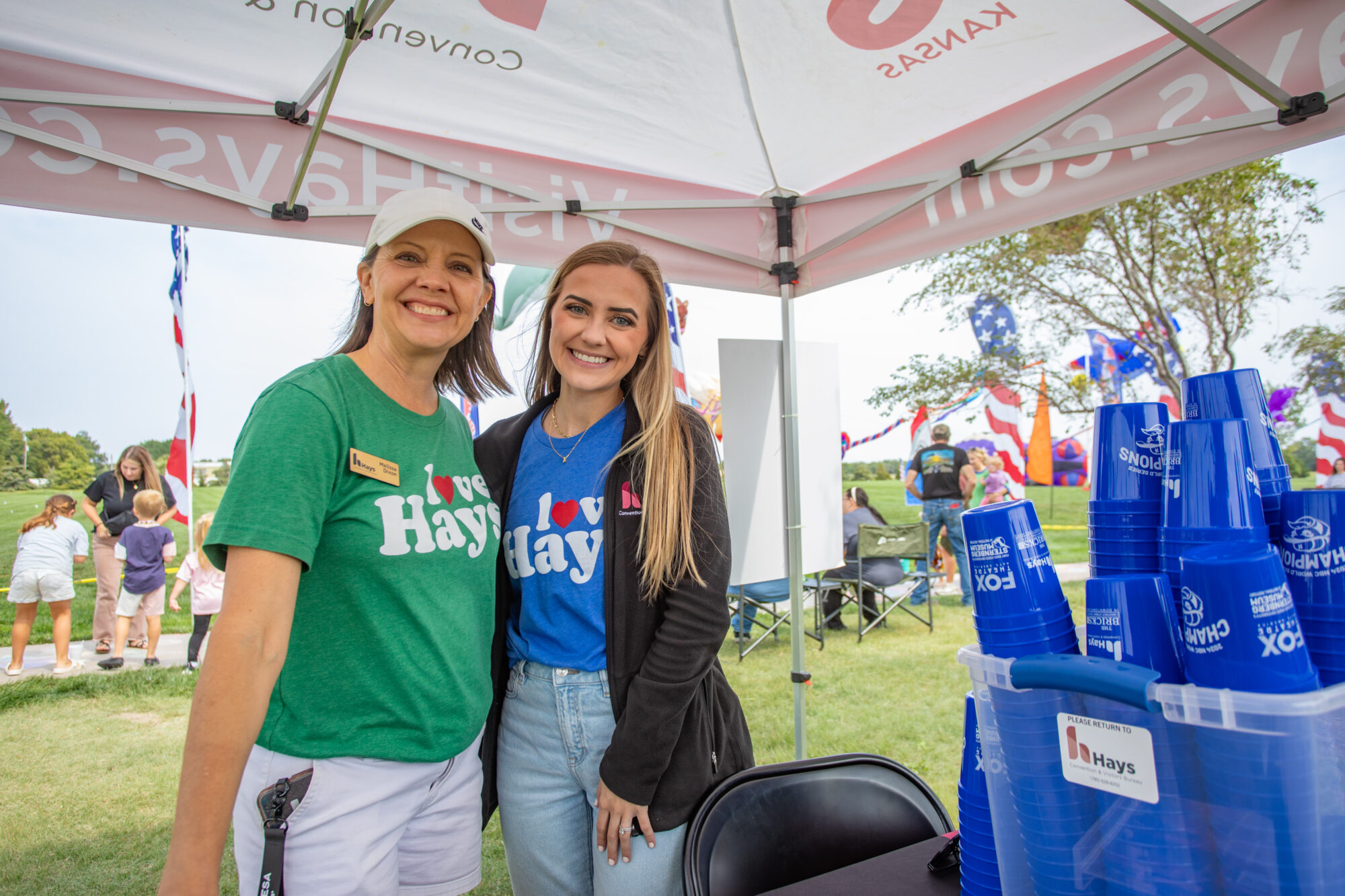
Melissa Dixon, now the executive director of the Hays Convention and Visitors Bureau, moved to town when her husband was hired by the university 11 years ago. At first, she was worried there wouldn’t be a lot to do. She was quickly reassured.
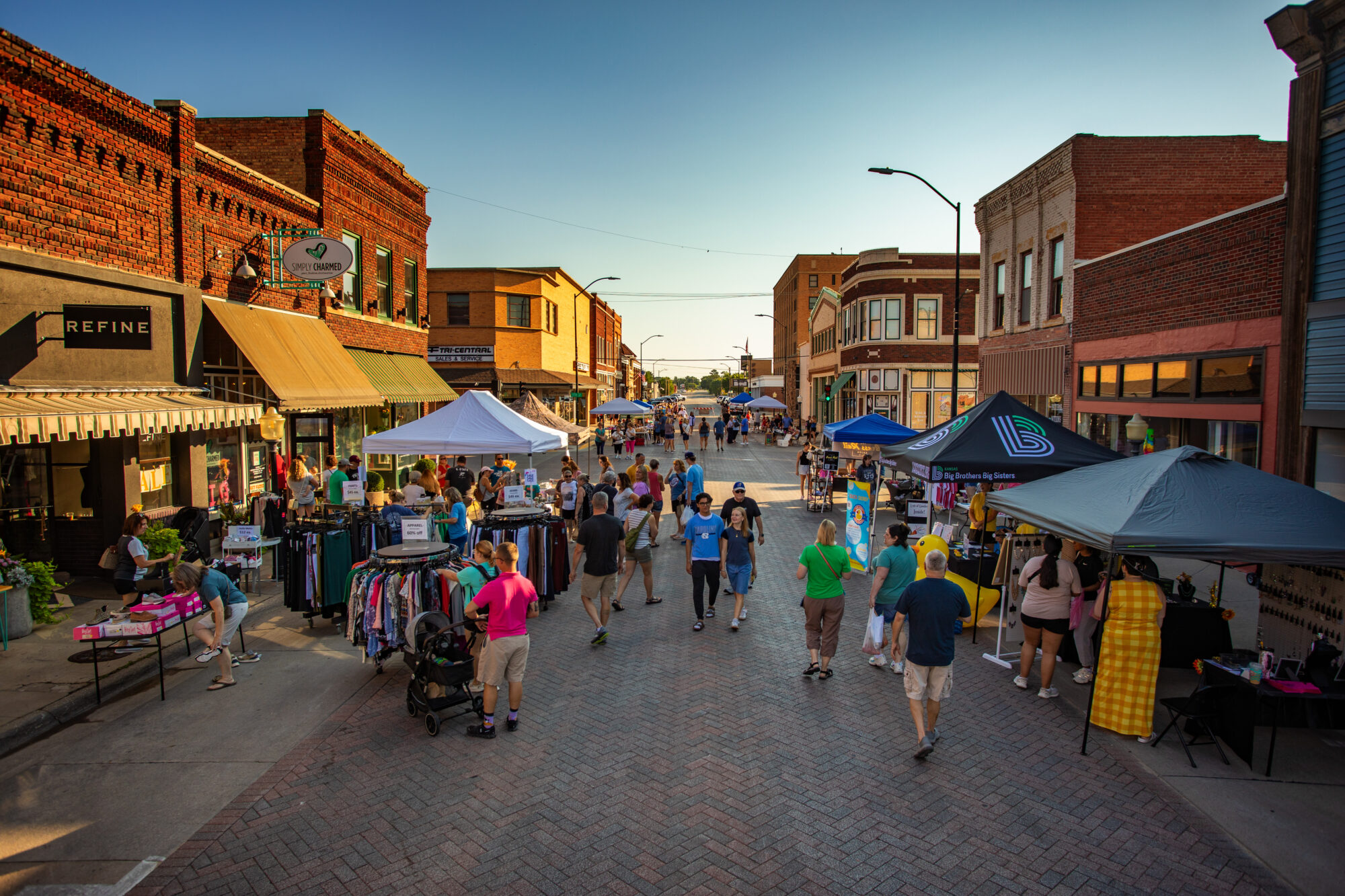
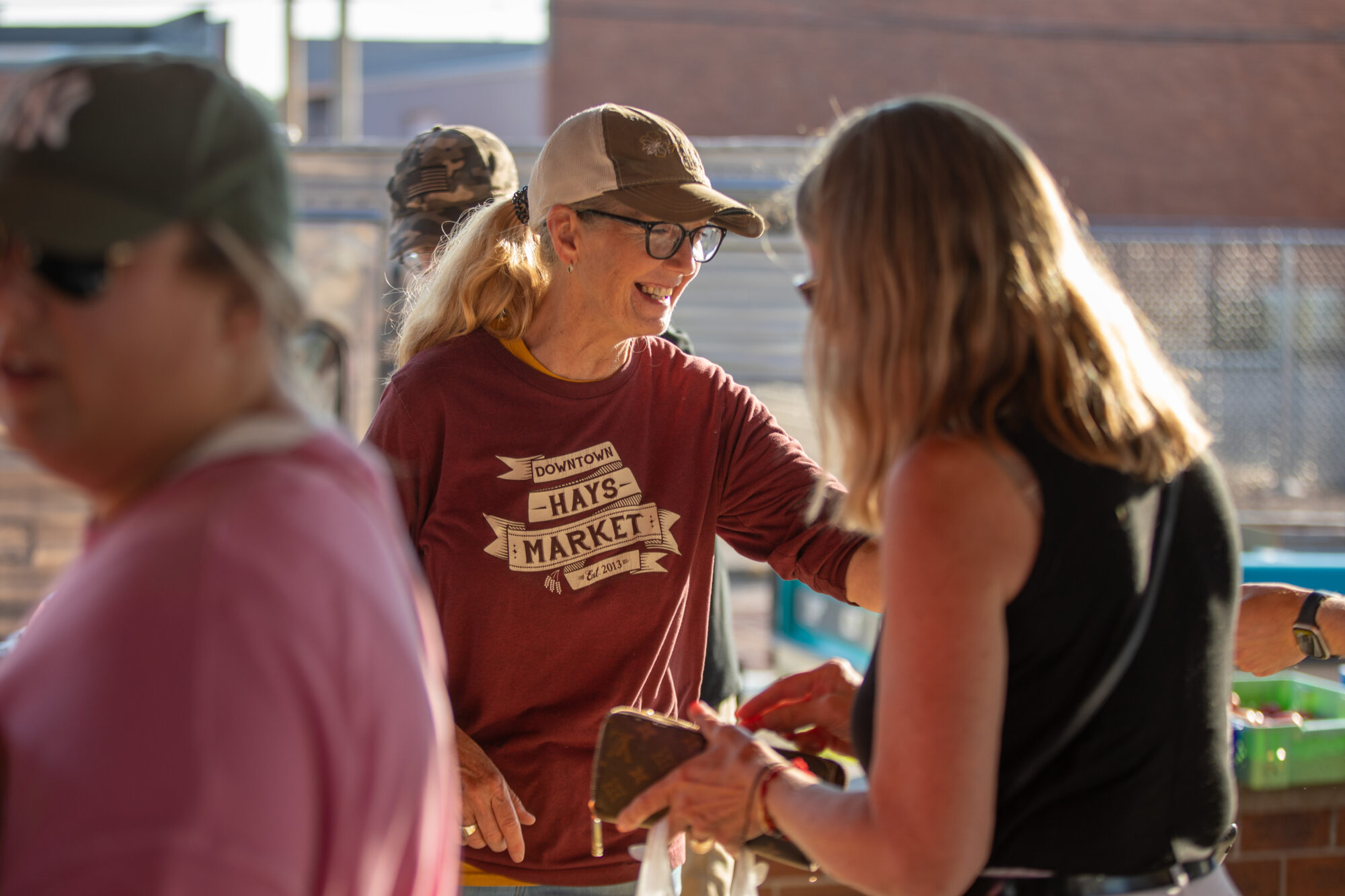
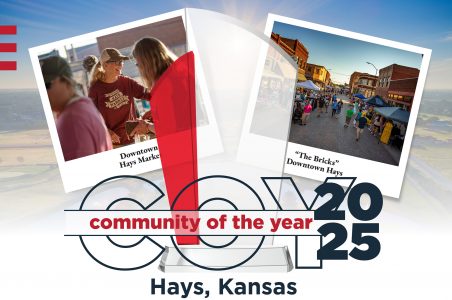
In particular, the downtown — once empty and blighted like so many traditional downtowns in the 1980s — had benefited from a significant revitalization effort. City leaders worked with a developer to renovate seven buildings, improve the streetscape, and, most recently, add a pavilion. That’s where the farmer’s market, symphony concerts, and holiday gatherings take place. Thanks to the state’s oldest arts council, Hays residents can also enjoy seasonal art walks downtown.
“It is really special. When the streets turn to brick, you know you’re downtown,” Ms. Dixon said. “It’s always full of people.”
Gathering spaces are plentiful in Hays. Last year, the city cut the ribbon on the Bob and Pat Schmidt Community Center, a multi-generational facility that includes a dedicated senior center and childcare. Funded through a mix of city and county grants, private donations, and support from the Kansas Children’s Cabinet and Trust Fund, the center reflects a community-wide investment in shared space.
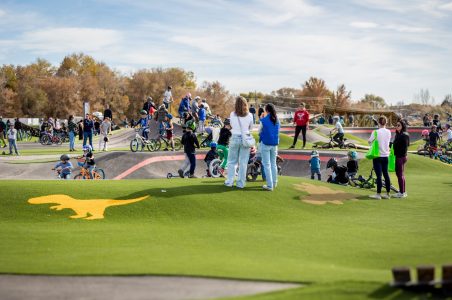
The family-friendly town also recently opened a $1 million park filled with specialized equipment for children with disabilities to its long roster of playgrounds and parks. There’s also the Bickle-Schmidt Sports Complex, which hosts local sports groups and regional tournaments throughout the year.
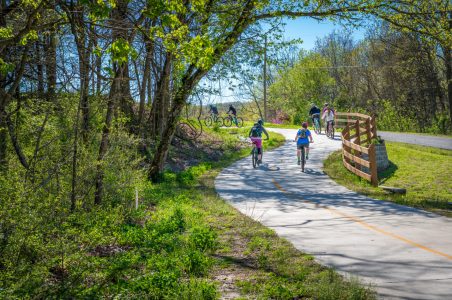
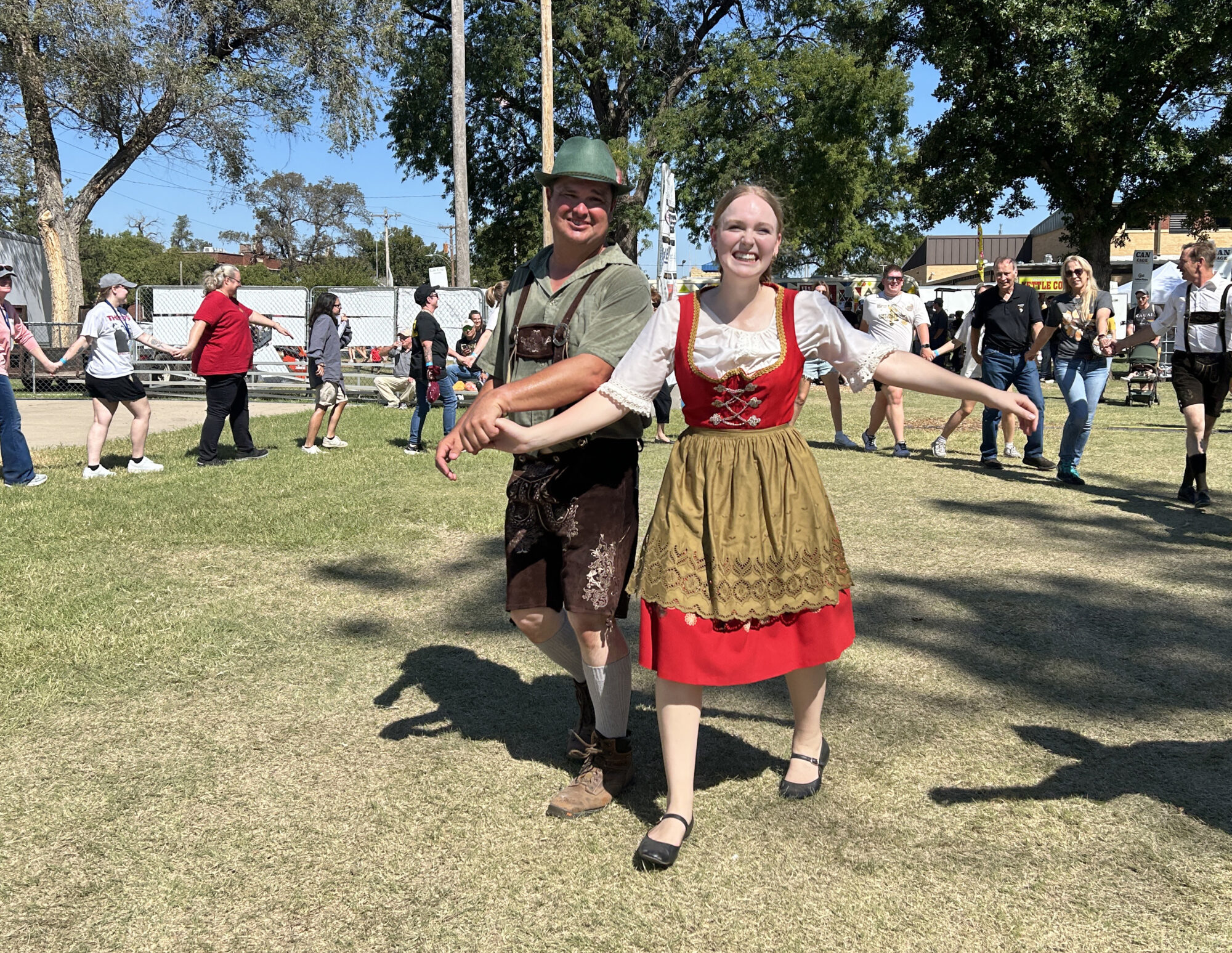
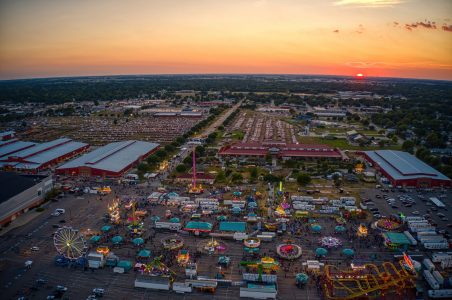
And then there are all the events. The Oktoberfest downtown features polka music, plenty of beer, and Volga German cultural foods like bierocks (yeast rolls stuffed with seasoned ground beef and cabbage) and spitzbuben (buttery cookies filled with fruit jelly). The kite festival and the bicycle tour of the local, historic chapels are favorites of Ms. Dixon and her family.
“We have so many free and affordable things to do here,” she explained. “We’re always looking to help people make great memories in Hays.”
Focus on Infrastructure
Of course, all the events and holiday lights are worthless if the city doesn’t run effectively. That’s what really makes Hays shine: For more than 20 years, city officials have focused on investing in infrastructure. Those investments have all paid off.
“The city went through some relatively lean financial years. My predecessor started cleaning things up, and we continued that momentum, investing in parks and quality of life, streets, water, and sewer infrastructure,” explained Toby Dougherty, the city manager since 2007.
With savings from sales tax revenues, they’ve been actively upgrading the 130 miles of streets, 120 miles of water and sewer lines, and 1,500 manholes. A revenue bond helped fund a new, $40 million wastewater treatment facility.
They’re also in the final phases of constructing a 70-mile water line to bring potable water into Hays from an area of the state with a more reliable aquifer. The project has been held up in legal battles, but next year, they hope to start the $140 million project to increase their available water by 5,000 acre-feet a year. In the meantime, they’re focused on water conservation efforts.
“Water is an issue in Hays,” Mr. Dougherty said. “When we get in a decadal drought, think of the 1930s Dust Bowl – no matter how well we use the water, it won’t last.”
And yet, Hays residents are known for coming together to find solutions. Mayor Jacobs highlighted an initiative about eight years ago called “Strategic Doing.” In the event, around 300 people from all sectors brainstormed ways to improve the community.
“You cannot do one thing and throw it out. You have to stay with it so it can be sustainable,” she explained.
Future Growth for Hays
Like in so many places in the nation, Hays is also struggling with housing. Doug Williams, a Hays native and executive director of Grow Hays, said regional economic development depends on having adequate housing.
“We are trying to expand the housing stock, working with developers to promote housing,” Mr. Williams said. “You can’t recruit 120 people to a community if they don’t have somewhere to live.”
That’s exactly what he’s recently done. A company called Agiliti, which manufactures medical equipment, was considering leaving Hays. Instead, they worked on an incentive package for the abatement of property taxes and benefits for employment guarantees. The company kept its 130 employees and pledged to bring in another 120 to 150.
Grow Hays partnered with a not-for-profit developer to build an additional 66 houses, many of which are price-capped, over the next few years. All the houses have sold, and there are another 50 people on the waiting list.
Meanwhile, Fort Hays State University has enrolled around 3,800 students on campus and offers online classes for an additional 6,500.
For younger students, there’s a new, $143 million high school funded by a school bond passed by the voters three years ago. There is a new football field, culinary arts classes in a commercial kitchen, and even a jewelry-making lab.
“The high school solidified knowing that we made the right move when we decided to move here,” Ms. Dixon said. “Both of my kids are there, and it’s gorgeous. It feels like they really are home.”
And for times when Hays residents want to get away? No problem: Hays Regional Airport offers two direct flights a day to Denver, which is an international hub. City leaders hired a consultant to encourage competitive prices, free parking, and short lines.
Mayor Jacobs, who was recently reelected for another four-year term, said her favorite thing about her community is her neighbors. She has early memories of being a little girl visiting downtown with her aunt, who stopped on every corner to say hello.
“Everything we did was gathering, collaborating, and community. That’s how I live,” she said. “You want to make sure you’re a welcoming community. This is home.”