Malls. If you were around in the late 1900s, you remember fondly the first time you smelled a Cinnabon store, got your ear pierced at Claire’s, and sat in a massage chair at the Sharper Image store to unwind. Possibly all in the same day. But now that you’ve grown up, you realize that malls have become just as old and unhip as you(sorry).
But some malls across the country are reinventing themselves to appeal to new trends and interests. Whether they are buying convertibles (rooftop bars), drastically changing their style (adding some art/fun murals), or getting a divorce (goodbye Auntie Anne’s, I miss you and I still love you). Below are five examples of malls that have aged gracefully and found ways to bring life back to the places that brought us all so much joy in the past.
Crosstown Concourse- Memphis, Tennessee
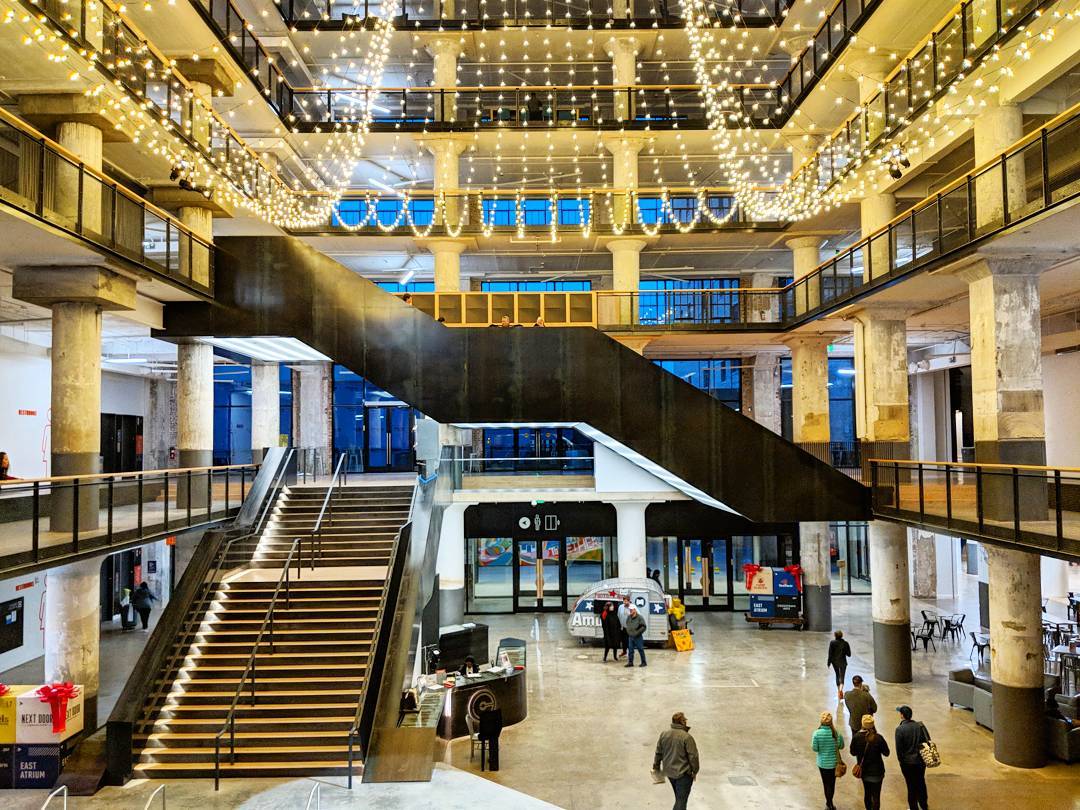
Memphis had an old Sears building, which was built in 1927, with 1.5 million square feet of retail space that had been empty since 1993. Starting in 2015, a diverse group of Memphis investors—including 30 different funding sources ranging from non-profits, healthcare partners, education partners, and the City of Memphis—started a two-year, $200 million renovation project to transform the space into Crosstown Concourse.
Described as a “vertical urban village”, it is as though someone took a chunk of downtown Memphis and stacked it on top of itself. It has apartments, a high school, a YMCA, health clinics, art galleries, and even a craft brewery, because of course it does. Crosstown Concourse is living proof that a community can rally together and transform an eyesore into an icon.
The makeover involved removing 500,000 sq. ft. to add to and restore the 10-story atrium and bring in plenty of natural light. The rest of the 1 million sq. ft. was split to accommodate 600,000 sq. ft. of commercial space and 400,000 sq. ft. of residential space. Today, the mixed-use complex features 269 apartments, six retail shops, 14 restaurants, eight medical institutions, an artist-residency program and exhibition space, and a boutique hotel. It just goes to show that even the oldest buildings can be brought back to life with the right planning and care.
Image credit: Eric Allix Rogers
Arcade Providence- Providence, Rhode Island
Back in 1828, if you wanted to experience the cutting edge of consumerism, you headed to Providence, Rhode Island, for the grand opening of America’s first indoor shopping mall: the Westminster Arcade. Cyrus Butler had a vision. But everybody’s vision needs to be reviewed and refreshed now and then.
So, instead of letting this architectural gem fade into obscurity, the people of Providence got creative. They took those sprawling retail spaces and shrunk ’em down, turning the upper floors into 48 micro-apartments. What they lack in square footage, they make up for with efficient layouts, sleek designs, and a surprising amount of natural light streaming in from their iconic skylight.
The Arcade didn’t completely abandon its retail roots, though. The ground floor still houses a collection of local shops and eateries, creating a unique blend of residents and visitors mingling in a space that feels both historic and modern at the same time. It’s a living, breathing example of how to reimagine a landmark for a new generation, trading in the endless search for parking spots for the simple pleasure of walking downstairs for lunch or a cup of coffee.
Image Source: Timothy Burling
Columbus Commons- Columbus, Ohio
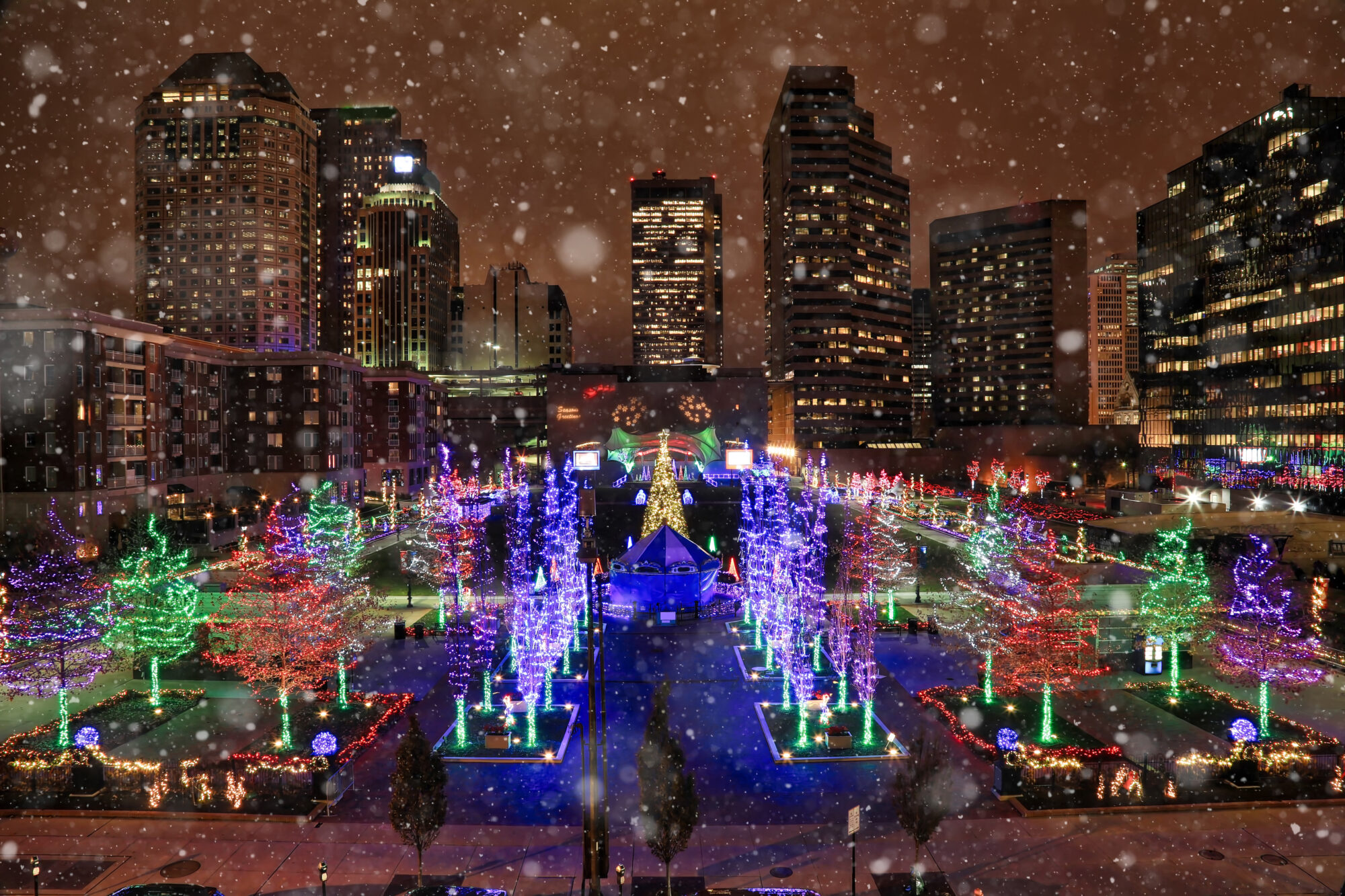
Remember the City Center Mall? Yeah, me neither. But according to my research, it existed. And then it didn’t. In a bold move that would make Marie Kondo proud, Columbus decided to declutter its downtown area and transform the site of a struggling mall into something far more useful: a six-acre urban park called Columbus Commons. Now this does spark joy.
This isn’t just a patch of grass with a few benches, though. It’s a 6-acre park with gardens, a performance stage, a carousel, and a calendar bursting with community events. You can catch a free concert under the stars, take a morning yoga class surrounded by flowers, or even ride a disco-themed carousel that plays all the greatest hits from the ’70s. Because some things we just can’t let go of. And that’s okay.
Columbus Commons has breathed new life into the surrounding area, attracting new apartments, offices, and restaurants. It’s become a true community hub, proving that sometimes, the best way to revitalize a city is to ditch the retail space and embrace the great outdoors. Who needs a food court when you can have a full-blown festival?
Image Source: Adobe Stock
Rhythm & Rally Sports & Events- Macon, Georgia
The most exercise you’ve probably gotten at the mall was the little run you did in a Foot Locker when you tried on new shoes. But now, thanks to Rhythm & Rally Sports & Events, you can actually work up a sweat. A former Belk department store has been transformed into the world’s largest indoor pickleball facility, complete with 32 climate-controlled courts ready for dinking, driving, and a little friendly trash talk.
Rhythm & Rally has become a community hub, hosting tournaments, camps, and events that bring people together, whether they’re seasoned pickle pros or fresh cucumbers new to the sport. For just $5, you can join other players for open play from 8 a.m. to 3 p.m. Turns out, a little competition and camaraderie can be way more appealing than another trip to the candle store.
Macon’s gamble on pickleball has paid off big time, turning a retail relic into a regional hotspot. Forget about Black Friday brawls; now it’s all about pickleball rallies. And who knows, maybe this is just the beginning. With enough imagination, even the most outdated mall can find new life as a place where people connect, compete, and—most importantly—have a little fun.
Image Source: Rhythm & Rally Sports & Events
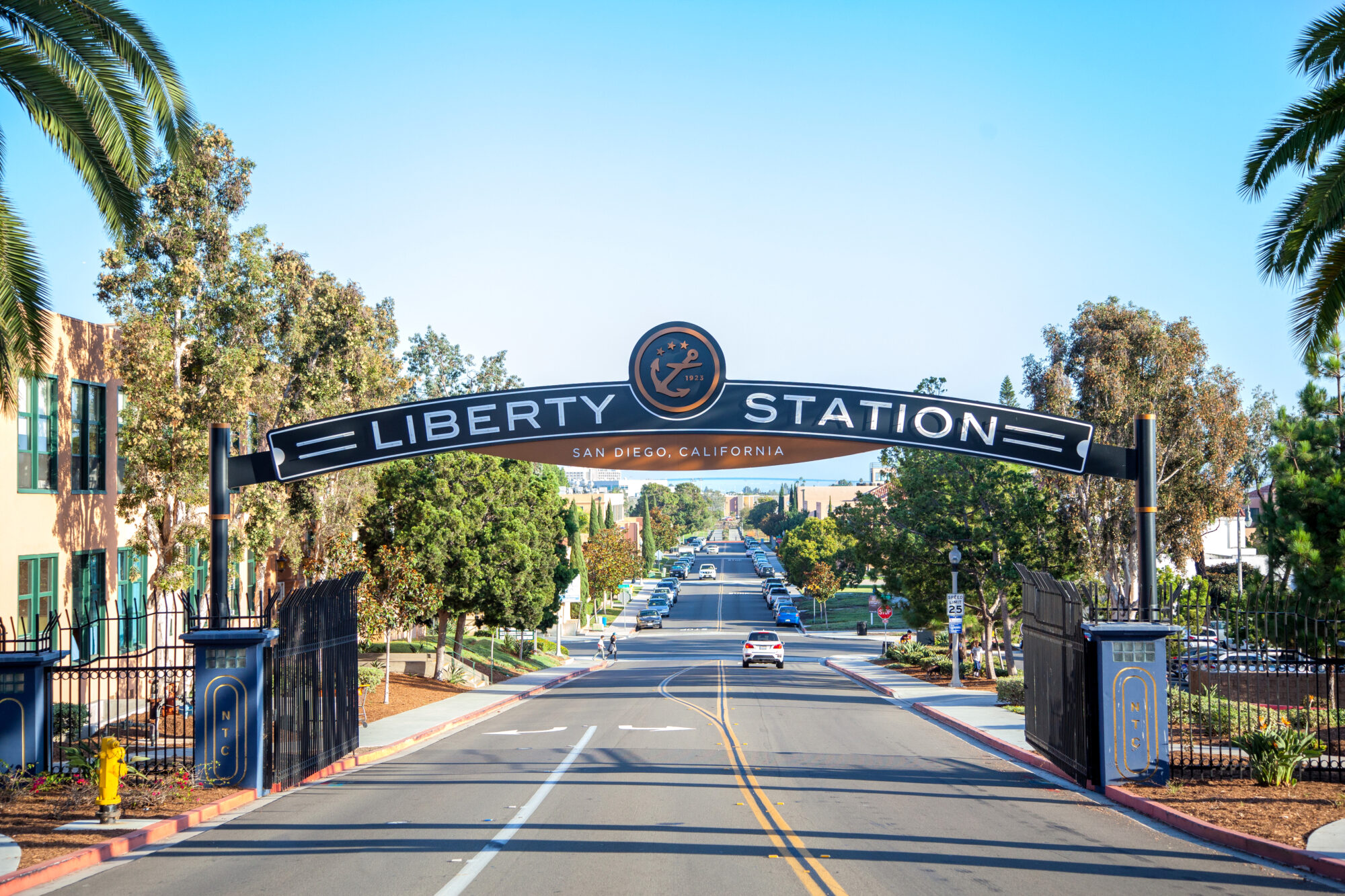
Liberty Station- San Diego, California
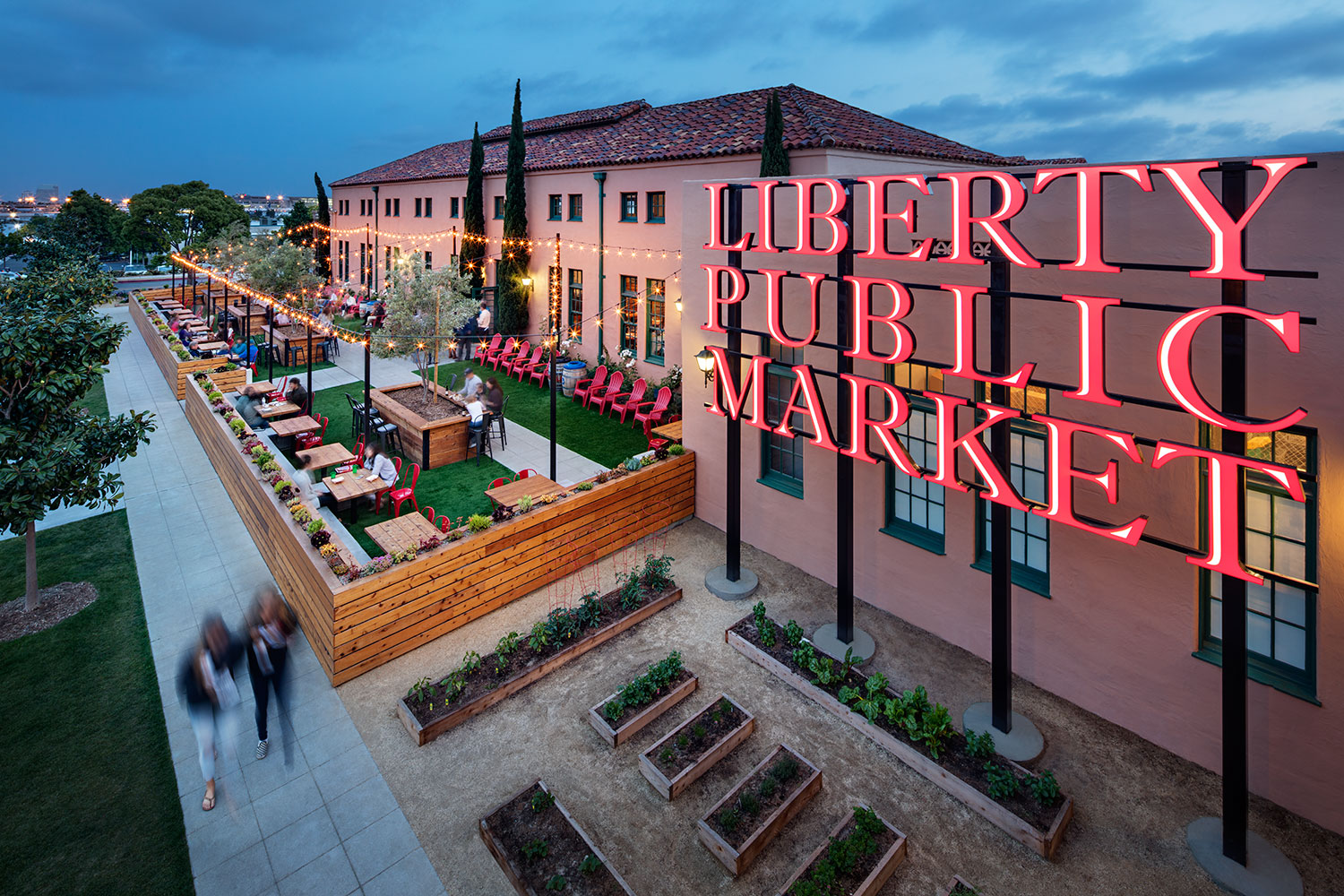
Okay, this one isn’t a mall that got turned into something else, it’s more of a something else that turned into a cool modern mall, but whatever. It’s still cool. Once upon a time, Liberty Station in San Diego was home to thousands of Navy recruits, learning the ropes (literally and figuratively) before they set sail. Now, it’s a vibrant arts and culture district that’s drawing locals and tourists alike. So, what happened?
Well, the Navy packed up and moved out, leaving behind a collection of beautiful Spanish Colonial Revival buildings. Instead of tearing them down and building condos (as some developers desired), the city decided to transform the area into a mixed-use destination with art galleries, breweries, restaurants, and public spaces.
Now, you can stroll through the grounds, admiring the historic architecture while sipping a craft beer, taking a dance class, or browsing the works of local artists. Or all the above. It’s definitely more fun than the boot camps it was once home to. Liberty Station traded in military precision for creative expression and offers a unique blend of history, culture, and community that’s hard to find anywhere else. Next time you are in San Diego, forget the beach. Liberty Station is calling your name.
Image Source: Zack Benson
The Takeaway
These malls (and a naval training center) prove that with a little imagination, any space can become a community magnet. So next time you see a “For Lease” sign and a giant parking lot, dream big: Could this be tomorrow’s skatepark-school hybrid? Or a rooftop cocktail bar? The possibilities are endless… and they can provide a more beautiful backdrop to look at while in line at Auntie Anne’s. Take everything you want away from malls, but please leave me at least one Auntie Anne’s location. I will beg if I need to.
Image Source RSM Design for Environmental Graphic Design and Placemaking and Allison Richter Photography
*This article is featured in Issue 8 of our digital publication. If you would like the full experience, you can read the enhanced version HERE