
Image credit: Tampa Bay Sports Commission
By

Cities that host the country’s biggest, most boisterous, and most watched events make it look so easy. Fans arrive, the stadium or arena lights up, and everything seems to fall neatly into place. But anyone who works in municipal operations knows the real work happens long before the gates open.
Whether it’s WrestleMania, Formula 1, the FIFA World Cup matches, or the NCAA Women’s Final Four, these cities consistently demonstrate how to welcome tens of thousands of visitors while keeping daily life moving for residents. Their approaches offer a practical blueprint for communities of any size.
Big events usually enter a city’s planning pipeline months or years before they arrive. Tampa is known for getting everyone around the same table early: law enforcement, fire rescue, transportation, public works, emergency management, and venue operators.
“It starts with an RFP… then going out to our venue partners, host institution partners, our city, our county — everyone who needs to sign off. You must get all the people on board first to make sure we can do what’s being asked,” explains Tampa Bay Sports Commission Senior Vice President of Events Claire Lessinger, who was instrumental in coordinating the city’s hosting of events such as the NCAA Women’s Final Four and Super Bowl LV.
Dallas takes a similar approach, but with a regional lens. Major events ripple across Dallas, Fort Worth, Arlington, and a cavernous airport system, underscoring the need for alignment.
As Dallas Sports Commission Executive Director Monica Paul — a driving force behind Dallas being selected as a Host City for the FIFA World Cup 2026™ — explains, “Collaboration is everything. In North Texas, we work across 133 cities, large and small, and every jurisdiction has a role. You can’t deliver an event of this scale unless everyone shares the same vision from the start.”
Dallas also builds specialized teams for mega-events like the World Cup. “We built an entirely new team — each person is an expert in their area. Some had never worked on a major event before, but the bid process gave them a foundation. Now it’s all about execution,” says Paul.
Keeping people safe is always the top priority. Tampa uses layered security zones, drone monitoring, and real-time intelligence tools to maintain situational awareness.
“We bring all key decision makers to the table early … There’s a lot of proactive planning for safety and security,” says Lessinger.
Dallas approaches safety with a regional, multi-agency command structure. “Security is the number one thing that keeps people up at night,” Paul says. “The world has changed — keeping athletes, teams, fans, and residents safe is our top priority.”
Dallas has been meeting with expert planning teams for two years, working within a framework developed in coordination with the White House. “All 16 host cities meet weekly with the White House task force. It’s powerful to have federal, state, and local agencies aligned on safety and security,” Paul adds.
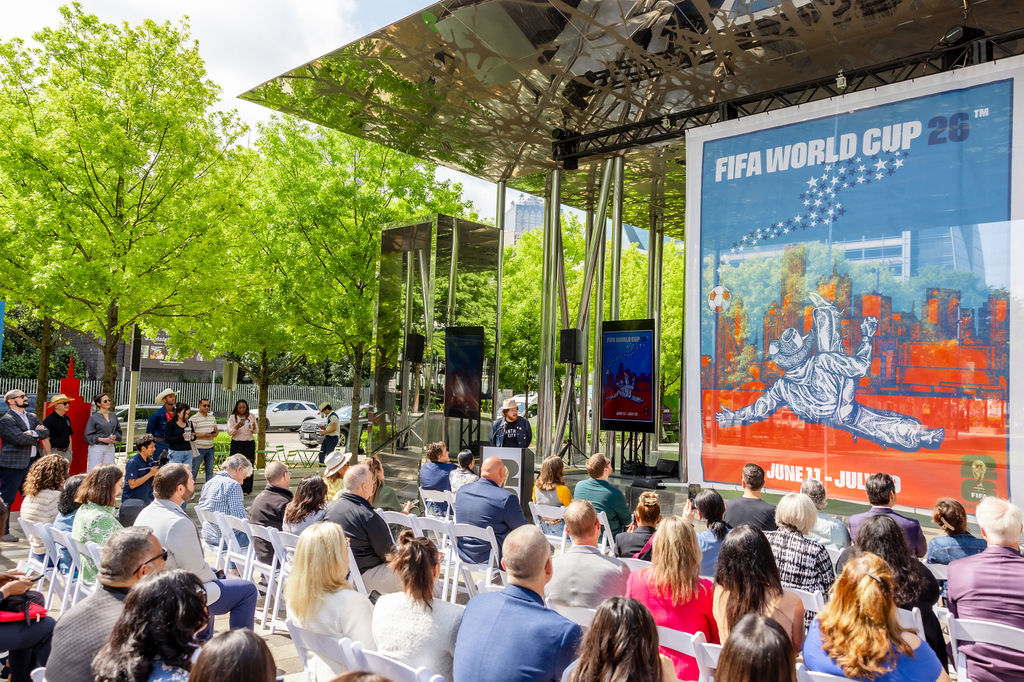
Image credit: North Texas FWC Organizing Committee
If transportation breaks down, the entire event experience suffers. Dallas relies on Dallas Area Rapid Transit rail, park-and-ride hubs, and temporary shuttle systems around AT&T Stadium. “One of our responsibilities is transporting ticket holders to the match,” Paul explains. “We don’t have a rail line to Arlington, so we’re creating a central rail-to-bus system. That requires deep analysis of arrival patterns, fan behavior, and how different fanbases travel.”
“The Last Mile is critical. Streets that are normally open may be closed. Shuttle systems, bus bridges, rideshare zones — it all has to be carefully mapped. We’re coordinating with the Texas Department of Transportation and every city to avoid conflicts with major construction and keep movement as smooth as possible.”
Tampa, which also doesn’t have an extensive public transportation footprint, relies on signal timing shifts to help prioritize traffic flows, dynamic message boards, extended streetcar service, and rideshare corridors.
According to Lessinger, “Once the footprint falls into place … we create a transportation and parking plan. We encourage fans to use the free streetcar from Ybor City (Tampa’s historic district) to downtown to relieve pressure.” With larger events, the city aims to ‘over-communicate and educate attendees to think differently from a typical [Tampa Bay] Lightning game,’ she adds.
Tampa’s hotels coordinate block reservations citywide to prevent shortages. “Hotel planning for big events in Tampa starts very early,” explains Lessinger.
“We’re fortunate to have amazing hotel partners here,” she adds. “We help by creating leads and connecting hotel GMs with the event organizer. As we get closer to the event, teams, headquarters, and media are locked up and designated.”
“We then shift to fan housing, something we promote on our site. We understand the remaining inventory in the community and help push and promote where fans can land via our host site, showing proximity, price points, flags, and star levels, allowing us to create a strong customer service experience for fans,” she explains.
Regarding World Cup preparations in Dallas, Paul says, “We have more than 130,000 hotel rooms in the region, with more being built right now. Add in Airbnb, and short-term rentals, and capacity is strong, because we’re hosting the International Broadcast Center, some groups will be here for months, so we’re also planning long-term stay logistics.”
Strong resident communication is one of the biggest predictors of event-day success. Tampa uses neighborhood-specific text alerts, apps, and social posts to give locals clear expectations about closures, crowd sizes, and transit changes.
Dallas releases event-day guides mapping everything from road closures to shuttle access. Region-wide digital message boards also help keep drivers informed in real time.
“Not everyone sees the planning that leads up to these events … Communication is a big part. We constantly communicate so people understand where to park, entry protocols, clear bag policy — all of it,” says Lessinger.
Constant communication builds trust. When people feel informed, they’re more likely to support and celebrate major events rather than dread the disruption.
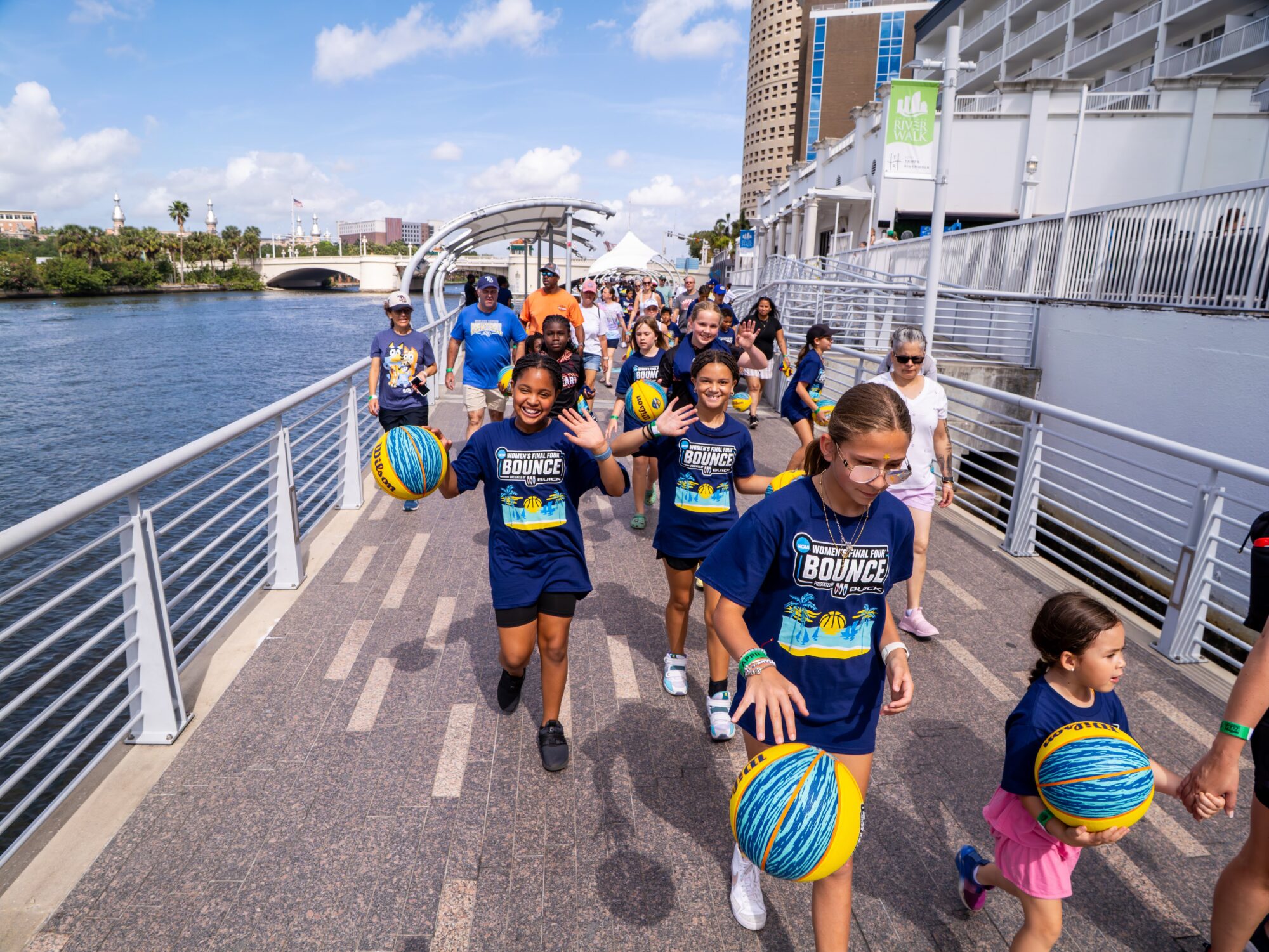
Image credit: Tampa Bay Sports Commission
No matter the size of your community or the scale of the event, the fundamentals stay the same:
As Paul puts it, “Whether you’re a big city or a small one, the sooner you start talking and aligning vision, the better. Half the work is getting everyone on the same page from the very beginning.”
Dallas and Tampa show that excellence isn’t luck — it’s structure, partnership, and a shared commitment to creating extraordinary experiences for visitors while respecting the people who call the city home.
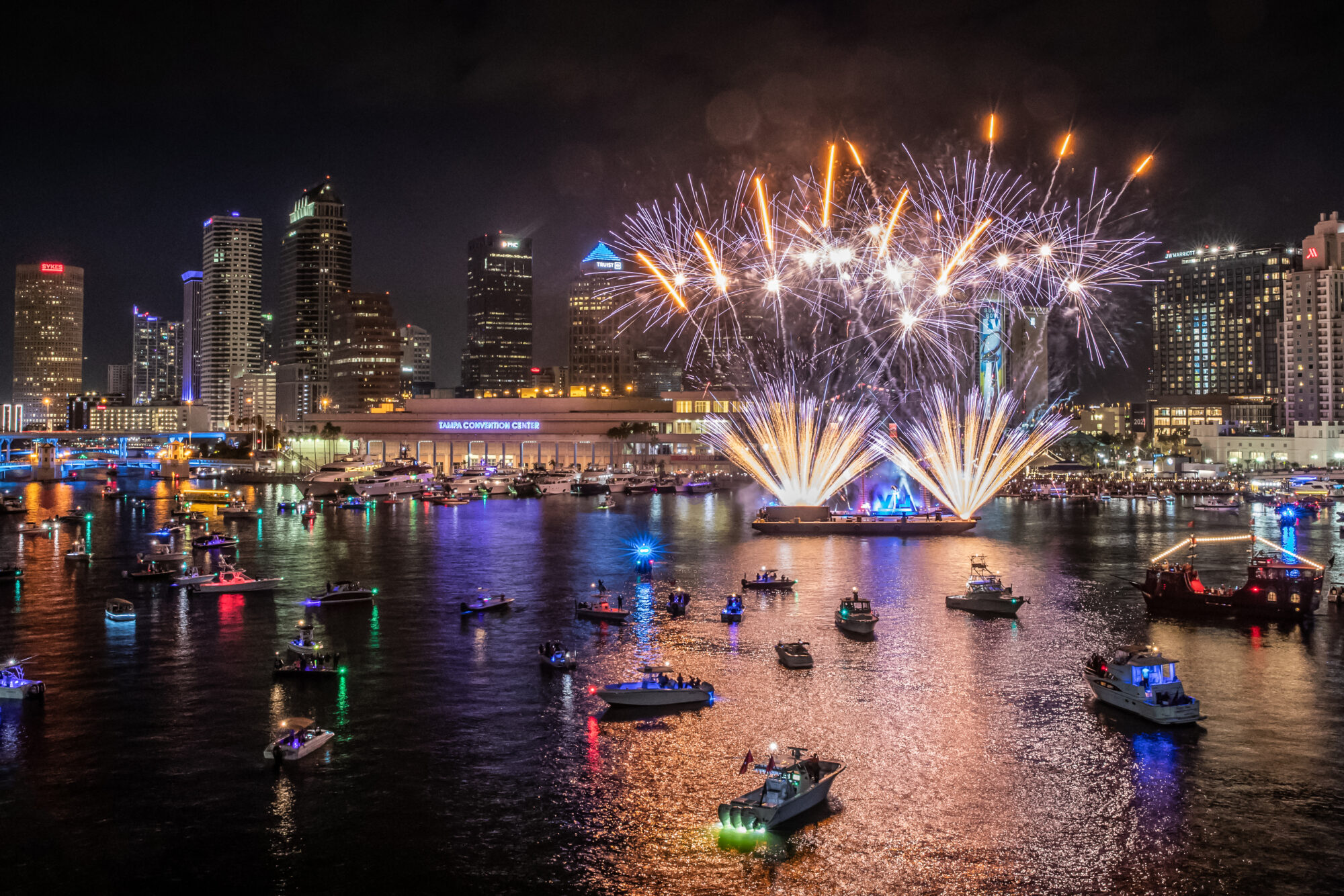
Image credit: Tampa Bay Sports Commission